Unici Metodi Strumenti
Unici Metodi Strumenti are packed with essential nutrients and offer numerous health benefits. It also helps protect the environment. Sustainable methods focus on simple ingredients and practices that nourish your skin and reduce pollution. If you want healthier skin and a healthier planet, it’s time to see how gentle, sustainable routines can make a difference.
Understanding Natural and Sustainable Skin Care
This section explains what sustainable skin care truly means and why it should matter to anyone who cares about their skin and the environment. Sustainable skin care isn’t just a trend; it’s a way of caring for yourself that reduces harm and supports overall health, starting with what we put on our skin.
The Impact of Conventional Skin Care Products
Many mainstream skin care products contain ingredients that do more harm than good. While they promise glowing skin, they often hide hidden dangers, not just for your health but for the environment as well.
Products filled with chemicals like parabens, sulfates, and phthalates may cause irritation or allergies. Over time, these ingredients can disrupt your skin’s natural balance and even get absorbed into your body. That’s not the only concern. These chemicals also pollute water systems and contribute to environmental damage. When we wash off these products, they often end up in rivers and lakes, impacting wildlife.
Certain ingredients should be avoided at all costs. For example:
- Parabens: Linked to hormone disruption and potential cancer risks.
- Sulfates: Cause dryness and irritation, stripping away skin’s natural oils.
- Phthalates: Harmful chemicals found in fragrances, connected to reproductive issues.
- Microbeads: Tiny plastic particles that pollute oceans and hurt marine life.
Using products with these chemicals might seem harmless, but they build up over time. They leach into water supplies and become part of a cycle that damages ecosystems and can even compromise your skin’s health.
What Makes Skin Care Sustainable
Sustainable skin care focuses on what’s best for both your skin and the planet. It revolves around a few key principles.
First, ingredients matter. Products should contain natural, plant based components that work in harmony with your skin, not against it. These ingredients need to be responsibly sourced, avoiding practices that harm the environment or exploit communities.
Second, eco friendly packaging plays a big role. Using biodegradable, recyclable, or reusable containers reduces waste and pollution. No more piling up plastic bottles in landfills or oceans.
Third, cruelty free testing indicates a product wasn’t tested on animals, advocating for kindness and ethical treatment. This commitment shows respect for life and supports sustainable values.
Trustworthy brands are transparent about their sourcing, manufacturing processes, and ingredients. Knowledge about what’s inside each product lets you make informed choices that align with your values.
In a nutshell, sustainable skin care is about choosing products that:
- Are made with biodegradability in mind.
- Use ingredients from responsible sources.
- Abide by cruelty free practices.
- Pack products in eco friendly materials.
- Share their process openly and honestly.
By picking brands that prioritize transparency, you support a healthier planet while taking better care of your skin. Sustainable skin care isn’t just good for you it’s a statement of respect for the environment and all living beings.
Natural Ingredients for Healthy Skin
Using natural ingredients for skin care has become more popular as people seek gentler, eco friendly options. These ingredients are packed with nutrients that nourish, protect, and restore your skin. They come from plants and botanicals that have been used for centuries. These natural elements do more than just soothe skin they support long term health and beauty while respecting the environment.
Plant Based Oils and Extracts
When it comes to caring for your skin in a sustainable way, plant based oils are gold. They are rich in antioxidants, vitamins, and essential fatty acids. These nutrients help keep your skin soft, balanced, and glowing without clogging pores or damaging the environment.
Some of the most popular oils include:
- Jojoba Oil: Closely resembles the skin’s natural oil. It helps regulate oil production, moisturizes without feeling greasy, and promotes a clear complexion. Jojoba is also sustainable because it requires little water and grows easily in arid climates.
- Argan Oil: Known as “liquid gold,” argan oil is full of vitamin E and fatty acids. It hydrates dry skin, reduces inflammation, and offers antioxidant protection. Argan trees are often harvested responsibly, supporting local communities in Morocco.
- Rosehip Oil: Derived from the seeds of wild rose bushes, this oil is packed with vitamin C and lycopene. It helps fade scars, even out skin tone, and boost radiance. Because rosehip is harvested from wild plants, it is a sustainable source when managed responsibly.
These oils do more than hydrate. They form a barrier on your skin that locks in moisture while fighting free radicals. Plus, their eco friendly sourcing supports fair practices and reduces environmental footprint.
Healing Herbs and Botanicals
Nature offers a treasure chest of herbs that soothe inflammation and promote healing. These botanicals are gentle enough for sensitive skin but powerful enough to make a real difference over time.
Aloe Vera stands out as a true skin healer. Its jelly like leaves soothe burns, calm irritation, and provide deep hydration. Aloe contains enzymes and antioxidants that speed up healing and reduce redness. Its sustainability is tied to simple cultivation methods that do not harm plants or ecosystems.
Chamomile has been used for centuries to quiet inflamed skin. Its anti inflammatory properties help calm redness and irritation. Chamomile is gentle, making it ideal for sensitive skin or conditions like eczema. It’s often harvested sustainably from wild or garden grown plants.
Turmeric takes a different route. Known for its bright yellow hue and earthy aroma, turmeric contains curcumin, a compound with potent antioxidant and anti inflammatory effects. It helps reduce acne inflammation, fade dark spots, and brighten dull skin. When grown organically, turmeric is a renewable resource that supports soil health and local farming.
These herbs offer more than immediate comfort. They support the skin’s natural ability to repair itself and fight off environmental stressors.
Incorporating these natural ingredients into your skincare routine supports both your skin health and the planet’s well being. They are safe, effective, and come from sources that respect the earth. Using plant oils and botanicals proves that beauty doesn’t have to come at the expense of the environment. It can be a celebration of nature’s resilience and generosity.
Eco Friendly Practices and Lifestyle Choices
Living sustainably isn’t just about the products you use. It’s about creating habits that support your skin’s health and protect the environment every day. Small, mindful changes add up, making your skincare routine a part of a broader lifestyle of care and respect for nature. Here’s how to make simple yet effective eco friendly choices in your daily life.
Reducing Exposure to Toxins and Pollutants
We encounter pollutants all day, whether through the air we breathe, the water we drink, or the surfaces we touch. These invisible enemies can damage your skin over time, leading to premature aging, breakouts, or sensitivity.
One of the best ways to protect yourself is by paying attention to air quality. Keep windows open when pollution levels are low and use air purifiers in spaces where you spend a lot of time. Consider wearing a mask during heavy smog days if you’re in a city with high pollution levels. When outdoors, avoid peak traffic hours and areas with heavy vehicle exhaust.
Your daily habits matter too.
- Wash your face twice a day with gentle, natural cleansers to remove dirt, oil, and pollutants.
- Use antioxidant rich serums preserved in dark bottles to help defend your skin against environmental stressors.
- Switch to mineral based sunscreens that shield without adding harmful chemicals to your skin or the environment.
- Be mindful of what you wear and the surfaces you touch. Opt for natural fabrics and non toxic household cleaners to reduce the buildup of chemical residues.
These habits create a barrier between your skin and pollutants, lowering the risk of damage. They also extend to your broader environment: by lowering the use of chemical products, you contribute less to water and air pollution.
Diet and Hydration for Skin Wellness
Your skin reflects what’s inside your body. What you eat and drink can turn dull, tired skin into a vibrant glow. Choose whole foods and stay hydrated not just for your health but for the wellbeing of your skin too.
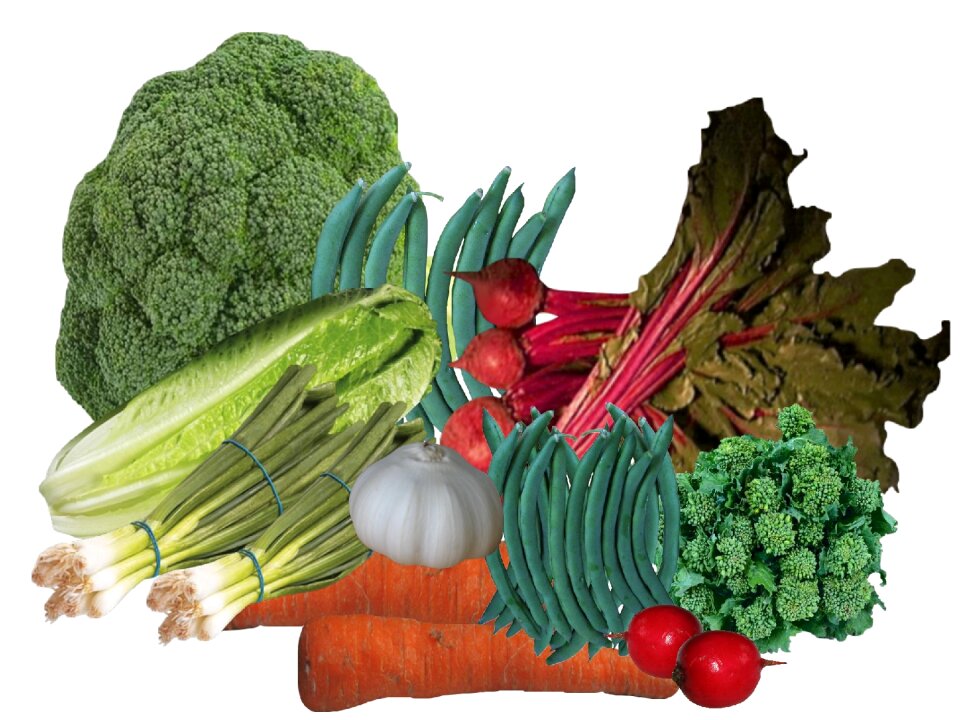
Eating more fresh vegetables, fruits, whole grains, and nuts supplies your skin with the nutrients it needs. These foods are packed with antioxidants that fight off damage from free radicals. Colors matter: vibrant berries, leafy greens, and orange carrots contribute more than just color they boost your skin’s brightness and resilience.
Staying hydrated is equally important. Water acts like a natural cleanser, flushing out toxins and keeping your skin plump and soft. Carry a reusable water bottle and sip regularly throughout the day. If plain water isn’t your favorite, infuse it with slices of lemon, cucumber, or herbs to make it more appealing and add extra antioxidants.
Here are simple tips to support skin health with your daily routine:
- Include a variety of colorful fruits and vegetables in your meals.
- Replace processed snacks with nuts, seeds, or dried fruit.
- Drink at least eight glasses of water a day, more if you’re active or in hot weather.
- Cut back on sugar and heavily processed foods that can cause inflammation and breakouts.
- Enjoy herbal teas like chamomile or green tea, rich in antioxidants that soothe skin and reduce inflammation.
Eating clean and drinking enough water may seem basic, but these choices create a foundation for radiant skin. They also minimize waste and reduce the environmental impact of highly processed foods and packaging. Healthier eating habits support your glow and help keep our planet healthier.
Creating a Sustainable Skin Care Routine
Building a skincare routine that’s both effective and gentle on the planet requires mindful choices and simple daily habits. The goal is to care for your skin deeply without leaving a heavy footprint. Starting with the right products and ending with consistent practices can transform your approach into a new standard of wellness one that respects nature while giving your skin exactly what it needs.
Choosing the Right Products
Selecting skincare products that are sustainable means more than just picking natural ingredients. It’s about paying attention to how products are made, packaged, and tested. Look for brands that prioritize transparency and ethical practices.
When shopping, take a few moments to read labels carefully. Avoid products loaded with synthetic chemicals and harmful additives. Instead, focus on ingredients you recognize like plant oils, herbs, and mineral based actives. A good rule of thumb: if you can’t pronounce an ingredient or if it sounds unfamiliar, it may be better to leave it on the shelf.
Pay attention to packaging too. opt for products in recyclable glass, metal, or biodegradable containers. Refill stations and bulk options are excellent ways to cut down on waste. Reuse packaging whenever possible.
Key tips for choosing products:
- Find brands that are cruelty free and avoid animal testing.
- Choose products labeled as biodegradable or eco friendly.
- Read reviews to confirm the brand’s commitment to sustainability.
- Avoid synthetic fragrances, parabens, sulfates, and microbeads.
- Support companies that source ingredients responsibly and fairly.
Making these thoughtful choices often means doing a bit of homework but results in products that are made with care for your skin and the planet.
Daily Practices for Skin Maintenance
A sustainable skincare routine isn’t complicated. It’s about establishing habits that keep your skin healthy and support the environment. With consistency, these practices become second nature and can turn your daily routine into a mindful act of self care.
Start with simple cleansing. Use a gentle, natural cleanser that respects your skin’s pH and removes dirt without stripping moisture. Cleansing twice a day morning and night keeps your skin clear and prepared for nourishment. Follow up with a lightweight moisturizer suited for your skin type. Look for natural oils or creams in eco friendly packaging to hydrate and balance your skin naturally.
Sun protection is essential. Choose mineral based sunscreens made with zinc oxide or titanium dioxide. These protect your skin from harmful UV rays without damaging the environment. Applying sunscreen every day helps prevent premature aging and skin damage without polluting waterways.
Other daily habits include:
- Avoid excess touching or picking at your skin.
- Pat or gently massage your skincare products into your face.
- Use cooler water for rinsing to prevent unnecessary dryness.
- Incorporate a light, natural serum or facial oil for added nourishment if needed.
- Keep your routine minimal but effective, focusing on quality over quantity.
Sustainable skin care is about respecting your skin’s natural rhythms. It’s gentle, consistent, and rooted in understanding what your skin truly needs. By adopting these habits, you create a cycle of care that supports your skin’s health and minimizes harm to the environment, one small step at a time.
Final Thoughts on Sustainable Skin Care
Choosing sustainable methods for your skin isn’t just a trend it’s a way to care for yourself and the Earth at the same time. Every small step you take, from picking natural ingredients to reducing waste, adds up. These choices aren’t about instant results but about building habits that grow healthier over time.
The benefits are clear. Your skin receives gentle, effective care without the harsh chemicals that can cause irritation or damage. At the same time, you help reduce pollution and preserve natural resources. It’s a win win that aligns with a mindset of kindness and respect for all life.
Think of your routine as a way to nurture yourself while nurturing the planet. Simple acts like using eco friendly packaging, supporting honest brands, and eating good food make a big difference. Each choice echoes a message that we value health and sustainability equally.
Remember, lasting change doesn’t mean overhauling everything overnight. Small, mindful steps keep your routine sustainable and realistic. Over time, these habits become second nature. Your skin improves, and so does the environment around you.
Making conscious decisions today creates a positive ripple effect. You not only enjoy healthier skin but also contribute to a cleaner, greener world. It’s about making smarter choices that last, shaping a future where beauty and sustainability go hand in hand.