Unici Idee Il corpo
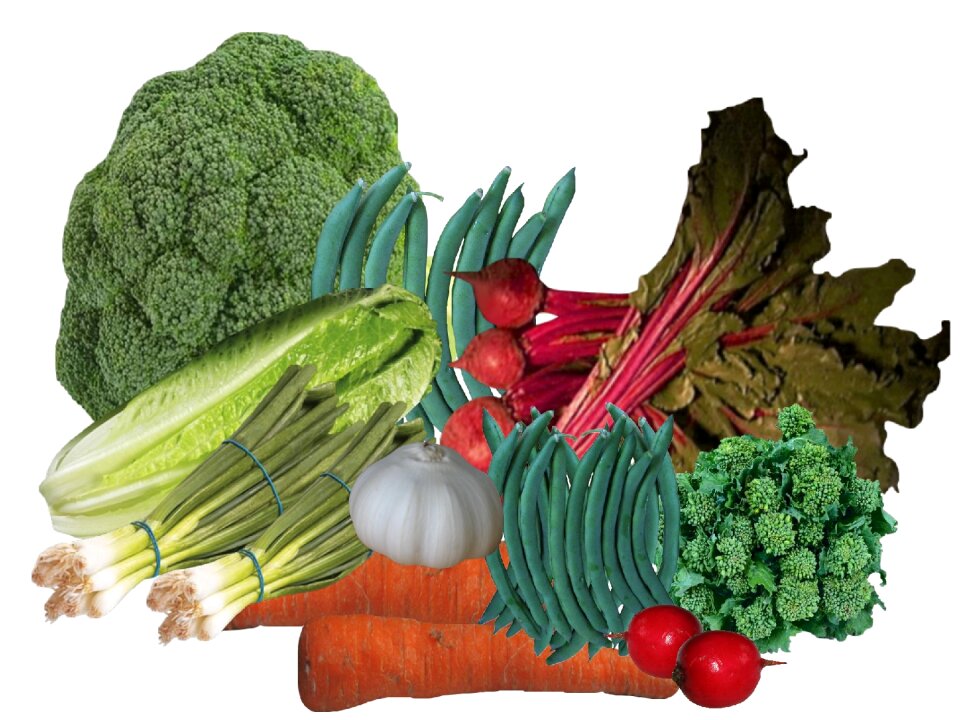
Unici Idee Il corpo are packed with essential nutrients and offer numerous health benefits. It’s about recognizing how we see ourselves and what we believe about our bodies. These ideas shape our confidence, habits, and how we express ourselves daily.
explore how body awareness connects to personal beliefs. It’s a journey of discovering new ways to see and feel your body. By learning to listen and understand yourself better, you can unlock deeper self awareness.
This isn’t about looking perfect or fitting a mold. It’s about finding your unique way of thinking and feeling about your body. That understanding can lead to a more authentic and confident you.
The Power of Body Awareness in Personal Identity
Your body is more than just a shell; it holds clues about your inner world. When you understand what your body is telling you, you gain a clearer picture of who you are. Body awareness acts like a mirror, reflecting your emotional states and shaping your sense of self. This connection can influence your confidence, your mood, and your overall mental well being. The more you tune into these signals, the easier it becomes to see yourself honestly and accept who you really are.
Physical Sensations as a Reflection of Inner State
Every feeling in your body offers a glimpse into your emotional landscape. Tension in your shoulders when stress levels rise shows how your body reacts to pressure. Feeling warmth in your chest when you’re loved creates a gentle reminder of connection. These sensations act like physical signals that reveal what’s happening inside.
For example, if you notice yourself clenching your jaw during a difficult conversation, it’s a sign of frustration or discomfort. Recognizing this can help you pause and understand your true feelings. Similarly, noticing a relaxed posture when you feel safe or happy confirms a sense of ease. Pay attention to these small details. They’re vital cues that help you understand your emotional state without words.
By listening closely, you can better manage your feelings. When you identify tension or stress early, you have the chance to breathe deeper or stretch. When warmth and calmness arise, you can acknowledge your happiness. These bodily signals remind you that your feelings are an essential part of your identity.
Key takeaway: Your body speaks to you constantly. Learning to listen turns physical sensations into tools for self awareness and emotional health.
Movement and Body Language as Self Expression
Your body moves in a language that everyone understands, even without words. Body language can quickly reveal your mood, confidence, and personality. Simple gestures such as standing tall or slouching show how you feel inside. When you’re open and relaxed, your movements are natural, helping you feel more connected to yourself.
Moving intentionally can also change how you see yourself. Small practices like standing with shoulders back or taking slow, deliberate steps can boost your confidence. Dancing, stretching, or even walking mindfully makes you more aware of how your body feels in the moment. These actions create a positive feedback loop. Moving your body in ways that feel good deepens your connection to your emotions and helps you express your true self.
When you pay attention to your posture or gestures, you reveal parts of yourself that words might not fully capture. Over time, this awareness shapes how you present yourself to others. It also influences how you see yourself each day, fostering a stronger sense of identity rooted in your body.
Simple ways to move more consciously:
- Take five minutes each day to stand or sit with your back straight.
- Practice slow, mindful movements during breaks.
- Use gentle stretches to connect with your body’s feeling states.
- Notice how your mood affects your movement patterns, and vice versa.
Body language isn’t just for others; it’s a way to deepen your understanding of who you are inside. When you move with intention, you create a stronger bond between your mind and body. This connection is the foundation for a more authentic self.
Cultural and Personal Ideas About the Body
Our beliefs about the body are shaped by more than just personal experiences. They are deeply rooted in cultural norms and societal influences. These ideas influence how we see ourselves and how we judge others. They also affect our relationship with our bodies, whether in acceptance or criticism. Understanding these layers gives insight into why people feel confident or insecure about their appearance and what they value most.
Cultural Perspectives on Beauty and Body Image
Different cultures have distinct ideas of what makes a body beautiful. These ideas often reflect broader values, history, and social practices. In some societies, slenderness symbolizes discipline and beauty. In others, curves are celebrated as signs of health and fertility. Cultural standards set the bar for what’s considered attractive and influence how individuals see themselves.
For example, in Western cultures, media often present an ideal of slim, toned bodies as the standard of beauty. This can create pressure to conform, sometimes leading to negative self image or unhealthy habits. Countries in Africa, like the Kayan people, prize elongated necks, wearing rings as a form of beauty that promotes cultural pride.
Different cultures also hold unique beliefs about body modification. Piercings, tattoos, scarification, or body painting might serve spiritual, social, or aesthetic purposes. These practices become ways of expressing identity and connecting to cultural roots.
Society’s views also shape dress, posture, grooming, and even how much skin is shown. These norms serve as invisible rules of beauty that influence the way people present themselves and judge others. In some places, modesty is valued above all, while in others, bold self expression is encouraged.
Understanding these perspectives helps us see beauty as diverse, not fixed. It reminds us that standards are cultural constructs, not universal truths.
Personal Beliefs and Body Acceptance
Beyond cultural norms, individual beliefs play a big role in how we relate to our bodies. Personal experiences, values, and memories shape this relationship. For some, their body is a source of pride, strength, and identity. For others, it can be a battleground filled with criticism and doubt.
Personal beliefs about health, aging, and self worth influence how we view ourselves. Someone who values fitness and vitality might see their body as a tool to achieve goals. Yet, someone else may focus on flaws or perceived imperfections, giving those more importance than they deserve.
Struggles with body image often come from conflicts between personal ideals and societal messages. For example, feeling pressured to look a certain way can lead to dissatisfaction, even if outside voices praise your natural appearance. These internal battles are common and often require effort to heal.
Many people experience moments of triumph when they accept and appreciate their bodies. This could be after overcoming an illness, reaching a fitness milestone, or simply learning to love what they see in the mirror. These wins bring a sense of freedom and authenticity, encouraging us to nurture our bodies instead of criticize them.
Your body is a record of your journey. It holds stories of resilience, change, and growth. The way you think about your body influences every aspect of your health and happiness. When you shift focus from flaws to strengths, you open space for more confidence and self respect.
Key ideas to remember:
- Our attitudes toward the body are shaped by both cultural influences and inner beliefs.
- Embracing diversity in beauty can free us from harmful standards.
- Personal stories of acceptance are powerful steps toward genuine confidence.
By examining how society and personal values paint our ideas about the body, we can start to see ourselves more clearly. It’s about recognizing that beauty is wide and varied, and that our bodies deserve respect, regardless of cultural or personal expectations.
Practical Ways to Celebrate and Care for Your Body
Showing love for your body doesn’t have to be complicated or time consuming. Small, consistent actions can create a big difference in how you feel and how you see yourself. The key is to make these habits part of your routine so they become natural ways to honor your body daily.
Daily Practices for Body Appreciation
Start each day with simple activities that shift your focus to your body’s needs and strengths. These moments don’t need to take long but can set a positive tone for the entire day.
- Practice mindful breathing. Pause for a few deep breaths. Focus on the sensation of air filling your lungs and then leaving your body. It grounds you and reinforces the connection between mind and body.
- Stretch gently. Spend a minute or two stretching in ways that feel good. Focus on relaxing tight muscles, especially after waking or sitting for long periods.
- Use positive affirmations. Every day, look in the mirror and tell yourself something kind. Phrases like “My body is strong,” or “I am worthy just as I am,” remind you to appreciate what you have.
- Move with intention. Choose activities like walking, dancing, or yoga. Focus on how each movement feels and how your body reacts. It turns exercise into a form of gratitude rather than a chore.
- Listen to your body’s signals. Notice when you’re hungry, tired, or need to move. Respond with simple acts of self care like eating nourishing food, resting, or stretching.
Implementing these small routines keeps your body in focus and helps foster a mindset of appreciation over criticism.
Creating a Body Positive Environment
The spaces we inhabit influence how we view ourselves. Designing environments that support comfort and acceptance makes caring for your body easier and more natural.
- Wear comfortable clothing. Choose clothes that fit well, allow movement, and make you feel good. Avoid tight or restrictive garments that may cause discomfort or reinforce negative feelings.
- Surround yourself with supportive people. Spend time with others who celebrate body diversity and promote positive self image. Their words and actions can uplift your confidence.
- Create a calming space. Set aside a corner in your home filled with things that make you feel relaxed. This might include soft lighting, cozy blankets, or calming scents.
- Limit exposure to unrealistic images. Be selective about the media you consume. Curate social feeds to include body positive messages and diverse representations of beauty.
- Practice routine self care. Develop habits like nourishing your skin, choosing nourishing foods, or enjoying a warm bath. These rituals remind you that caring for your body is a form of love.
- Connect with nature. Spending time outdoors can ground you and boost body positivity. Feel the sun, listen to the sounds around you, and realize your body is part of the world around you.
By consciously designing spaces and routines that promote comfort and acceptance, you reinforce a healthy relationship with your body. These environments become a backdrop for celebrating your body’s uniqueness every day.
The Future of Body Ideas and Personal Growth
Our relationship with the body is always changing. As we grow, our thoughts about what our bodies mean shift too. Instead of seeing the body as a fixed idea, think of it as an ongoing project. Every day offers a chance to learn more about yourself and redefine your connection to your body. Moving forward, the key is staying open to change and trusting that growth is part of the journey.
Embracing Change Through Mindfulness and Reflection
As you become more aware of your body, you’ll notice that feelings about it change over time. Sometimes, you might love how strong you feel. Other days, you might notice places where you want improvement. That’s natural. The quiet act of reflection helps you see these shifts clearly.
Taking time regularly to pause and breathe helps you stay connected to your inner world. When you sit quietly and focus on your body, you begin to recognize new feelings. You might find yourself more accepting of small changes or imperfections. This process isn’t about fixing something; it’s about noticing where you are now.
Practicing mindfulness creates space for new ideas about your body. It allows you to see it not as an object in need of fixing, but as a part of your daily experience. Reflection helps you understand that feelings about your body are not static. They ebb and flow, like waves. As you observe without judgment, you become more confident in your ability to adapt and grow.
By making reflection a habit, you invite change without fear. The more comfortable you become with your evolving self, the easier it becomes to accept new feelings about your body. Growth isn’t about reaching a perfect state it’s about continuing to learn and accept who you are at each moment.
Sharing Your Body Story to Inspire Others
Every person has a unique story about their body. Sharing that story can be a way to connect with others and reinforce your own journey. When you open up about your experiences, you realize you are not alone. Many face struggles, setbacks, and moments of pride.
Sharing your story creates a ripple effect. It encourages others to also speak honestly about their bodies. This honesty helps break the silence around body image issues and creates stronger communities rooted in acceptance.
Your story can be simple. It might be about how you learned to love your scars or how you changed your habits to feel more comfortable. These stories remind others that growth is possible at any age or stage. They show that change begins with honesty and hope.
Telling your story isn’t about seeking approval. It’s about giving others permission to be open with their own experiences. When you share, you become part of a larger conversation about what bodies really mean. The stories we tell each other shape future ideas more realistic, accepting, and free from judgment.
Think about the impact this can have. Your honesty can inspire someone feeling stuck or alone. It can help them see their body as a source of strength rather than shame. When you share authentically, you strengthen connections and fuel collective growth. Your body story is a piece of a bigger picture one that reminds us all of our capacity to change and grow.
Your relationship with your body is a lifelong process, one that constantly changes and deepens. Every feeling, movement, and thought reveals more about who you are. Recognizing your body as a place of ongoing creation allows you to discover new aspects of yourself each day.
Loving your body means accepting its imperfections and celebrating its strengths. It’s about understanding that your physical self is the foundation for your confidence and happiness. The journey isn’t about reaching a perfect state but about growing more comfortable with who you are right now.
Keep in mind, your body holds the stories of your life. Every scar, line, and strength tells a part of your story. Sharing that story creates connection and understanding. It helps others see their bodies as more than they seem.
Be gentle with yourself. Trust that the more you learn what your body needs and values, the easier it becomes to care for it naturally. Your body is a space of endless possibility and renewal.
Thank you for reading. Your body is your greatest ally treat it as a work of art that is constantly being shaped and redefined. Keep exploring. Keep loving.