Tradizionali Strumenti Trucchi
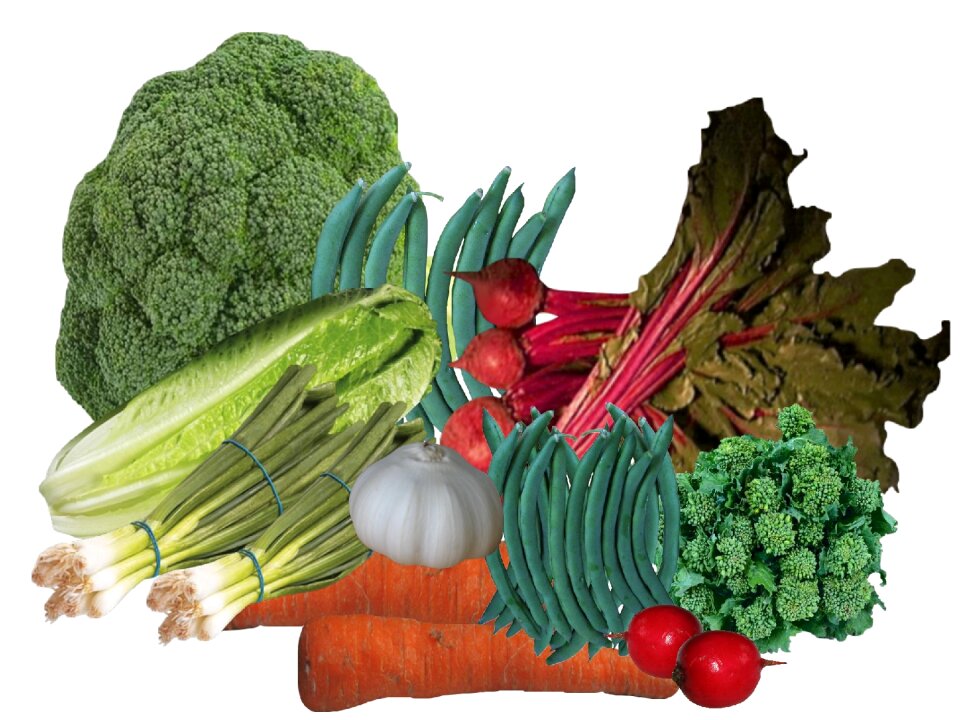
Tradizionali Strumenti Trucchi are packed with essential nutrients and offer numerous health benefits. They are more than simple objects they carry stories of generations. These tools reveal how people once worked, cooked, and lived every day. Understanding their use shows how culture and craft are deeply connected. They shaped local trades and inspired creativity that still influences Italian life today.
Historical Roots of Traditional Italian Tools
Italy’s history with tools tells stories that stretch back thousands of years. From ancient civilizations to the Renaissance, these tools reflect the daily lives and skills of those who came before us. They show a clear evolution, adapting to new needs while keeping regional traditions alive. Each region forged its own tools based on local resources, climates, and trades. Over time, these objects became part of Italy’s cultural identity, connecting past craftsmanship with today’s ideas of tradition.
Tools of the Past: Farming and Craftsmanship
In early Italy, farming tools were simple but sturdy, designed for durability over aesthetics. Farmers used hoes, sickles, and plows carved from hard woods. The handles were often shaped by hand, fitting comfortably in the grip. These tools helped communities grow crops, support families, and survive in tough desert and mountain terrains.
Woodworking tools tell a similar story. Craftsmen relied on hand saws, chisels, and spoke shaves, made from iron and wood. These tools were carefully crafted, often passed down from generation to generation. They weren’t just implements they were extensions of the blacksmith’s skill. Each region specialized in certain techniques. For example, Chairmakers in Lombardy developed fine carving tools, while in Naples, tools used for marquetry became renowned across Italy.
Pottery tools have their roots in ancient times, too. Potters used simple clay blades and paddles shaped from wood. These handmade items varied from region to region, each style reflecting local traditions. Their twirling wheels, crafted from wood and clay, could be turned by foot or hand. These early tools laid the groundwork for Italy’s rich ceramic history, especially in regions like Tuscany and Sicily.
Every tool served a purpose, but they also represented more than just work. They reflected regional differences like how southern Italy’s tools suited its warmer climate and coastal trades, while northern tools adapted for colder weather and mountain crafts.
The Role of Folk Tricks in Daily Life
Long before modern gadgets, people used their brains and simple tricks to solve everyday problems. These household hacks often involved reinventing ordinary objects or using materials in smarter ways. For generations, families passed down clever routines that saved time and effort.
Basic mechanical tricks were common like using a piece of wood to fix a broken chair or a simple pulley system to lift heavy loads. These tricks depended on understanding the properties of familiar objects. For example, farmers knew how to tweak harnesses to improve their plowing. In towns, potters used old pottery shards to secure cracks or gaps in their work.
Everyday routines went beyond repairs. For instance, many households had special methods for preserving food or keeping it fresh longer, like wrapping cheese with natural leaves or using salt to cure meats. Some tricks involved clever household routines, such as folding laundry with last minute touches that saved time or using vinegar and lemon for cleaning instead of harsh chemicals.
These tricks evolved from resourcefulness born out of necessity. They show how Italians made the most of limited resources and designed solutions rooted in experience. Even in modern times, these traditional shortcuts remind us of the importance of practical knowledge passed through generations, shaping Italian life in both subtle and meaningful ways.
Popular Traditional Tools Across Regions
Italy’s regional history shines through in its tools, each telling a story about local life and craft. These objects were shaped by the environment, economy, and culture of their land. Their designs reflect centuries of skill passed down through families, shaped by the needs of farmers, artisans, and fishermen. Here’s a closer look at some of the most recognizable tools from Tuscany and Sicily, two regions with rich, distinct traditions.
Tuscany’s Wooden Handcrafted Tools
Tuscany is famous for its artistry, but it also has a deep history of functional tools made from wood and iron. Many of these tools are still made by hand, embodying craftsmanship that has lasted for generations. For carpenters and farmers, the region offers a variety of wooden implements.
Carpentry tools from Tuscany include hand saws with curved blades, designed for precision cuts. Craftsmen also used wooden mallets, skillfully carved from dense woods like cherry or oak, which made shaping wood easier. These tools aren’t just functional they are works of art, often decorated with carvings that tell stories about local life.
Farming tools such as hoes, sickles, and carts are built tough for the hills and plains. The handles are carved from local hardwoods, shaped for comfort. Tuscan farmers take pride in their tools, keeping them in good condition and passing them down as family heirlooms.
Cooking tools also showcase regional pride. Wooden spoons, rolling pins, and mashers are carved with intricate patterns, reflecting the importance of food in Tuscan culture. These implements are often made from olive wood, known for its durability and beauty.
Every tool in Tuscany tells a story of skill, patience, and regional pride. They symbolize a way of life rooted in tradition and pride in craftsmanship.
Sicilian Tools for Agriculture and Fishing
Sicily’s landscape and coastline shape its tools. Its farmers and fishermen created devices that last long and work hard. These tools are built for durability and designed with simple, yet efficient, features.
In vineyards and olive groves, Sicilian farmers use a variety of specialized tools. A common sight is the cureta, a curved sickle like knife used for pruning and harvesting grapes and olives. Its blade is made of hardened steel, curved to help with scooping and cutting. This tool’s sturdy handle is often crafted from seasoned oak, designed for long hours in the sun.
Fishermen in Sicily depend on tools like lazze, long, wooden paddles used to steer boats. Made from lightweight woods such as cedar or cypress, lazze are designed for strength but remain easy to handle. Sicily’s fishing boats are small but durable, crafted from heavy timber with tools like wooden hooks or moschetti fish spears used for catching catch by hand or with simple nets.
The region’s olive harvesting tools also stand out. Farmers use sfalciatrici, small sickles with tiny teeth that allow quick, clean cuts. These tools are often handmade, with iron blades and handles carved from local woods.
What makes Sicilian tools stand out is their ability to endure the harsh coastal climate. They are simple but effective, built from local materials that withstand exposure to salt, sun, and rough handling.
Both regions show how Italy’s history is written in the tools people used every day. Whether carved from wood in Tuscany or fashioned from strong steel in Sicily, these objects remain a vital part of their heritage and identity.
Modern Tricks Inspired by Tradition
The passing down of old tools and techniques continues to shape how we approach crafts, cooking, and DIY projects today. These ancient secrets still hold value, often hidden in simple methods that stand the test of time. When you see modern artisans or chefs using a trick learned from generations past, it’s proof that tradition isn’t just a history lesson. It’s a tool in its own right, helping us work smarter and often better.
Repurposed Tools in Contemporary Crafts
Old tools aren’t just museum pieces collecting dust. Many are now repurposed to serve new needs sometimes in ways their creators never imagined. Take the wooden mallet, for example. Today, artisans use it not only for traditional woodworking but also to gently shape soft metals or even press ingredients in modern kitchens.
Similarly, the hand saw, a symbol of carpentry from centuries ago, is now employed by artists and DIY enthusiasts to cut delicate materials like foam or plastics. Its sharp edge and control make it perfect for precision cuts, outside the workshop. Crafters also use old chisels as small pry bars or for detailed carving in soap, wax, or even soft clay.
Old farm tools, like sickles, have found a new life in eco friendly gardens. Many people turn to historic sickle shapes to harvest herbs or cut flowers without damaging the plants. These tools maintain their purpose but are now part of a more sustainable, hands on style of gardening.
Fresh ideas extend to how these tools are decorated or customized. Modern craftsmen often add personal touches, such as etching patterns or bright colors, giving old objects a contemporary flair while still respecting their roots. The idea is simple: take what you already have and adapt it. It speeds up projects, saves money, and keeps old skills alive in new forms.
Cooking Tricks Passed Down Generations
Many traditional culinary tricks hide in plain sight but can make a big difference in your kitchen today. These methods are rooted in time tested practices that enhance flavors and improve preservation without fancy equipment.
For instance, rubbing salt into meat or fish is an age old trick. It draws out moisture and helps preserve food longer. This simple step can intensify flavors and make leftovers last. Sometimes, just wrapping cheese or bread with leaves or natural fabrics keeps them fresh for days. These natural covers breathe, letting air in while blocking contaminants.
Another trick involves using vinegar or lemon juice to brighten flavors. Adding a splash before serving can make a dish taste fresher. Chefs who follow old methods often swear by these ingredients for brightening sauces or balancing oils and fats.
In baking, many rely on traditional kneading techniques that develop gluten and improve texture. Some still use ancient stone mills for grinding flour, or prefer wooden paddles over modern mixers for certain doughs. These methods, once seen as slow or outdated, now offer control and flavor that machines sometimes can’t match.
Preserving seasonal abundance also has its roots in traditional tricks. Drying tomatoes in the sun, fermenting vegetables, or making olive oil from fresh fruit are practices handed down from generations. These methods capture the essence of a season, keeping flavors alive long after the harvest.
What makes these tricks valuable today is their simplicity and effectiveness. They remind us that sometimes the best solution isn’t to buy something new, but to go back and use what’s been around all along. These old secrets make everyday cooking easier, tastier, and more satisfying, turning ordinary ingredients into extraordinary dishes.
Workshops, Festivals, and Apprenticeships: Highlighting Events and Programs Dedicated to Teaching Traditional Skills and Tools
Across Italy, countless initiatives work hard to keep old crafts alive. Events like workshops, festivals, and apprenticeships serve as bridges between past and present. These gatherings don’t just teach techniques they revive a way of life that risks slipping away. They invite both locals and visitors to step into the shoes of those who shaped Italy’s proud traditions.
Festivals are lively celebrations that showcase regional skills. They often feature demonstrations of blacksmithing, pottery making, and weaving. Bright banners and lively music set the mood, as artisans share their work. Visitors can watch a craftsman shape a wooden spoon or ignite a forge, then try it themselves. These events turn history into hands on experiences anyone can enjoy.
Workshops offer a more intimate setting. Participants learn directly from artisans, often over a few days or even weeks. These sessions teach the finer points of tool making, woodworking, or traditional cooking. They foster a bond between generations, as older masters pass on knowledge to eager newcomers. For younger craftspeople, these workshops become a rite of passage part of their journey to preserve Italy’s rich craftsmanship.
Apprenticeships provide a deeper immersion into a trade. Many artisans take on young students or keen enthusiasts who want more than just a quick lesson. They mentor them, sharing secrets handed down over decades. This relationship helps ensure skills stay alive, not just in textbooks but in practiced hands.
These programs stand as proof that tradition lives when communities invest in passing it on. They are about more than tools they are about safeguarding stories, techniques, and a sense of pride that runs deep in Italy’s regions.
The Future of Traditional Tools and Tricks in Italy
As Italy moves forward, the balance between preservation and innovation remains delicate. Young artisans and families take pride in keeping old methods alive, but they also adapt. They blend new ideas with the wisdom of their ancestors, often in surprising ways.
Many young people feel a connection to their roots. They study old tools, learn their stories, and incorporate them into modern work. For example, a woodworker might carve with traditional chisels while using eco friendly finishes. Chefs may prepare recipes passed down through generations, but they add fresh ingredients or new twists. These efforts show that tradition isn’t static; it breathes and adapts.
Some see technology as a tool to enhance craftsmanship. Small machines or digital templates help refine details or speed up production without losing authenticity. This approach keeps tools relevant in today’s world and opens new opportunities for artisans. It also attracts younger audiences who look for a blend of old and new.
It’s sunny outside for tradition’s future. Younger generations often embrace their cultural heritage with pride. They visit festivals, learn at workshops, and pass on skills within families. By doing so, they keep the flame burning and the knowledge flowing. Their enthusiasm demonstrates that traditional tools and tricks aren’t relics they are real, living parts of Italy’s creative spirit.
In many ways, Italy nurtures a harmonious dance of past and present. Traditional tools serve as a foundation, while innovation offers fresh ways to share these crafts. Together, they form a strong line stretching into the future, ensuring that these ancient skills continue to inspire generations to come.
Preserving traditional tools and tricks keeps Italy’s history alive. These objects and methods connect us to generations before us and remind us of a time when craftsmanship shaped daily life. They are more than symbols they are lessons in patience, skill, and resourcefulness.
Passing down these skills creates a bridge between the past and the future. It helps keep local culture rich and authentic. Every tool and trick tells a story that deserves to be heard and celebrated.
Maintaining this heritage strengthens Italian identity and inspires new generations to value tradition. By staying true to these roots, Italy ensures its craft and culture will continue to thrive long into the future.