Tradizionali Strategie La casa
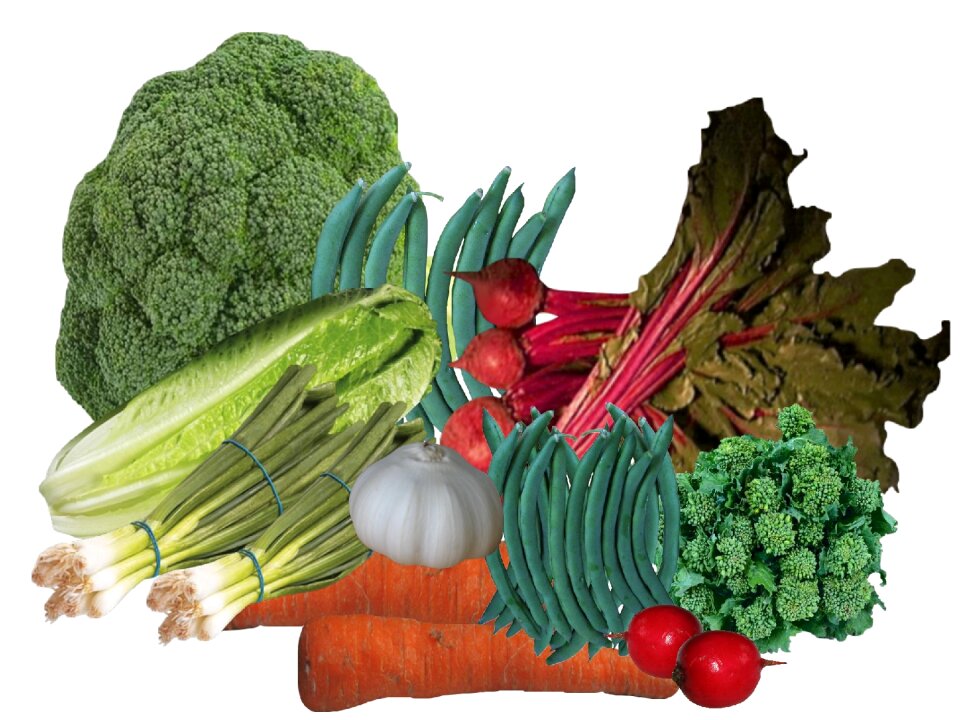
Tradizionali Strategie La casa are packed with essential nutrients and offer numerous health benefits. New ways of thinking about jobs and careers are shaping how we work daily. Today’s workplaces are more flexible, more connected, and often more focused on people than ever.
Old rules no longer fit a lot of modern jobs. Instead, fresh ideas help us find new paths, stay motivated, and keep growing. Understanding these ideas gives us a better view of what work can be today and where it might go next.
The Shift Toward Flexible Work Models
The way we work today is changing fast. More people are moving away from traditional office setups. Instead, they’re choosing options that fit their lives better. Technology plays a big role here, making remote work and freelancing easier than ever.
Remote Work and Its Growth
Remote work was once a rare perk. Now, it became the norm for many, especially after the pandemic. Companies saw that employees could stay productive from anywhere. This shift brought many benefits:
- Flexibility: Workers can set their own schedules. No more long commutes or rigid 9 to 5 hours.
- Work life balance: Having the freedom to choose when and where to work makes life less stressful.
- Broader talent pool: Companies can hire from anywhere, opening up more options.
The upside is clear. Workers enjoy more autonomy, and businesses gain access to a wider range of skills. Remote work isn’t just a trend; it’s rewriting how jobs are built.
The Rise of Freelancing and Gig Economy
Alongside remote work, freelancing has grown dramatically. Many prefer to work as their own boss, choosing projects that match their skills and interests. This shift is visible in the many platforms connecting freelancers with clients. Popular options include Upwork, Fiverr, and Freelancer. These sites make it simple to find work, manage payments, and build reputation.
Freelancers benefit from:
- Variety: They can choose different projects across industries.
- Control: They set their own hours and rates.
- Location independence: No need to work from a fixed office.
This new way of working has reshaped careers. It offers more freedom but also more responsibility. People now plan their careers around skills, reputation, and flexibility rather than just a single employer. The gig economy isn’t perfect, but it’s clear it will stay a big part of what work means today.
Adapting Skills for Tomorrow’s Jobs
As work changes rapidly, staying ready means more than just doing your current job well. It requires a mindset that focuses on learning and adapting every day. Tomorrow’s jobs will demand skills that could seem unfamiliar now. To stay relevant, working professionals must develop new abilities quickly and confidently.
Learning New Digital Tools
The ability to pick up new digital tools fast is now essential. Technologies evolve quickly, and those who adapt in real time gain an edge. Modern workers often find themselves needing to know how to use various platforms efficiently. Popular tools include project management apps like Trello or Asana, communication platforms such as Slack, and data analysis software like Excel or Power BI.
Many online courses are designed to help people stay current. Platforms like Coursera, Udemy, and LinkedIn Learning offer quick, targeted lessons on just about any tool. These courses are flexible, letting you learn at your own pace, so you can train during lunch breaks or evenings.
Quick adaptability means you can switch between tasks or tools with ease. If a new software becomes standard in your field, being among the first to learn it will help you stand out. Employers value workers who do not just learn new tools but also apply them effectively and bring new ideas to old problems.
Soft Skills and Emotional Intelligence
While technical skills are critical, soft skills have moved to the front of the line. Communication, teamwork, and problem solving are no longer just nice to haves. They are the foundation of productivity and innovation.
Think about complex projects or fast changing environments. Clear communication prevents mistakes. Good teamwork fosters collaboration that sparks better ideas. Problem solving keeps work moving when obstacles appear.
Soft skills form the heart of emotional intelligence. This involves understanding your emotions and those of others. It helps you stay calm under pressure and build stronger relationships. Tomorrow’s workplaces will rely heavily on these skills because they create a flexible, resilient team.
In a world where automation can take over routine tasks, these interpersonal skills will set humans apart. They enable you to lead projects, mentor peers, and take on roles that require empathy and creativity. Cultivating these skills isn’t a one off task. It demands constant effort and reflection but pays off by making you a valuable team member in any setting.
The Role of Technology in Shaping Modern Work Ideas
Technology has become a powerful force behind how we rethink work. It influences not only what tasks we do but also how we see our roles and opportunities. From the way we communicate to the way machines do our repetitive chores, tech keeps reshaping the everyday job.
It’s easy to overlook how much these tools change our mindset. They open doors we never knew existed. At the same time, they challenge us to learn new skills constantly. This shift pushes us to adapt and grow with every new app, program, or system.
Artificial Intelligence and Automation
Artificial Intelligence, or AI, is now more than a buzzword. It acts like a smart helper that can handle basic, repetitive tasks. Think of AI as a team member who can sort emails, schedule meetings or analyze data at lightning speed. When AI takes care of these routine chores, it frees up time for more valuable work. That means employees can focus on ideas that need creativity, judgment, or emotional intelligence.
But AI’s influence isn’t just about saving time. It opens new pathways. Jobs that seemed impossible before like interpreting vast amounts of customer feedback or predicting market trends are now within reach thanks to AI. Many companies use AI to get insights faster, helping them stay ahead of their competitors.
Of course, this technological shift brings challenges. Some worry that AI could replace human workers altogether. While automation does replace certain manual roles, it also creates new ones. For many workers, success will come from learning how to work alongside these intelligent systems.
Balancing the benefits with risks means understanding that AI is a tool one that can magnify human skills if used wisely. The key lies in developing new skills, such as data analysis or AI management, to stay relevant. The future of work will likely be a partnership between humans and machines, each doing what they do best.
Digital Collaboration Tools
Technology doesn’t just change what tasks we perform. It transforms how teams work together. Tools like Slack, Zoom, and project management platforms keep people connected no matter where they are. These tools make it possible to work as if everyone is in the same room, even if they are continents apart.
Imagine a team spread across different time zones. Without these tools, coordinating work would be a headache. With Slack, people can share ideas instantly. Zoom allows face to face conversations, making remote meetings more personal and productive. Management software like Asana or Trello keeps everyone on the same page about deadlines and responsibilities.
What makes these tools so effective is their ability to break down barriers. They help teams stay engaged, share knowledge, and solve problems fast. Regular communication even fosters a sense of community, something that used to be limited to the physical office.
This connectivity encourages new ways of working that weren’t possible before. Teams can be more flexible, project based, or cross functional. These tools support a work style that values trust, transparency, and quick adaptability. As a result, remote work feels less like a compromise and more like the standard.
By combining these tools with good management, companies can build a strong, connected workforce. Employees gain the ability to work efficiently from anywhere while staying in sync with their teams. The use of these technologies is shaping a future where work is less about location and more about results.
Redefining Success and Career Growth
As careers shift away from static benchmarks, success now looks different for many. The traditional gold standards titles, salary, or job security no longer define what it means to thrive. Instead, success is measured through personal growth, happiness, and the ability to adapt in a changing world. This new approach encourages us to focus on what truly makes us feel fulfilled, beyond just climbing a ladder or earning another paycheck.
Personal Fulfillment and Work Life Balance
Today, many see success as more than reaching a top position. It’s about feeling good when you wake up each day. Achieving a sense of personal happiness and maintaining a healthy work life balance are now top priorities. Many realize that a high salary can’t replace joy, purpose, or time with loved ones.
Work should fit into life, not take it over. It’s about finding routines that allow time for passions, family, and rest. When people measure success by their happiness and harmony in daily life, they tend to be more motivated and creative. They work smarter, not just harder.
This shift encourages a more human centric view of careers. Your well being becomes part of your success story. No longer is a fancy title enough; feeling energized and balanced matters just as much.
Setting New Goals and Milestones
The way people plan their careers has changed. Instead of only chasing promotions or recognition, many focus on skills, learning, and personal milestones. These new benchmarks tell the story of growth on a deeper level.
Goals are now about gaining mastery in new tools, expanding knowledge, or building better habits. Achievements might include completing a course, learning a new language, or leading a project that challenges you. These milestones create a sense of progress that doesn’t rely solely on job titles.
People seek purpose in their work. They want to see how their efforts fit into their broader life goals. Success becomes more personal and customized. Sometimes, it’s about pushing boundaries or trying something unfamiliar.
This mindset shifts the focus from external validation to internal satisfaction. It reflects a desire to grow as a person, not just as an employee. It turns work into a path of continual achievement, stepping stones that improve skills, confidence, and self awareness.
In this new view, career development is a personal journey. It’s about setting meaningful goals that matter and celebrating each step forward. Success is not just a destination. It’s a collection of moments of progress that align with what you truly value.
Modern work ideas center on flexibility, new skills, and the smart use of technology. These changes open doors for new ways to grow and succeed. Staying adaptable becomes key to keeping pace with today’s workplaces. Whether working remotely, learning new tools, or balancing personal goals, success depends on your ability to adjust and thrive. Embracing these ideas helps you build a career that fits your life and passions. Keep moving forward, and remember that change itself often brings the greatest opportunities. Thank you for reading, and consider how you can apply these ideas to your own work journey.