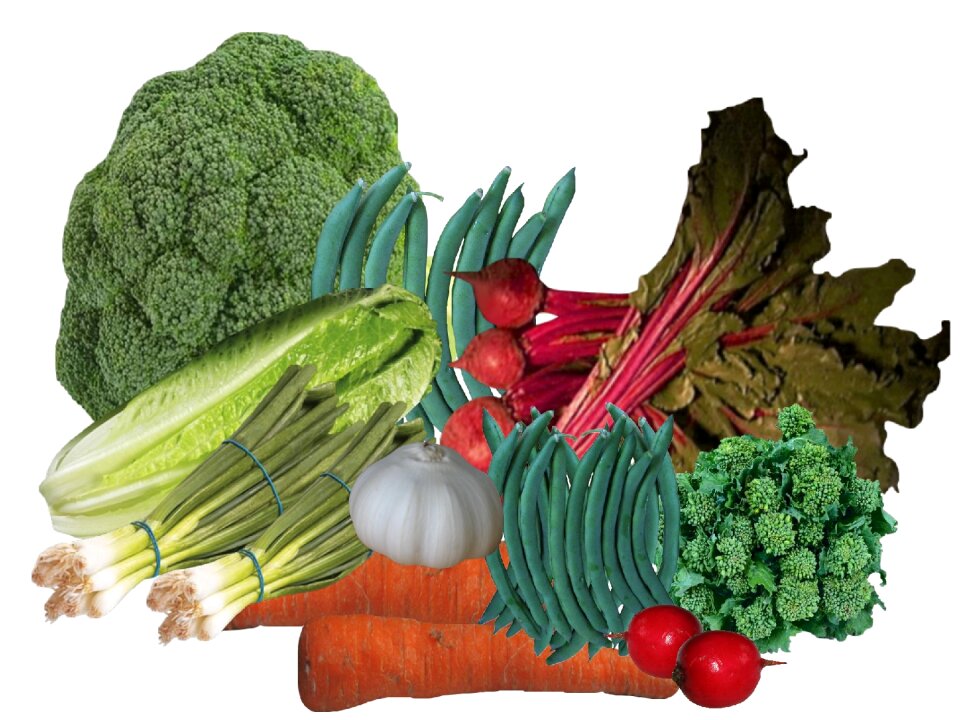
Sostenibili Tendenze Vantaggi La dieta
Sostenibili Tendenze Vantaggi La dieta are packed with essential nutrients and offer numerous health benefits. Many are looking for ways to eat better for their health and reduce environmental harm at the same time. This shift isn’t just about dieting; it’s about making a positive change for ourselves and future generations.
This post explores the latest trends in sustainable eating, highlights the benefits of adopting these habits, and offers simple tips to get started. If you’re curious about how to make your diet more eco friendly, you’re about to find some clear, practical guidance.
Understanding Sustainable Tendenze in Diets
Adopting sustainable diets is more than just choosing organic produce or cutting down on meat. It’s a way of eating that considers the environment, your health, and the ethics behind food production. These choices reflect a growing awareness that what we eat doesn’t only affect our bodies but also the world around us. As awareness spreads, more people want to understand the trends shaping these diets and how they can make smarter, more responsible choices.
The Shift Toward Eco Friendly Eating Habits
In recent years, there’s been a clear shift toward eating habits that reduce harm to the planet. People are no longer just focused on calories or taste. They are looking at how food is grown, processed, and transported. This change is driven by a desire to lower carbon emissions, limit waste, and promote animal welfare.
Many are replacing traditional diets with plant rich options. Vegetables, fruits, grains, and legumes now take center stage. This doesn’t mean giving up everything. Instead, it’s about balancing our plates and reducing reliance on meat and processed foods. Consumers are even demanding transparency from brands about their supply chains and ecological practices.
The rise of these habits reflects a need for every forkful to be a choice for a healthier planet and a healthier body. People want food that fuels their life and respects nature.
Popular Sustainable Diets and Their Features
Certain diet patterns have gained popularity because they align well with sustainability goals. Some notable examples include:
- Plant Based Diets: Focus on fruits, vegetables, grains, nuts, and seeds. Animal products are minimized or eliminated. These diets are lower in greenhouse gases and land use.
- Flexitarian Approach: Mostly plant based but allows for occasional meat or dairy. It offers a practical way for many to eat more sustainably without giving up all favorites.
- Mediterranean Diet: Rich in vegetables, whole grains, seafood, and healthy fats like olive oil. It promotes balanced eating and is linked to better health outcomes.
- Locally Sourced Foods: Emphasizing food grown nearby reduces transportation emissions and supports local economies.
- Reducing Food Waste: Not a diet plan per se, but a critical part of sustainability. Planning portions, storing food properly, and composting cut down waste significantly.
Each of these trends shares a common goal: to eat in a way that respects the earth’s limits. They are practical, adaptable, and rooted in the idea that small choices can lead to big changes over time.
Influence of Media and Social Trends on Dietary Choices
Media social media, blogs, documentaries shapes how people view sustainable eating. Viral campaigns promote plant based recipes or reveal the impact of factory farming, making these issues more visible.
Social trends reinforce the idea that personal choices matter. When influencers share their journeys toward more sustainable diets, many followers feel inspired to try new habits. This creates an ongoing conversation around food ethics, health, and the environment.
However, not all trends are based on fact. Some movements spread misinformation or promote extreme diets that aren’t sustainable for everyone. It’s important to stay informed and choose methods that align with your lifestyle and values.
In the end, the trend toward sustainable diets is about making smarter, more informed choices. It’s about realizing that what we eat is connected to a broader story. Every meal becomes an opportunity to protect the planet, support ethical practices, and improve health all at the same time.
Advantages of Adopting a Sustainable Diet
Choosing a sustainable diet offers more than just an ecological benefit. It is a way to improve your health, save money, and support local economies. These advantages show how making mindful food choices can positively affect many parts of your life.
Environmental Benefits of Sustainable Eating
Eating sustainably helps reduce the stress on our planet. Meat production, especially for beef and lamb, uses a lot of land, water, and energy. It also produces more greenhouse gases than plant based foods. By shifting your diet toward more plant foods, you help lower your carbon footstep.
Sustainable diets also lessen waste and pollution. When food travels less distance from farm to plate, fewer emissions are released. Buying local foods cuts down on packaging and reduces the need for long haul transportation. These small changes add up. Over time, they can slow climate change and protect the ecosystems we depend on.
Adopting a green diet can even decrease water use and improve soil health. When farms focus on sustainable practices, they preserve resources and maintain biodiversity. This creates a healthier, more resilient environment for future generations.
Health Improvements and Long Term Gains
Switching to more plant based foods can boost your overall health. Fruits, vegetables, and whole grains are packed with nutrients that help protect against chronic diseases. These include heart problems, diabetes, and certain cancers.
A balanced sustainable diet encourages better weight management and improved digestion. It often means eating less processed food, which tends to be high in sugar and unhealthy fats. Eating more natural foods gives your body what it needs to function at its best.
In the long run, a sustainable diet can lead to a longer, healthier life. It fosters habits that promote mental well being and increased energy. Plus, reducing meat consumption may even lower your cholesterol levels and blood pressure. All these benefits work together to keep you feeling good today and well into the future.
Economic Savings and Local Support
Many people find that eating sustainably can save money. Plant based foods like beans, rice, and seasonal vegetables are often cheaper than meat and processed snacks. Buying locally grown produce also cuts costs because it doesn’t include extra transportation or middlemen.
Supporting local farms and markets helps small businesses stay competitive. When you buy local, your money stays within the community, boosting local economies. It also encourages sustainable practices because many small farms use eco friendly methods that protect the land and water.
By reducing food waste, you make every dollar spent count. Planning meals and storing food properly prevents spoilage and cuts down on unnecessary spending. Over time, these habits can add up to significant savings.
Choosing a sustainable diet then becomes a way to protect the environment, improve your health, and help local communities. Small changes to what you eat every day can lead to lasting benefits for everyone.
Practical Steps to Implement Sustainable Tendenze
Turning sustainable eating habits into everyday routines doesn’t mean overhauling your entire life overnight. It’s about small, consistent steps that build toward a bigger change. Here’s how you can start making your diet more eco friendly in a realistic way.
Incorporating Plant Based Foods into Daily Meals
Adding more plant foods to your plate is the foundation of a sustainable diet. It doesn’t require giving up all your favorite meals but rather making smarter choices each day.
Start by including a variety of vegetables, fruits, grains, nuts, and seeds in your meals. These foods are nutrient rich and use fewer resources to produce.
Replace one meat based meal each day with a plant based option. For example, try a lentil soup instead of beef stew or a veggie stir fry instead of chicken.
Use beans, chickpeas, or tofu as protein sources. They’re affordable, filling, and have a small environmental footprint.
Experiment with herbs and spices to make plant based dishes flavorful and satisfying. Adding fresh herbs or a dash of spice can transform simple ingredients into something memorable.
Making these small changes regularly helps you reduce your reliance on meat and processed foods. Over time, your taste buds will adjust, and you’ll find it easier to stick with plant forward meals.
Reducing Food Waste and Choosing Local Products
Minimizing food waste has a big impact on sustainability. It’s easy to produce less waste by planning your shopping and meals more carefully.
Start by creating a shopping list based on what you actually need for the week. Stick to it to avoid impulse buys that may end up in the trash.
Buy in bulk or choose packages that suit your household size to prevent leftovers from spoiling.
Learn to store fruits and vegetables properly so they last longer. For example, keep leafy greens in a damp cloth in the fridge or store root vegetables in a cool, dark place.
Use leftovers creatively turn roasted veggies into soups or sandwiches. Freezing excess portions also preserves food and saves time later.
Switching to local products is another powerful move. Choose seasonal produce from nearby farms or farmers markets. Local foods often support sustainable farming practices and reduce transportation emissions.
Supporting local businesses keeps money circulating in your community and encourages eco friendly agriculture. Make it a habit to explore farmers markets or join a food cooperative.
By reducing waste and choosing local, you extend the life of resources and help lower your carbon footprint with each meal.
Smart Shopping and Meal Planning Strategies
Smart shopping is about making conscious choices at every step. It pulls together your efforts to eat sustainably with practical strategies.
Plan your meals around seasonal, local produce. This usually means buying what’s freshest and cheapest. It also means less energy used for storage and transportation.
Use a meal plan for the week. Not only does this help avoid last minute takeout, but it also ensures you pick ingredients that work well together.
Shop the perimeter of your grocery store. You’ll usually find fresh produce, dairy, and whole grains there while cutting back on processed foods in the aisles.
Read labels to pick options that are minimally processed, have simple ingredients, and come from responsible sources.
Prioritize quality over quantity. Buying fewer, better quality items often means less waste and more satisfying meals.
Keep reusable bags, containers, and produce wraps handy. This helps cut down on single use plastics and packaging waste.
Lastly, get creative with substitutions. If a recipe calls for one ingredient, find a local or seasonal alternative. It’s a simple way to support local farmers and reduce your eco impact.
With a little planning and awareness, sustainable shopping becomes second nature. It turns each grocery run into an opportunity to reinforce your commitment to a greener lifestyle.
Future Outlook and Challenges in Sustainable Diets
The future of sustainable diets looks promising, yet it’s also filled with hurdles that need addressing. As awareness continues rising, new ideas are shaping how people want to eat. But making these changes widespread requires overcoming real obstacles. It’s a story of innovation versus inertia, progress versus setbacks, and hope against challenges. Here’s a closer look at what’s ahead.
Emerging Trends and Innovations in Sustainable Food
The push for greener eating is sparking some exciting breakthroughs. New foods, smarter farming, and tech driven solutions are transforming how we think about our plates.
One key trend is lab grown meat and plant based proteins. These innovations aim to produce meat like alternatives without the environmental toll. They could help satisfy meat lovers while actually using fewer resources and creating less waste. Brands are racing to perfect flavors and textures, making these options more appealing and accessible.
Another development is vertical farming. Instead of sprawling fields, crops grow in skyscraper like structures inside controlled environments. This method uses less land and water, and it can bring fresh produce directly to urban centers. It’s an innovative way to cut transportation emissions and reduce food miles.
Technology also plays a role in reducing waste. Smart packaging that tracks freshness, apps that suggest recipes based on leftovers, and composting solutions are helping consumers and businesses cut waste. These tools turn conservation into a simple, integrated part of daily life.
The focus on regenerative agriculture is gaining momentum. Farms that rebuild soil health, increase biodiversity, and store carbon on their land are attracting attention. It’s a new approach that turns the farm into a tool for climate health, not just food production.
At the same time, consumers are demanding transparency. They want to know how their food is made, where it comes from, and how it impacts the planet. Brands that answer those questions earn trust and loyalty. Expect to see more labeling initiatives and certification programs that highlight sustainability.
Overall, these different threads weave together in a picture of innovation. Progress depends on how quickly these new ideas can be proven, accepted, and scaled. It’s a future where technology and responsibility combine to reshape what we eat.
Overcoming Barriers and Promoting Widespread Adoption
Progress isn’t guaranteed. Many people face obstacles when trying to adopt more sustainable eating habits. Cost, taste, accessibility, and ingrained habits stand in the way of change.
Price remains a major concern. Plant based alternatives and organic products often cost more than conventional options. Making sustainable foods affordable requires reducing production costs and encouraging mass market adoption. Governments and companies can play a role by subsidizing eco friendly foods or offering incentives.
Cultural and taste preferences also influence choices. People grow up with familiar foods they love. Changing those habits takes time, patience, and creative marketing. Education helps spread awareness that sustainable eating can be tasty and satisfying. Recipes that highlight familiar flavors using sustainable ingredients make the transition easier.
Access to sustainable options can be limited, especially in rural or underserved areas. Building supply chains that reach all communities is essential. This involves supporting local farms and small producers, so fresh, responsibly sourced foods are available everywhere. Stores should prioritize sustainable offerings, making them easy to find at checkout.
Another challenge is habit. Breaking routines around shopping, cooking, and eating requires effort. Meal planning, batch cooking, and simple swaps make sticking to sustainable habits easier. Small changes such as swapping beef for beans or choosing seasonal produce compound into big benefits.
Finally, clear and consistent messaging is essential. Misinformation and confusion can slow progress. It’s important to provide honest, straightforward advice about why sustainable diets matter. When people understand the impact of their choices, they’re more likely to stick with them.
The road forward depends on collaboration among governments, businesses, and consumers. Each group has a role in making sustainable diets not just desirable but also practical and accessible. With shared effort, these efforts can break down barriers and make a more sustainable food system the norm, not the exception.
Choosing sustainable diets is about more than just food it’s about caring for the future. Small changes in what we eat can lead to big benefits for the planet, our health, and local communities. Incorporating more plant based meals, reducing waste, and shopping locally are simple steps that anyone can take. These choices help reduce emissions, save resources, and support farms that use responsible methods.
Starting with tiny shifts makes the process easier and more rewarding. Each meal is an opportunity to make a positive impact. By making mindful decisions today, we pave the way for a healthier world tomorrow. Everyone has the power to change how they eat. Why not begin now? The sooner we act, the richer our future will be.