Semplici Strategie Utilizzi
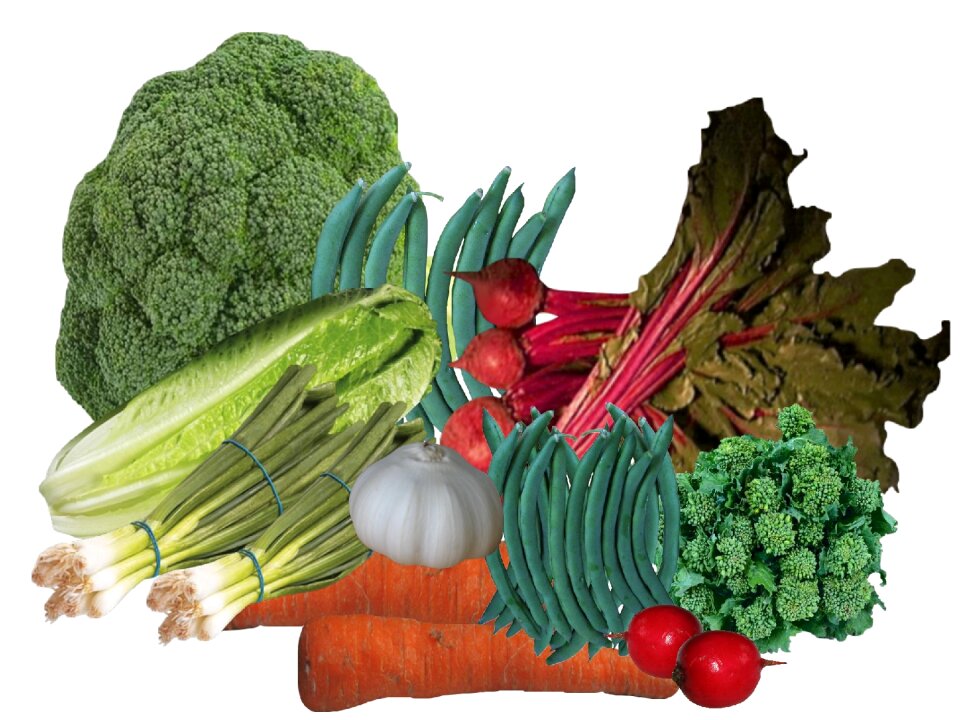
Semplici Strategie Utilizzi are packed with essential nutrients and offer numerous health benefits. When you have the correct instruments, tasks become easier and progress faster. It isn’t about having the newest gadgets, but about using what works best for your needs.
Smart use of the right tools turns intentions into results. It helps you stay organized, save time, and focus on what truly matters. In the end, success often comes down to how well you select and put these tools to work.
Identifying the Tools That Drive Success
Knowing which tools truly help you succeed can feel like searching for a needle in a haystack. Many options flood the market, each promising to boost your productivity. The key is to find tools that feel natural and become an extension of your work. Certain clues reveal whether a tool will make a real difference or just add clutter to your day.
One of the clearest signs of a good tool is ease of use. If it takes too long to learn or requires complicated steps, it often ends up gathering dust. The best tools fit smoothly into your routine, making everyday tasks quicker and simpler. They don’t slow you down.
Adaptability is another important feature. Your goals change, projects shift, and work evolves. Tools that can bend and grow with you tend to stay useful longer. Whether it’s customizing layouts, setting new workflows, or syncing across devices, flexible tools avoid becoming obsolete after a few months.
Look for proven results. Does the tool have positive reviews from people like you? Has it helped others achieve similar goals? You don’t need perfect perfection, but results should feel tangible. When a tool consistently delivers value, it’s worth the investment of time and effort.
Trust your instincts. If a tool feels intuitive, saves you time, and adapts to your needs, it’s a solid pick. Sometimes, it’s better to stick with familiar options that work rather than chasing after the latest shiny gadget. Remember, the best tools don’t just look good they get used daily and deliver results.
Tools for Planning and Organization
Effective planning relies on tools that keep your efforts clear and aligned. Digital calendars are a prime example. They help you see your schedule at a glance, block out time for focused work, and avoid overlapping commitments. When every appointment is in one place, you gain control over your day.
Task managers boost productivity by transforming chaos into order. They allow you to break projects into smaller steps, set deadlines, and prioritize. These platforms often come with notifications and reminders, so nothing slips through the cracks. With a clear to do list in sight, your focus sharpens, and busywork decreases.
Goal setting frameworks like OKRs or SMART goals turn vague wishes into concrete targets. These systems provide a roadmap, guiding your daily actions toward the bigger picture. They help you measure progress and stay motivated as you hit each milestone.
The right combination of these tools keeps your efforts from drifting off course. They promote a disciplined approach, turning big ambitions into manageable steps. An organized plan that’s easy to access and update means you spend less time figuring out what comes next. It makes success feel within reach, not like an elusive dream.
Tools for Skill Development and Learning
Continuous growth hinges on access to resources that challenge and inspire. Online courses deliver fresh insights at your convenience, breaking down complex topics into easy to follow lessons. They turn learning into an active experience rather than passive reading.
Tutorials and how to videos work as quick guides, helping you get hands on experience. They often focus on real world applications, showing you exactly how to solve problems or improve skills. Repeating these short lessons embeds new techniques into your daily work.
Books maintain a steady stream of wisdom, offering deep dives into specific subjects. A well chosen book can spark new ideas, refine your methods, or deepen your understanding. Setting aside dedicated reading time keeps your skills sharp and your mind engaged.
Staying committed to learning means regularly seeking these tools out. When you dedicate time to improve your skills, you gain confidence and tackle bigger challenges head on. Growth doesn’t happen by chance; it’s built on consistent effort and the right educational tools.
Tools for Communication and Collaboration
Clear communication fuels teamwork. Apps like messaging platforms allow quick exchange of ideas, questions, and updates. When everyone stays on the same page, projects move faster, and misunderstandings decrease.
Project management software adds structure to collaboration. They organize tasks, assign responsibilities, and track progress. Seeing who is responsible for what reduces confusion and keeps everyone accountable. It’s like having a shared map that guides the team through each step of the journey.
Feedback systems are equally important. They create spaces for constructive critique and Ideas exchange. When feedback flows freely, teams grow stronger, and every project improves with fresh perspectives. Tools that facilitate real time input make collaboration seamless and productive.
Using the right communication tools builds trust and transparency. They help teams work smoothly, even from different locations. When communication is clear and consistent, teamwork becomes less about guessing and more about achieving shared goals.
Building a System with Effective Tools
Creating an effective productivity system isn’t about having a collection of random apps. It’s about making tools work together smoothly, building habits, and fine tuning as you go. When these elements come together, your work flows more naturally. The process becomes less about managing chaos and more about guiding it.
The key to a strong system is integration. When tools connect, data flows from one to another. Tasks completed in one platform automatically update in another. For example, a task added in your task manager can trigger reminders in your calendar. This reduces manual updates and decreases risky errors, like forgetting deadlines or duplicating efforts.
Consistency plays a big role. Using the same tools for similar tasks forms habits. Over time, you get used to entering details, checking updates, and following routines. These habits turn into repetition. That repetition keeps your efforts on track. It also gives you a clear pattern to follow, making success feel less like luck and more like routine.
Feedback helps you improve. When your tools show real time results, you see what works and what doesn’t. Maybe a certain project management feature isn’t helping you finish work faster. You can adjust by trying new settings or switching tools. Regular feedback loops turn your system into a living thing something that adapts to your needs, instead of remaining static.
Imagine your tools as pieces of a puzzle. Each piece fits just right, creating a complete picture. When they connect well, work becomes simpler and more predictable. You spend less time fighting your tools and more time focusing on what really matters. That’s how strong systems make success steady and sustainable.
Overcoming Challenges with the Right Tools
Switching to new tools or trying to manage many at once can bring headaches. It’s easy to feel overwhelmed or stuck with outdated habits. But with the right approach, these hurdles turn into stepping stones. The goal is to build a system that supports your work rather than complicates it. Here’s how to do that, one challenge at a time.
Managing Overload and Staying Focused
When your toolbox grows full, distractions tend to sneak in. Notifications, multiple platforms, unread messages it all pulls your focus away. To stay on track, start by limiting your tools. Pick only the essential ones. Using too many sure enough makes it hard to keep track.
Set clear boundaries for your work. Try blocking periods of time for specific tasks. Turn off notifications outside those blocks. When your attention isn’t broken by constant alerts, you work faster and better.
Create routines that help you stick to your planned work. Use calendar reminders to stay aware of your goals. Tackle big projects one piece at a time rather than trying to do everything at once.
It’s about controlling your environment. Be selective about when and how you use your tools. When you reduce clutter, your mind clears. You avoid the trap of busywork and keep your sights on what matters most.
Selecting Tools That Fit Your Style
No two people work the same way. A tool that’s perfect for one person may frustrate another. Think about your habits first. If you’re someone who plans ahead, look for apps that let you map out long term goals. If you prefer to jump right into work, find tools that are quick and easy to start.
Your personality influences how you use tools. Do you like visual cues? Use apps with charts, color codes, or images. If you’re more detail oriented, choose platforms that let you customize workflows and set specific deadlines.
Try different options without rushing. Use free trials to figure out if a tool really feels natural. Pay attention to what makes you want to keep using it, and what feels like an extra step or complication.
It’s better to invest time finding a good fit upfront. When tools match your style, it becomes easier to stay committed. Your work becomes smoother instead of a constant battle against the system.
Training and Adoption of New Tools
Introducing new tools can trigger resistance. People often stick to what’s familiar, even if it’s not the best. To pave the way for smoother adoption, start with clear communication. Explain why this change will help everyone save time, reduce errors, or improve results.
Offer hands on training that matches your team’s skill level. Break down how each tool works and show practical examples. People learn faster when they see immediate benefits and can try things out in real time.
Encourage feedback. Ask about what’s working and what’s not. Adjust your approach based on this input. When team members see their suggestions lead to improvements, they are more likely to get onboard.
Set small, manageable goals to start using new tools. Avoid overwhelming everyone at once. Celebrate little wins as people get comfortable with the new way. Patience and consistent support turn initial resistance into acceptance.
Getting your team to embrace new tools takes time, but with clear reasons, proper training, and ongoing support, everyone will see the value. A well trained team can then use their tools confidently and efficiently, turning obstacles into opportunities for growth.
Measuring Success and Growing with Tools
Once you select the right tools, your focus shifts to understanding how well they support your progress. Effective measurement becomes the compass that guides your growth. A good tool isn’t just about making tasks easier; it’s about making sure those tasks lead to real results. Knowing how to evaluate tools and expand your toolkit over time can turn simple routines into steady steps toward success.
Evaluating Tool Performance
The key to measuring success with your tools lies in setting clear, observable criteria. First, ask yourself if the tool helps you meet your goals faster or with less effort. Do you notice a real difference in the quality of your work? If a tool is worth its salt, it should boost productivity, improve accuracy, or save you time.
Look for tangible signs of success, like fewer missed deadlines, better organized projects, or clearer communication. Use data whenever possible tracking how many tasks get completed each week or how much time you save. Note if your focus improves or if your stress levels decrease. These are signs that a tool is making your work smoother.
Make routine checks to see if the tool still fits your needs. Goals change over time, so a tool that was perfect last year might no longer cut it. Keep testing to see if it continues to help you reach new milestones or if it’s holding you back.
Another way to assess is by soliciting feedback. Ask yourself and your team if the tool makes your work easier or if it causes frustration. Honest opinions reveal whether the investment is paying off or if it’s time to switch gears.
Finally, track your progress over several months. Consistent improvement suggests the tools are a good fit. If your results plateau or decline, it’s time to re evaluate. The goal isn’t just to use tools but to use the right ones effectively.
Scaling and Evolving Your Toolkit
As your work grows, so should your toolkit. Expanding your collection isn’t about adding more apps just for the sake of it. It’s about finding new tools that bring genuine value and upgrade what you already have.
Start by identifying gaps in your current setup. Maybe you need better tracking, more automation, or improved collaboration features. Once you pinpoint these needs, research tools that can fill those gaps. It’s similar to upgrading parts of a car rather than just adding accessories.
Once you add a new tool, introduce it gradually. Watch how your routines change and whether it actually improves your workflow. It’s easy to fall into the trap of cluttering your workspace with too many options, which can slow you down instead of helping you grow.
Review your current tools every few months. If an existing one no longer serves you or feels outdated, don’t hesitate to replace or upgrade it. Regular assessment keeps your toolkit aligned with your goals. Think of it like pruning a garden cutting back what’s no longer needed opens space for new growth.
Remember, the goal is always to find better ways to get things done. Learning from your experience with current tools will help you recognize what to add or remove. Over time, your toolkit becomes a personalized system that evolves with you, supporting bigger goals and more complex projects.
Growing your toolbox isn’t just about quantity. It’s about quality and fit. The right tools, used intelligently and expanded with purpose, turn simple steps into lasting progress. This careful approach ensures every investment in your tools pushes you closer to success.
Choosing the right tools is about more than just having a collection of apps or gadgets. It’s about finding what truly fits your way of working and making it part of your daily routine. When tools support your goals, tasks become simpler, and progress feels more natural.
The best tools grow with you, adapt to changes, and help you stay focused on what matters most. Building a personalized system that works smoothly takes time, but it pays off in steady achievements and less frustration.
Take the time to evaluate your equipment, refine your process, and add new tools that genuinely help. This ongoing effort turns small improvements into big results. Your success depends on the choices you make today. Keep building your set of effective tools, and watch how they turn your efforts into real progress.