Rapidi Tendenze Il lavoro
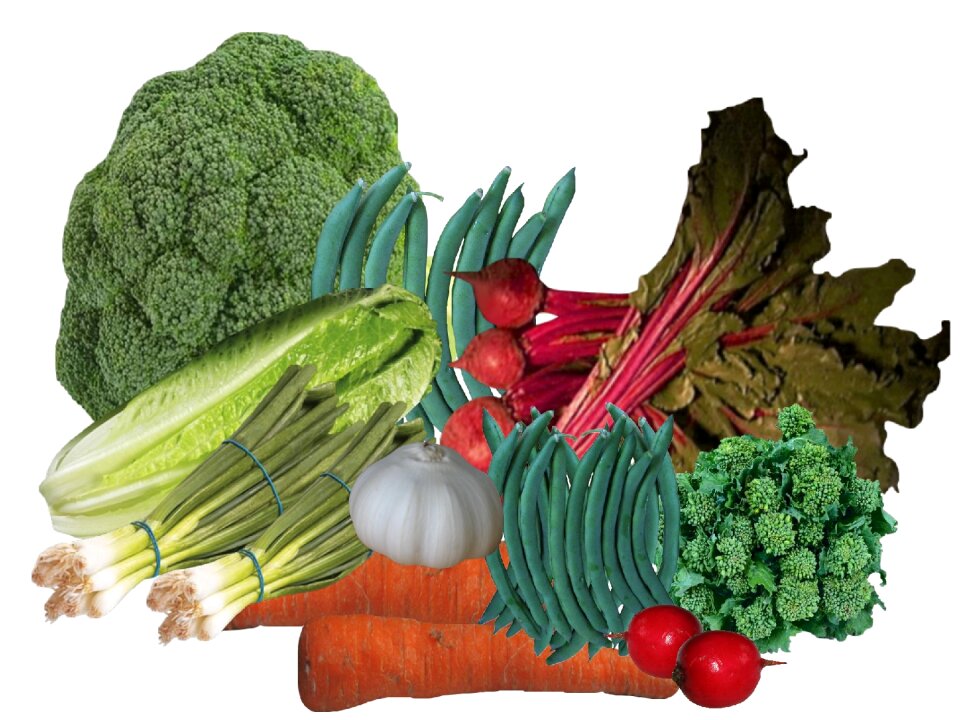
Rapidi Tendenze Il lavoro are packed with essential nutrients and offer numerous health benefits. New trends appear almost overnight, shaping how we do everyday tasks and interact with colleagues. Staying informed about these shifts isn’t just helpful it’s essential for keeping up.
In this post, you’ll see how quick changes influence your work life. Understanding these trends can help you adapt faster and stay ahead. If you want to succeed in today’s changing work world, keeping up with what’s new is no longer optional.
Rapid Changes Shaping Modern Work Environments
The way we work today looks nothing like it did just a few years ago. The shifts are faster and more widespread than ever. It’s as if the ground underneath our feet is constantly shifting. Understanding these changes can help you stay prepared and make smarter choices in your career.
Technology’s Role in Accelerating Work Shifts
Technology is the biggest driver behind how work is changing. Advancements like artificial intelligence (AI), automation, and new remote tools are transforming everyday tasks. These tools make some jobs faster and more accurate, but they also shift roles and responsibilities.
AI now handles repetitive tasks, freeing up workers to focus on strategic work. Automation takes over routine processes, reducing the need for manual input. Remote collaboration tools like video conferencing, instant messaging, and cloud storage break down physical boundaries. Workers can now collaborate with colleagues across oceans as if they were in the same room.
This shift means that digital skills are no longer optional. Those who can adapt to new technologies thrive, while others risk falling behind. Tasks once done manually are now automated changing what skills are in demand and how jobs are structured.
Emerging Work Models and Flexibility
Work models are evolving rapidly to meet the needs of modern employees and employers alike. The traditional 9 to 5 office routine is giving way to more flexible formats. Gig work, freelancing, and hybrid setups are becoming increasingly common.
Gig work offers short term jobs that can be done from anywhere. Freelancers now handle everything from content creation to programming, often juggling multiple projects at once. Hybrid work combines in office and remote work, giving employees more control over how they spend their days.
These models reflect a desire for more flexibility. People want to balance work and personal life better and have choices about where and how they work. Employers are adjusting too, offering these options to attract talent and stay competitive.
This shift is not just about convenience it’s driven by a desire to be more adaptable. Companies that offer flexible arrangements can respond faster to market changes and keep their teams engaged.
Global Influences and Market Fluctuations
The interconnectedness of markets means changes in one part of the world ripple through others. Global influences are now shaping what skills are needed, what jobs are available, and how work is viewed culturally.
Skills demanded today are affected by international trends. For example, a surge in AI development in one country creates a demand for data scientists worldwide. Market fluctuations in major economies can lead to layoffs or new opportunities elsewhere.
Cultural shifts also play a role. Workplaces are becoming more diverse and inclusive as organizations recognize the value of different perspectives. The global talent pool is a resource, but it also means competition is fiercer.
This interconnected environment makes adaptability more important than ever. Workers need to be ready to learn new skills quickly or risk becoming outdated. Companies that understand these global shifts can better position themselves for success in turbulent times.
Skills in Demand in a Fast Moving Job Market
In today’s work world, change happens fast. Jobs that seemed stable a year ago can look very different now. To keep pace, workers need skills that adapt just as quickly. These skills aren’t just nice to have they are essential for staying relevant in a shifting economy. Here’s what you should focus on to stay ahead.
Importance of Digital Literacy and Tech Skills
Our work is now tied to technology more than ever. From communicating with teammates to analyzing data, digital skills form the backbone of modern jobs. Some key skills include:
- Proficiency with common software like Microsoft Office or Google Workspace.
- Understanding of cloud platforms such as Google Drive, Dropbox, or OneDrive.
- Basic coding or scripting skills for tasks like automation or data analysis.
- Familiarity with remote collaboration tools like Zoom, Slack, and Teams.
- Cybersecurity awareness to protect information and prevent breaches.
Being comfortable with these skills allows you to work efficiently and collaborate seamlessly from anywhere. It also opens doors to roles that depend on new technology. Those who can adapt quickly to new tools are more attractive to employers because they bring value in faster problem solving and smoother workflows. The message is clear: digital skills are no longer optional; they are the foundation of your career.
Soft Skills for Rapid Adaptation
In a world where change is constant, soft skills matter more than ever. They act like a safety net in unpredictable situations. Employers look for workers who can communicate clearly even when instructions are unclear. Flexibility becomes a strength when routines shift suddenly or priorities change overnight. Resilience helps workers recover quickly from setbacks and keep moving forward.
Skills such as:
- Good communication to explain ideas clearly and listen actively.
- Flexibility to shift gears as new priorities or challenges appear.
- Resilience to bounce back after setbacks or stressful times.
- Problem solving ability to find solutions without waiting for instructions.
- Teamwork to work well with diverse groups under different circumstances.
These qualities help you adjust faster, learn new skills on the fly, and turn obstacles into opportunities. They can make the difference between falling behind or staying ahead of the game. Sharpening soft skills lets you thrive through uncertainty and turn rapid changes into chances to grow.
Learning New Skills Quickly and Continuously
The idea of a job for life is gone. Instead, workers must learn new skills throughout their careers. That means staying curious and open to fresh knowledge. You need to be ready to pick up new tools, understand new concepts, and even change your approach when necessary.
How can you stay ahead in this constant race? Focus on:
- Ongoing training: Take courses, attend webinars, or earn certifications related to your field.
- Networking: Connect with colleagues and industry groups that can introduce you to new ideas.
- Regular reading: Follow industry blogs, journals, and news sites to stay informed.
- Hands on practice: Apply what you learn immediately. Experiment with new software or methods.
- Feedback: Seek out reviews of your work and use them to improve quickly.
Instead of waiting for a company to train you, take control of your growth. The faster you learn, the more competitive you will stay. It helps to see learning as a habit, not a one time effort. Keeping your skills sharp transforms you into someone who can pivot quickly and handle whatever changes come next.
By focusing on these areas digital literacy, soft skills, and ongoing learning you position yourself as a worker who not only survives change but also finds ways to thrive amid it.
Challenges and Opportunities of Fast Paced Work
Working in a world where change arrives so quickly can feel like running on a treadmill. Every day brings new priorities, tools, and expectations. This rapid rhythm can be exhausting, but it also opens doors to growth and innovation. How you manage the hurdles can turn chaos into opportunity, helping you stay on top of your game.
Handling Stress and Preventing Burnout
The constant speed of modern work can wear down even the most motivated. When deadlines pile up and feeling of falling behind becomes a common thought, stress takes its toll. Burnout isn’t just feeling tired; it’s a state of chronic exhaustion that drains motivation, creativity, and focus.
To stay healthy, focus on simple strategies. Set clear boundaries between work and rest. Give yourself permission to disconnect once your workday ends. Short breaks can refresh your mind and boost productivity, even during long hours. Regular exercise and sleep are your best allies against fatigue.
It’s important to recognize when stress is becoming overwhelming. Take time to reflect. Talk with colleagues or supervisors about workload and find ways to share responsibilities. Practicing mindfulness or meditation can also lower stress levels. Remember, maintaining your mental well being is not a sign of weakness but a necessary step to perform at your best.
Keep activities outside of work rich and meaningful. Hobbies, time with loved ones, or quiet moments alone help recharge the soul. When you feel balanced, facing rapid change becomes less daunting. Your energy and motivation will stay higher longer.
Leveraging Opportunities for Career Growth
A fast moving work environment is not just about surviving chaos. It offers chances to grow in new directions. Those who stay flexible and open see opportunities others might miss. Being adaptable can lead to better roles, increased responsibility, or even leadership positions.
Staying flexible means being willing to learn new skills or shift your focus when needed. When a department announces a new project or tool, volunteering or asking to be involved signals your readiness to grow. Companies value workers who can adjust quickly and carry new ideas into the next phase.
Most opportunities for advancement come from showing initiative. Don’t wait to be told what to do. Instead, look for gaps or challenges and suggest solutions. Your ability to turn new situations into successful outcomes will get noticed.
In an environment that changes fast, innovation isn’t just encouraged it’s necessary. Creative ideas often emerge from unexpected places. Being open to trying new approaches shows leadership potential and sets you apart.
Fast paced work challenges you to think differently. It pushes you to develop skills you may not have considered before. This willingness to learn and adapt leads to career breakthroughs. The ability to turn rapid change into an advantage can bring new roles, higher pay, and a stronger reputation.
In the end, managing stress effectively keeps you resilient. Embracing change makes you proactive. Both are keys to not only surviving but thriving amid the quick pace of work today.
The Future of Work and How to Prepare
As work continues to change at lightning speed, staying ahead means more than just watching trends. It calls for a mindset shift and clear strategies for action. Getting ready for what’s next means stepping into growth mode now. Here’s how you can do that.
Adapting Mindsets for Continuous Change
The first step is to change how you see work. Everything shifts so quickly that clinging to old routines will leave you behind. Instead, develop an openness to learning. Every new tool, process, or idea becomes an opportunity, not a threat.
Think of change as an ongoing adventure rather than a challenge. Cultivate curiosity in every task. Ask what you can learn from each situation and how you might improve. Recognize that mistakes are part of growth. Every misstep is an opening to get better.
Being comfortable with innovation means you’re willing to try new ways of working. When presented with change, resist the urge to stick to what’s familiar. Instead, see it as a way to discover a better, faster, smarter approach. Flexibility becomes your strongest trait, allowing you to adapt without stress.
Embracing New Technologies and Work Trends
The key to staying relevant is to welcome new tools and ways of working. Do not wait until a new software or practice becomes mandatory. Instead, seek out opportunities to try out emerging technologies early.
Set a goal to learn a new tool or process every few months. Join online courses, read industry blogs, or watch tutorials. When new apps or platforms roll out, get acquainted with them quickly. This proactive approach helps you stay ahead of the learning curve.
Adopt a mindset of experimentation. If a company introduces a new way of collaborating, like virtual whiteboards or flexible office hours, jump in. Use these tools to increase your productivity and help your team work better.
By staying open and curious about new technology, you also position yourself as someone who adds value. Employers value workers who can adapt quickly and bring fresh ideas to the table. It’s about being ready to jump on new trends, not just waiting for them.
Building a Resilient Career Strategy
A flexible plan is your best weapon against rapid change. Think of your career as a boat on shifting waters steady, but ready to turn when needed. Write a plan with many options, so you can pivot when circumstances change.
Start by setting clear, long term goals. But don’t build your plan around a single path. Include multiple routes to reach your destination. Develop skills that can apply to different roles or industries. For example, learning project management or data analysis opens doors in many fields.
Stay active in your industry. Follow trends, attend webinars, and connect with others. The more you know, the easier it is to spot new opportunities. Don’t be afraid to take on new roles or responsibilities even if they seem outside your comfort zone.
Keep your financial foundation solid. Save money and build a backup plan. In uncertain times, having options makes a big difference. The most flexible careers are those where workers can adjust quickly and smoothly.
Continuously reevaluate your strategy. Every few months, ask yourself what’s working and what isn’t. Let your goals evolve with the market. When you stay adaptable, your career becomes a sailing ship that moves with the wind, rather than fighting against it.
By shifting your mindset, welcoming new tools, and planning flexibly, you set yourself up to thrive in the future of work. These steps turn change into a path for growth rather than a source of stress. Remember, the most prepared workers learn to see the race not as a hurdle but as an opportunity.
The pace of work keeps getting faster. Change is no longer a rare event but a constant. Staying competitive means being willing to adapt quickly, learn new skills, and handle uncertainty with confidence. Flexibility and curiosity become your best tools in this shifting environment.
Keeping your skills sharp and your mindset open will help you turn challenges into chances for growth. As the world of work moves forward, those who stay agile will find more opportunities and less stress. Thank you for reading. Share your thoughts below and stay ready for what’s next.