Moderni Tendenze Caratteristiche
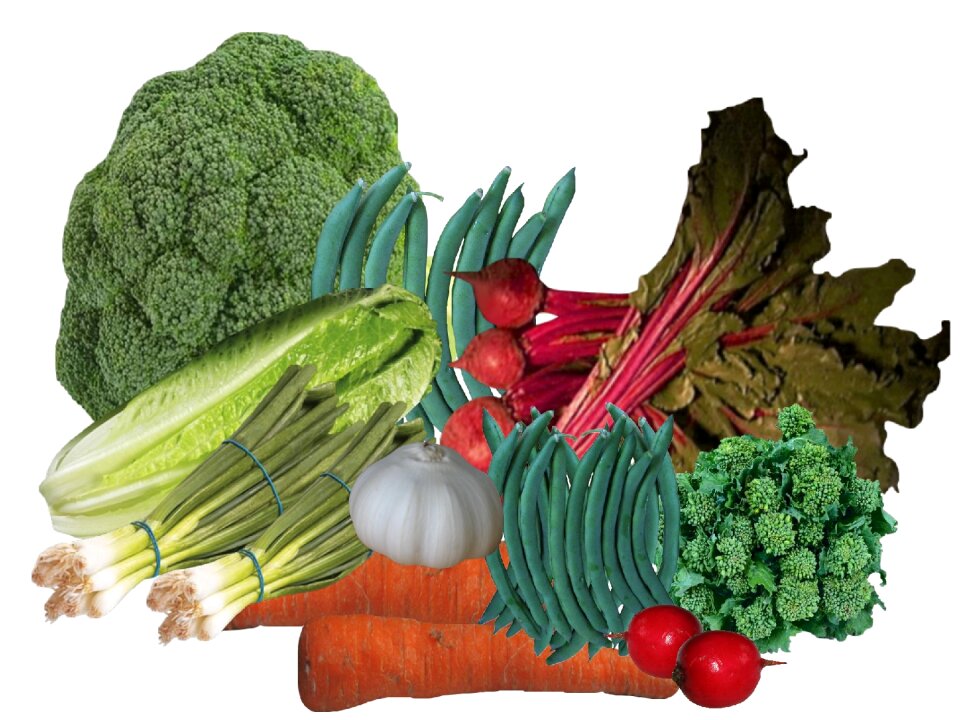
Moderni Tendenze Caratteristiche are packed with essential nutrients and offer numerous health benefits. These elements come together to create a style that feels fresh and relevant. Understanding these characteristics helps you stay current and make choices that reflect today’s mood. This post looks at what makes trends today so distinctive and why it’s important to keep up.
Core Features of Modern Trends
Modern trends are constantly shifting, shaped by new ideas, technology, and individual expression. They are characterized by rapid change and the ability to adapt quickly. These features make today’s trends exciting and sometimes unpredictable. Understanding the core qualities behind these trends helps you recognize what makes them stick around or fade away fast.
Adaptability and Flexibility
One of the defining features of modern trends is how fast they change. Nothing stays the same for long. What is popular today might be outdated tomorrow. To keep up, brands, creators, and consumers need to be versatile. They must be willing to shift direction, adjust designs, or rethink strategies with ease.
This agility means trends are less about sticking to one style or idea for a long time. Instead, they are like waves constantly rolling and reforming. Think of it like changing fashion outfits for different seasons or swapping tech features as new gadgets come out. Staying flexible is the key to staying relevant.
Digital Influence and Connectivity
Few trends spread as fast as those influenced by online platforms. Social media, messaging apps, and video channels allow ideas to go viral overnight. When an influencer posts a new look or a viral challenge emerges, millions jump on it nearly instantly.
Online platforms have broken down barriers. A small brand from a tiny town can reach a global audience if they hit the right note on TikTok or Instagram. Instant communication means trends can grow or fade in a matter of days. This creates a cycle where ideas are always fresh and new, driven by what people see and share immediately.
The constant connectivity also lets creators respond to feedback in real time. Trends can be refined, personalized, or even started from scratch, all within moments. This level of openness and immediacy keeps trends alive and continuously evolving.
Personalization and Customization
Today’s trends aren’t just about following the crowd they’re about expressing individual style. People want to stand out, make their mark, and show who they are. That has led to a boom in personalized products, custom designs, and tailored experiences.
Whether it’s a bespoke piece of clothing, a custom sneaker, or a social media filter made just for you, the focus is on self expression. Trends now thrive on diversity and the idea that everyone’s preferences are unique. What’s popular for one person might be completely different for another, and that’s perfectly normal.
This break from one size fits all freshness makes trends more inclusive. It’s not about fitting into a mold but about creating a style that suits you. People are encouraged to experiment, mix different influences, and showcase their personality through their choices.
In effect, trends have become a mirror reflecting personal taste rather than a set of fixed rules. That openness empowers trends to be more vibrant, varied, and rooted in authentic self expression.
Emerging Trends Across Industries
The pace of change today is rapid. Industries are reshaping themselves to meet new expectations and behaviors. These shifts aren’t just about new products; they reflect a deeper movement driven by consumers and technology. Each industry finds its own way to follow these currents, shaping what’s next. Here’s how some of the most visible trends are changing the game.
Sustainable Fashion and Eco Conscious Choices
Fashion isn’t just about looking good anymore. It’s about feeling good knowing your choices respect the planet. Sustainability has become a core part of what influences buying decisions. Consumers now seek out brands that prioritize eco friendly materials, fair labor practices, and waste reduction.
Many labels are replacing synthetic fabrics with organic cotton, hemp, or bamboo. Some are recycling old garments into new designs, creating a circular economy in clothing. Water conservation and ethical production are no longer optional; they’re expected.
This trend extends beyond the products. Brands tell stories about their sustainability efforts, making it a part of their identity. The message is clear: fashion can be stylish and kind to the environment at the same time. As demand grows, expect to see more innovation in eco conscious materials and manufacturing methods.
Smart Technology and Wearables
Everyday tech is becoming smarter and more integrated into our lives. Wearable devices like fitness trackers, smartwatches, and health monitors continue to advance. These gadgets do more than track steps they analyze health data, monitor sleep patterns, and even suggest personalized workouts.
Smart homes are now a common sight. With devices linked through apps, controlling the lights, temperature, or security feels effortless. Voice assistants can set reminders, play music, or order groceries, making daily chores easier.
The goal remains simple: make life more efficient and connected. As these technologies become more affordable, they’ll merge further into our routines. Expect to see innovations like smart mirrors that give you fashion advice or gadgets that automatically adjust your home environment based on your mood or schedule.
This trend is about removing friction. Technology adapts to you, making everyday tasks simpler while giving you more control over your environment. The devices are less about novelty and more about creating a seamless experience of living and working.
Authentic and Inclusive Cultural Movements
Today’s culture centers on real voices and diverse stories. Authenticity has become a must have in everything from fashion to media. People want brands and creators to represent their experiences genuinely, not just sell a polished image.
Fashion shows now feature plus sizes, different ethnicities, and gender neutral styles more often than ever before. Movements that highlight cultural roots and personal stories spread rapidly through social media. These stories challenge old stereotypes and promote new ways of thinking.
More brands are partnering with communities to celebrate different backgrounds and traditions. This approach builds trust and fosters a sense of belonging. It’s no longer enough to be trendy; brands must also be relatable and respectful of the cultures they draw inspiration from.
Inclusivity goes beyond just representation. It’s about embracing different perspectives and making space for voices that have been overlooked. That creates a cultural shift toward transparency, kindness, and honesty. The result is a more vibrant, accepting environment where individual stories are shared and valued.
These trends aren’t fleeting. They reflect a shift toward a more aware, connected, and sustainable world. Staying in tune with these movements means understanding that what’s popular today is often rooted in deeper values of authenticity and responsibility.
The Impact of Modern Trends on Society and Lifestyle
Today’s trends are changing the way people live, work, and connect. These shifts influence daily choices and redefine what’s normal in many areas of life. They bring new expectations, habits, and opportunities, shaping society in ways that are both exciting and practical.
Changing Consumer Expectations
Modern consumers want more than just products. They seek instant access to what they need, transparency about where their goods come from, and products that are better for the environment. This means people aren’t willing to wait days or weeks to receive a package or get answers to their questions. Speed is a must, whether it’s same day delivery or quick customer service.
People also want honesty. Brands that share their supply chains, methods, and social impact earn more trust. Transparency helps buyers feel part of positive change. Consumers now support companies that show they care about sustainability. They look for eco friendly materials, ethical labor practices, and consistency in reducing waste.
This shift impacts not only shopping habits but also how brands build loyalty. Customers prefer brands that align with their values. They become more mindful of their choices, often favoring quality over quantity. Buying decisions are no longer just about price or style; they’re about purpose.
Flexible Work and Digital Communities
The way we work has dramatically shifted in recent years. Remote work is no longer a rare privilege but a common practice. Many people now split their time between the office and home, valuing flexibility above all. This change allows for a better balance of work and life, making daily routines more adaptable.
Online communities also grow stronger in this new environment. Instant messaging, social platforms, and video calls connect people from around the world. People gather in digital spaces to share ideas, hobbies, or support. These groups often feel more personal and inclusive than traditional clubs or local meetups.
This connectivity creates new opportunities for collaboration and friendship. It’s easier than ever to find others who share your interests or values. These virtual communities influence trends, drive new businesses, and even shape local cultures. Work and social life blend into a continuous flow, making community a no strings attached, portable experience.
Creative Expression and DIY Culture
People today want to express themselves freely and uniquely. Creative projects, DIY crafts, and homemade goods thrive in this environment. The rise of platforms like YouTube, Pinterest, and Etsy lets anyone share their talents and sell their creations. No longer are artistic talents limited to professionals.
This culture of making things has a big effect on how people spend their free time. Instead of just buying products, many prefer creating or customizing their own. This includes everything from hand painted clothing to personalized home decor. It’s a way to stand out and stay true to personal style.
DIY culture also encourages resourcefulness. People repair and reuse rather than discard. Building something on your own becomes a satisfying challenge and a statement of independence. This trend shapes consumer habits toward more thoughtful, longer lasting choices.
Being able to craft your own items reflects a desire for authenticity and control. It’s about feeling proud of your handiwork and sharing that with others. This move toward individualism influences the way brands approach design, offering more options for personal touches and customization.
In today’s world, creating your own identity through fashion, home decor, or even your online presence becomes a form of self assertion. Trends shift from simply following what’s popular to making something truly yours.
By understanding these changes, it’s clear that modern trends do more than just dictate what’s stylish they shape the way society functions. From our shopping habits to how we work and communicate, these shifts are creating new ways of living that are more personal, flexible, and connected.
Modern trends continue to shift quickly and shape how people live and express themselves. Their ability to change fast and adapt reflects a world driven by new ideas and technology. As these trends grow more personal and inclusive, they influence everything from fashion to how we connect. They see us valuing authenticity, sustainability, and creativity more than ever. Staying aware of these movements keeps us one step ahead and ready for what comes next. Trends will keep moving, but their lasting effect lies in how they inspire us to be more genuine, flexible, and connected. Thank you for exploring this journey through today’s features your next step is to notice these shifts in your daily life and consider how they shape your choices.