Intelligenti Rimedi Cause
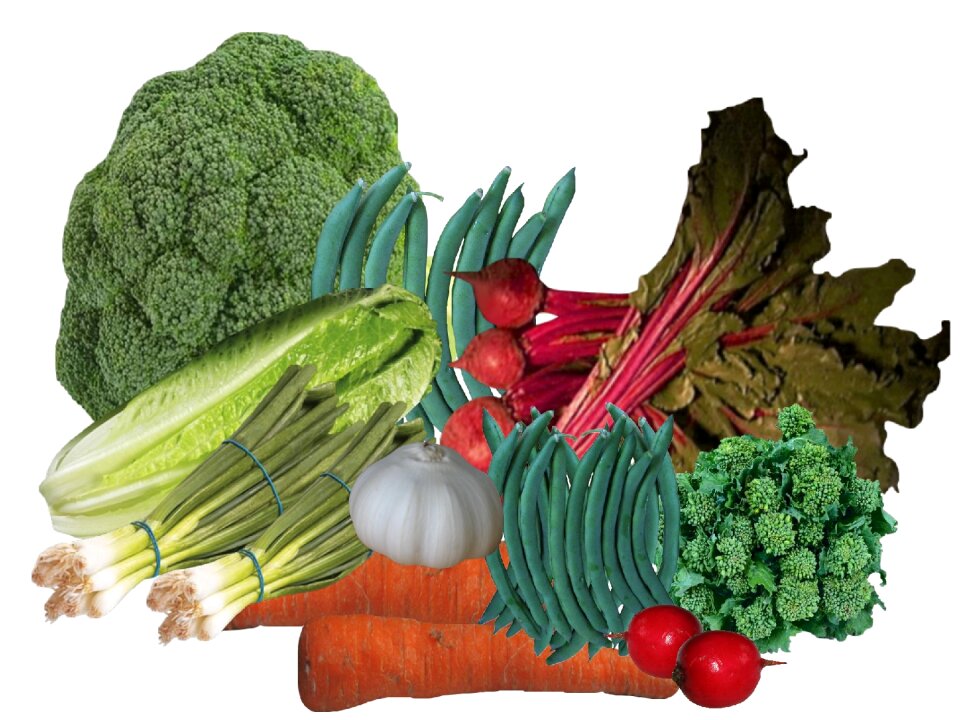
Intelligenti Rimedi Cause are packed with essential nutrients and offer numerous health benefits. These remedies aren’t just about masking symptoms they work to find and treat the root issues behind illnesses. Many people turn to these approaches because they seek gentle, effective options that support the body’s natural healing process.
Their origins trace back to ancient practices that prioritized understanding the body as a whole. Over time, these methods have gained new interest as science uncovers how body systems connect. Today, they are used to treat a range of conditions, from chronic fatigue to digestive issues, by targeting what truly makes us healthy or unwell.
guide you through what Intelligent Remedies are, how they evolved, and why they can make a real difference. We’ll clear up some common myths and show how focusing on causes can lead to better health. If you’re looking for solutions rooted in nature and logic, this is a path worth exploring.
What Are Intelligent Remedies?
Intelligent remedies are natural treatments designed to target the root causes of health issues. Unlike quick fixes that only hide symptoms, these remedies aim to restore harmony within the body. They rely on the idea that true healing comes from understanding the underlying imbalances rather than just addressing the outward signs of illness.
These approaches are rooted in traditional medicine but are now supported by modern research. They use plants, minerals, and natural substances for their healing properties. The core idea is simple: when the body is treated as a whole, it can recover more completely.
Think of these remedies as a gentle guide that helps the body heal itself. They work with nature, not against it. This is what makes them appealing simple, effective, and safe. As more people look for natural options, these remedies gain recognition for their ability to support lasting health.
The Roots of Natural Healing
The use of plant based treatments stretches back thousands of years. Ancient cultures understood the healing power of nature and used herbs, roots, and minerals to treat illness. These methods were based on careful observation and tradition, passing down knowledge from generation to generation.
For example, Chinese medicine has long used herbs like ginseng and dang gui to strengthen the body and improve energy. Similarly, Ayurvedic medicine in India uses a mix of herbs, oils, and diet changes to balance the body’s energies. These techniques focus on restoring harmony between mind, body, and spirit.
European folk medicine also relied heavily on plants. From chamomile for digestive issues to garlic for immunity, traditional remedies often involved simple, natural ingredients. These practices shared a common belief that nature holds the answers to health problems.
The reliance on natural remedies in these cultures was more than just superstition. They traced their success to the understanding that plants contain complex compounds capable of healing and restoring balance. Many of these traditions survive today, proving their effectiveness over centuries.
Modern Perspectives and Integration
Today, natural remedies are not just a thing of the past. Scientists study how specific plants and natural substances affect the body on a chemical level. Many ingredients once used in folk medicine now have the backing of scientific research. For example, turmeric’s anti inflammatory properties are well documented.
Medicine today is moving away from a focus solely on pharmaceuticals. More practitioners are encouraging the use of plants, supplements, and holistic therapies alongside conventional treatments. This integration aims for a balance that treats both symptoms and causes.
The shift reflects a growing understanding that health is more than just the absence of disease. It involves a state of well being that considers nutrition, mental health, and lifestyle. Using natural remedies as part of this approach makes sense, especially when treatments are safe and based on evidence.
In this way, modern medicine respects tradition while also applying scientific rigor. This partnership creates options for those seeking less invasive, more natural ways to stay healthy. It shows that respecting the wisdom of the past can go hand in hand with the discoveries of today.
Common Causes of Illness and How Remedies Address Them
Understanding why we fall ill helps us see how natural remedies can support lasting health. Many health issues stem from imbalances within the body, the environment we live in, or our lifestyle choices. Remedies are designed to identify and restore balance, tackling the root causes of illness rather than only masking symptoms.
Imbalances and Nutritional Deficiencies
Our bodies operate like finely tuned machines. When vital nutrients are lacking, or internal systems are out of sync, health begins to suffer. Common imbalances include deficiencies in vitamins, minerals, or digestive health. For example, a lack of vitamin D can weaken the immune system, making it easier to get sick. Gut health problems, like poor digestion or insufficient good bacteria, can lead to fatigue, allergies, or skin issues.
Natural remedies help rebalance these issues by supporting the body’s ability to heal itself. Supplements like vitamin rich herbs or fermented foods promote better nutrient absorption. Herbs such as ginger and turmeric fight inflammation, while peppermint can soothe digestion. These remedies work gently but effectively, encouraging the body to restore its natural harmony without relying on synthetic drugs.
By replenishing missing nutrients and supporting gut health, remedies strengthen the body’s defenses and improve resilience. When the body is in tune, illnesses find it harder to take hold.
Environmental Factors and Pollution
Many health problems come from the environment we breathe, eat, and touch every day. Toxins from pollution, heavy metals, pesticides, and chemicals infiltrate our bodies slowly but surely. These pollutants stress the immune system, damage cells, and create inflammation, which opens the door to chronic diseases like asthma, allergies, or even heart problems.
Remedies aimed at detoxification help clear these harmful substances from the body. Plant based solutions, like milk thistle or dandelion root, support liver function our body’s main detox organ. Antioxidant rich foods and herbs, including berries and green tea, help neutralize free radicals caused by pollution. An active lifestyle and fresh air also reduce toxin buildup.
Building immunity is key when fighting environmental damage. Remedies that boost immune health, like echinacea or goldenseal, help the body defend itself. The goal is to support natural cleansing processes so your body can handle daily environmental stressors without falling sick.
Stress and Emotional Well being
Stress is not just an emotional issue it’s a physical problem too. When you feel overwhelmed or anxious, your body’s stress response kicks in, releasing hormones like cortisol. Chronic stress keeps these hormones elevated, which can suppress immunity, disturb sleep, and lead to physical ailments like headaches, muscle tension, or stomach problems.
Addressing mental and emotional health with remedies helps reduce this toll. Herbs such as valerian root or chamomile promote relaxation and mental clarity. Gentle practices like mindfulness or breathing exercises improve emotional resilience. These remedies don’t just calm the mind they also restore balance to your entire body, supporting better sleep and a stronger immune response.
When stress levels are controlled, your body is less likely to fall into illness. Emotional stability creates a foundation where physical health can thrive naturally.
Healthy living starts with understanding what throws your body off balance. Remedies work best when they target what causes illness whether it’s nutrition gaps, environmental toxins, or mental stress. Restoring natural harmony leads to a stronger, more resilient you.
Choosing the Right Remedies for Your Needs
Selecting the best natural remedy depends on understanding your unique health picture. Each person’s body reacts differently, so what works for one may not work for another. Finding the right fit is a process of listening to your body, knowing your health goals, and being mindful of your lifestyle.
Making this choice wisely can make a difference in how you feel and how effectively you heal. It’s about making informed decisions instead of just guessing. Below are key points to help you identify what remedies suit you best.
Assessing Your Personal Health Needs
The first step is getting clear about your symptoms and health ambitions. Write down what you notice fatigue, digestion troubles, mood swings, or persistent aches. Observe how these symptoms change through the day or week. Do certain foods or activities seem to affect you?
Tracking these details over time helps identify patterns. Keep a simple journal: note your symptoms, what you eat, your mood, and sleep quality. This record acts as a map to uncover the root causes.
Knowing your goals guides your choices. Do you want more energy, fewer headaches, better sleep, or less stress? Pinpointing your aims makes it easier to find remedies that fit your needs.
Remember, remedies aren’t a quick fix. They work best when they support your body’s natural ability to heal. Be patient and consistent in tracking your progress. When you notice what improves your symptoms, it confirms you’re on the right track.
Natural vs. Herbal Remedies
Natural remedies cover a broad range of approaches. Some involve simple lifestyle tweaks like changing your diet, practicing breathing exercises, or getting more sunlight. These broad natural methods aim to improve your overall health.
Herbal remedies are more specific. They use plants known for their healing properties. For example, chamomile can calm nerves, while ginger helps reduce inflammation. These remedies are concentrated forms of nature designed to target particular issues.
Safety and effectiveness are key considerations here. While herbal remedies tend to be gentle, they are active substances. Always check for possible interactions with medications or health conditions. Some herbs might not be safe during pregnancy or for certain health problems.
Choosing between broad natural approaches and specific herbal solutions depends on your symptoms and safety considerations. A general natural lifestyle change might be enough for mild issues. For more persistent or serious concerns, targeted herbal remedies may be more effective.
It’s wise to research and consult trusted sources or health professionals before starting any herbal supplement. This helps avoid pitfalls and ensures you’re selecting safe, effective options.
Integrating Remedies Safely
Once you find remedies that seem suitable, think about how to incorporate them into your routine. Natural remedies often work best when combined with a balanced diet, regular exercise, and good sleep. They should complement your existing medical treatments, not replace them blindly.
Always talk to a healthcare provider before adding new herbs or supplements, especially if you’re already on medication or have ongoing health issues. This prevents undesirable interactions or side effects.
A good rule is to start slowly. Introduce one remedy at a time, and give your body time to adjust. Watch for any reactions or improvements. Remember, natural doesn’t mean risk free. Even gentle remedies can cause unexpected effects if used improperly.
Balancing traditional medicine with natural approaches creates a safe, effective path to healing. Your health professional can help design a plan that’s tailored to your needs, ensuring safe, steady progress.
Avoid shortcuts or relying solely on quick solutions. Lasting health takes patience, awareness, and a thoughtful approach to remedies. When used correctly, these natural solutions can support your body in healing itself naturally and effectively.
Real Results and Myths About Intelligent Remedies
When considering natural remedies, many seek proof. They want proof that these solutions work. But many myths about these remedies still circulate. Sorting fact from fiction is essential. Real results show they can support true healing. False beliefs can lead to disappointment or misuse. This section clears up misunderstandings and shares true stories of change. It helps you see how these remedies can truly make a difference.
Success Stories and Case Studies
There are many stories of people who found relief through natural remedies. Take Lisa, for example. Struggling with chronic fatigue, she tried a simple combo of adaptogenic herbs like ashwagandha and rhodiola. Within a few weeks, she noticed more energy and less stress. Her sleep improved, and her mind felt clearer. What made her journey work was patience and consistency.
Then there’s Peter. He had ongoing digestive issues. After switching to a diet rich in fermented foods and adding ginger and turmeric supplements, he saw dramatic changes. His bloating lessened, and he felt more comfortable after meals. These transformations didn’t happen overnight but were sustainable. They reflect the power of addressing causes, not just symptoms.
Scientific studies support these stories. Researchers find that herbal treatments like milk thistle can protect the liver from toxins. Omega 3 fatty acids, found in flaxseed and fish oil, fight inflammation and improve mood. These findings back up what many experience firsthand: natural remedies often provide gentle, lasting change.
Success isn’t always immediate. It often involves patience, experimenting, and listening to the body. For many, finding the right mix of herbs, lifestyle tweaks, and rest leads to better health over time.
Addressing False Beliefs and Misinformation
One big myth is that natural remedies are always safe. The truth is, just because something is natural doesn’t mean it’s risk free. Herbs can interact with medications or cause allergic reactions. For example, St. John’s Wort can interfere with antidepressants. Without proper knowledge, you risk doing more harm than good.
Another misconception is that remedies are always faster or better than conventional medicine. Natural solutions often take time. They work by slowly restoring balance, not providing instant cures. Expecting quick fixes can lead to frustration.
People also think remedies can replace medicine entirely. This is false. Natural approaches work best when used alongside a healthcare plan. They support your body’s ability to heal but aren’t magic bullets for serious illnesses.
Misleading claims often promise effortless cures. Be wary of products labeled as “miracle” solutions or ones that have no scientific support. Instead, base your choices on reputable sources and verified research.
Understanding realistic expectations helps avoid disappointment. Natural remedies aren’t a quick ticket to perfect health. They are tools your body can use to heal itself better. Respect their limitations and use them wisely.
The Way Forward with Intelligent Remedies
Moving ahead means making safe, informed choices. Use remedies as part of a balanced lifestyle one that includes good nutrition, exercise, and rest. Treat remedies as partnerships with your body, not magic solutions.
Stay curious and learn. Scientific research keeps expanding our understanding of how plants and natural substances work. Keep up with trusted sources, and don’t hesitate to ask health professionals for guidance.
Start small. Introduce one remedy at a time and observe how your body reacts. Be patient. Healing takes time and consistency. Write down what changes you notice, both good and bad. This helps you decide what works best for you.
Safety comes first. Always check with a healthcare provider if you’re on medication or have existing health issues. Natural does not mean risk free. Combining traditional and natural methods offers a balanced way to improve health.
Celebrate progress, no matter how small. Whether it’s better sleep, less stress, or fewer aches, each step gets you closer to lasting health. Remember, natural remedies are part of a bigger picture. They work best when paired with a healthy lifestyle and ongoing learning. That way, you reclaim your well being, naturally and steadily.
Choosing natural remedies rooted in understanding causes can lead to better health over time. They help restore balance when the body faces deficiencies, pollution, or stress. While they are gentle, effectiveness depends on patience, consistency, and proper guidance.
It’s important to remember that these remedies support your body’s natural ability to heal. They aren’t magic cures but tools that work best alongside healthy habits and medical advice. Making informed decisions turns natural healing into a steady journey.
Staying curious and cautious offers the best chance for lasting well being. Every step toward understanding your needs strengthens your confidence. We all have the power to improve health naturally, as long as we respect the process.