Intelligenti Caratteristiche La salute
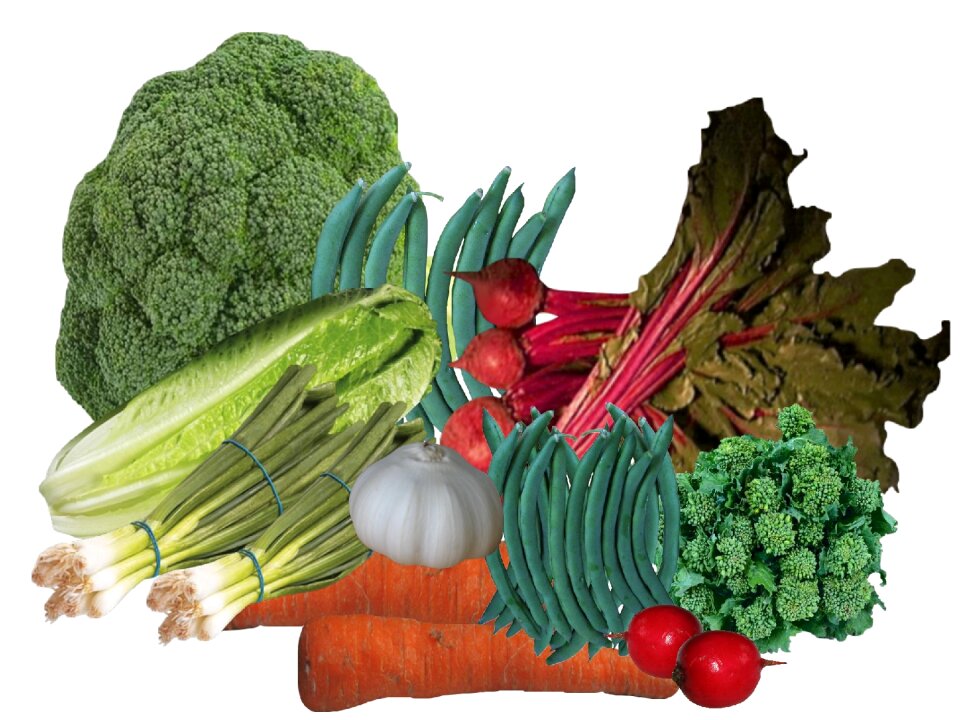
Intelligenti Caratteristiche La salute are packed with essential nutrients and offer numerous health benefits. It’s about feeling strong, energized, and ready for whatever the day brings. Many overlook the importance of smart choices that promote long term well being.
In this post, we’ll look at the key traits that define healthy living. These qualities help us stay balanced and resilient in everyday life. Understanding what makes health sustainable can lead to better habits and a happier life.
Understanding Intelligent Lifestyle Choices
Living intelligently isn’t about being perfect or overly cautious. It’s about making thoughtful decisions that support your health today and help protect it tomorrow. When you choose to act with purpose, your daily habits transform into steps toward a stronger, more balanced life. This approach isn’t about sudden changes but about small, smart choices that add up over time.
Knowing what it truly means to live smart can boost your confidence and bring clarity to your health routines. Let’s explore what it involves and how you can start making smarter health decisions today.
What Does Living Intelligently Mean?
Living intelligently is about making decisions based on clear understanding and awareness. It requires knowing what your body needs and choosing actions that support that. It’s not about following every health trend blindly but about understanding what works best for you individually.
Think of it as being a good driver on a busy road. You stay alert, anticipate risks, and adapt your speed and direction based on the situation. Similarly, smart health choices involve paying attention to your body’s signals and adjusting your habits accordingly.
It’s also about balancing different parts of your life. Nutrition, exercise, rest, mental health each one influences the others. A person who lives intelligently recognizes this connection. They seek steady progress rather than quick fixes, understanding that sustainable habits lead to better long term health.
The core of living smart is being intentional. Every small choice becomes part of a bigger plan for a healthier life. It’s about asking yourself questions like: Is this choice making me stronger? or Will this habit help me feel better in the long run?
Simple Steps to Make Smarter Health Decisions
You don’t need to overhaul your entire life overnight. Start small. Here are some straightforward steps to guide your journey toward smarter living:
- Stay informed but critical. Read up on health topics, but remember that not all advice fits everyone. Find what feels right for your body and your goals.
- Listen to your body’s signals. Notice what makes you feel energized or tired. Use that information to choose foods, activities, and rest times.
- Plan your meals and activity. Instead of reacting to hunger or fatigue, have a plan. Prepping healthy snacks or scheduling workouts keeps you on track.
- Prioritize consistency over perfection. It’s better to do a little every day than to aim for ideal health once in a while. Small daily habits build a strong foundation.
- Stay curious and open. Try new foods, workout routines, or relaxation techniques. Fresh experiences can reveal what truly supports your well being.
- Manage stress smartly. Find simple ways to lower stress deep breathing, walking, or even a few quiet minutes. Reducing stress improves your health in many ways.
- Avoid extremes. Balance is key. Extreme diets or punishing workouts might lead to burnout. Instead, aim for moderation and sustainability.
Making smarter decisions isn’t about searching for perfect answers. It’s about trusting your judgment, being aware, and choosing habits that support your well being now and in the future. Each small step builds confidence and keeps you moving forward.
The Role of Nutrition in Smart Health
Good health relies heavily on what we put into our bodies. Nutrition acts as the foundation for energy, recovery, and long term vitality. When you eat thoughtfully, you’re giving your body what it needs to perform at its best. Proper nutrition isn’t about strict rules or deprivation; it’s about understanding how to make food choices that support your overall well being.
Fueling your body with the right foods helps you feel alert, keeps your immune system strong, and prevents many chronic issues later in life. When you think about smarter health, it begins with awareness of how nutrition influences every part of your life. It’s about turning food into power, not just taste or habit.
Choosing the Right Foods for Your Body
Every person’s body is unique. What works for one person may not work for another. That’s why choosing the right foods is a personal journey. It starts with paying attention to how different foods make you feel. Do you feel energized after eating certain meals, or do you often feel sluggish?
Priority should be given to whole, unprocessed foods. These include fruits, vegetables, lean proteins, whole grains, and healthy fats. These foods are packed with essential nutrients, vitamins, and minerals your body needs to operate smoothly. Avoid foods with added sugars, excessive salt, and unhealthy fats that can lead to inflammation and health issues over time.
Focus on creating a colorful plate. Each color represents different nutrients that support various functions in your body. For example, leafy greens boost your immune system, berries provide antioxidants, and nuts give you healthy fats.
Eating mindfully is also key. Slow down and savor each bite. This helps you recognize when you’re truly hungry or full, reducing overeating and improving digestion.
Breaking Down Balanced Diets and Meal Planning
A balanced diet isn’t complicated once you understand its basics. It’s about balancing macronutrients carbohydrates, proteins, and fats and including enough micronutrients like vitamins and minerals.
Think of your daily meals as a puzzle. Each piece should fit together to make a complete picture of support, energy, and recovery. A simple rule is to fill half your plate with vegetables and fruits, then add a serving of lean protein and a portion of whole grains.
Meal planning makes this easier. By preparing meals in advance, you avoid impulsive judgments and unhealthy choices. A well thought out plan ensures you get a variety of nutrients while sticking to portion sizes that support your goals.
Some tips for effective meal planning:
- Start with a weekly grocery list focusing on nutrient dense foods.
- Batch cook to save time and reduce stress during busy days.
- Include snacks that fuel your body without excess sugar or empty calories.
- Mix and match ingredients to keep meals interesting and prevent boredom.
- Pay attention to portions. You don’t need large servings to feel satisfied.
A balanced diet doesn’t mean restriction. It means choosing foods that nourish and satisfy you, creating habits that you can sustain. Over time, these small, mindful choices reinforce good health and make smart living easier.
Incorporating Movement into Daily Life
Moving your body regularly is one of the simplest ways to boost your overall sense of well being. No need for intense workouts or hours at the gym. Small, consistent bursts of activity throughout the day can make a big difference. Think about taking the stairs instead of the elevator, parking further away from store entrances, or doing stretching exercises during breaks.
Find ways to sneak movement into routines you already do. Walk while talking on the phone, or dance for a few minutes before dinner. These little actions create a ripple effect that keeps your body active and your mind clear. The goal is to make movement feel natural rather than a chore. When your body moves more often, you notice improved energy, better mood, and even sharper focus.
Try to set a routine that encourages regular activity. Even just ten minutes of brisk walking daily can lift your spirits and strengthen your heart. It’s about making movement part of your everyday rhythm, turning a sedentary life into a more active one that fuels your sense of well being.
Finding Exercise That Fits Your Style and Schedule
The best exercise easily becomes part of your life when it matches your personality and daily routine. Not everyone enjoys running, and that’s okay. Some find joy in yoga, others prefer cycling or simple strength training at home. The key is to discover what energizes you instead of feeling like an obligation.
Look for activities that fit your schedule without adding stress. If mornings are busy, consider quick workouts during lunch or short routines in the evening. The idea is to keep it simple, not complicated. Even 15 minute sessions can help improve your mood and boost your health.
If working out alone isn’t appealing, try finding a buddy. Exercising with someone keeps you accountable and makes it more fun. Or, simply change your environment. Take walks in a park, join a local sports club, or dance in your living room.
The goal is consistency. When exercise feels good, it’s easier to stick with it. Think of it as a form of self care not a punishment, but a way to nurture your body and mind. Over time, this habit builds confidence, lifts your mood, and improves your health in lasting ways.
Mental and Emotional Wellness as Key Factors
Taking care of your mind and emotions is just as important as physical health. When your mental state is balanced, it fuels your ability to face daily challenges and stay positive. Good mental health doesn’t mean being happy all the time. It’s about managing stress, feeling connected, and building resilience. When you understand how to nurture your emotional well being, it becomes easier to handle life’s ups and downs with confidence.
Focusing on mental and emotional wellness creates a cycle of strength. When your mind is in good shape, your physical health improves, and vice versa. It’s a foundation that supports every part of your life.
Building Resilience and Managing Stress
Resilience is like a muscle that grows stronger with use. It helps you bounce back from setbacks and keep moving forward. Building resilience isn’t about never feeling overwhelmed; it’s about learning how to cope better when life throws challenges your way.
To develop resilience, start by changing how you see setbacks. Instead of viewing them as failures, see them as part of growth. Reflect on what you can learn from difficult experiences. Building this mindset helps you handle stress more effectively.
Managing stress involves simple but consistent strategies. Deep breathing exercises, for example, calm your nervous system and bring clarity. Taking short breaks during busy days prevents stress from piling up. Exercise, even a quick walk, releases mood boosting chemicals. Connecting with loved ones offers emotional support. Every small action counts.
Some key tools to handle stress better include:
- Deep breathing and counting. Focus on slow, deliberate breaths to relax your mind.
- Time in nature. Time outside reduces anxiety and improves your mood.
- Physical activity. Moving your body helps clear your mind and reduce tension.
- Creating routines. Predictable daily habits give a sense of stability.
- Limiting negative influences. Cut back on social media or news that increases anxiety.
Resilience isn’t built overnight. It’s a daily practice of accepting what you cannot control and focusing on what you can. When you face setbacks with calm and patience, your emotional strength grows stronger.
Practicing Mindfulness and Self Care Routines
Mindfulness is about being present in each moment, without judgment. It helps you tune into your feelings without getting overwhelmed by them. Practicing mindfulness regularly rewires your brain to handle stress better and stay calmer.
Simple mindfulness exercises include focusing on your breath or paying attention to your senses. For example, notice the texture of your food or sounds around you. These quick practices calm your mind and reduce anxiety.
Alongside mindfulness, regular self care routines keep your emotional health intact. Self care isn’t just about taking breaks; it’s about intentionally making time for activities that restore you. Whether that’s reading, listening to music, or journaling, find what relaxes and energizes you.
Create a self care plan with these ideas:
- Set aside calm moments every day for reflection or meditation.
- Limit screen time especially in the evening to improve sleep.
- Maintain social connections with friends and family who lift you up.
- Engage in hobbies that bring joy and a sense of achievement.
- Practice gratitude by noting positive moments each day.
Building a mindful approach to life helps you stay grounded. Self care routines, when made consistent, boost your emotional health and foster a sense of well being. These habits aren’t just luxuries they are essential parts of staying mentally strong through every stage of life.
Preventive Care and Personal Health Management
Taking control of your health means more than just fixing issues as they arise. Preventive care and personal health management are about acting early, spotting potential problems before they become serious, and building habits that keep you healthy over time. It’s like tending a garden; regular attention keeps the plants strong and prevents weeds from taking over. When you prioritize your health today, it sets the stage for a happier, longer life tomorrow.
Importance of Regular Check Ups and Screenings
Visiting your doctor regularly isn’t just about emergencies. It’s about catching small problems early before they grow into bigger ones. Think of these visits as routine maintenance for your car. You don’t wait for the engine to sputter before taking it to the mechanic. Similarly, regular check ups help keep your body running smoothly.
Screenings such as blood pressure tests, cholesterol checks, or mammograms can reveal issues you might not see or feel. These are tools to address concerns early. The earlier you identify a risk, the easier it is to manage or even prevent it.
Making these appointments a habit can feel like a small effort that pays off big. Schedule annual visits, follow through on recommended tests, and stay proactive about your health. It’s about creating a routine that keeps you alert to your body’s signals. In the long run, this simple step can save time, money, and discomfort.
Tracking Health Goals and Staying Motivated
Good health doesn’t happen by chance. It’s built on daily choices, and tracking those choices helps you stay on course. Setting clear, realistic goals makes the journey manageable. Whether it’s drinking more water, walking daily, or eating more vegetables, knowing what you want to achieve keeps you focused.
Use simple tools like a journal, smartphone apps, or a calendar to keep track of your progress. Celebrate small wins. Noticing that you’ve consistently taken the stairs or declined sugary snacks can build momentum. These wins act as small boosts that push you toward bigger changes.
Staying motivated can be as simple as reminding yourself why you started. Some find inspiration in how they want to feel, look, or perform. Seeing visible progress offers a sense of achievement. When progress slows, reflect on your reasons and adjust your plan if needed. It’s about making health a part of life, not just a temporary goal.
Small, consistent steps matter. When you monitor your habits and celebrate your efforts, you turn good intentions into lasting routines. This ongoing effort earns trust in your ability to care for yourself, every day.
Living smart about your health means making everyday choices based on awareness and understanding. It’s about small, consistent actions rather than quick fixes. By focusing on good nutrition, regular movement, mental balance, and preventive care, you build a foundation for lasting well being. These habits help you feel stronger, more energized, and ready for life’s challenges. Keep learning and listening to your body, and don’t forget to celebrate your progress along the way. Your health is a journey that begins with intentional steps today.