Innovativi Metodi Il benessere L\’ambiente
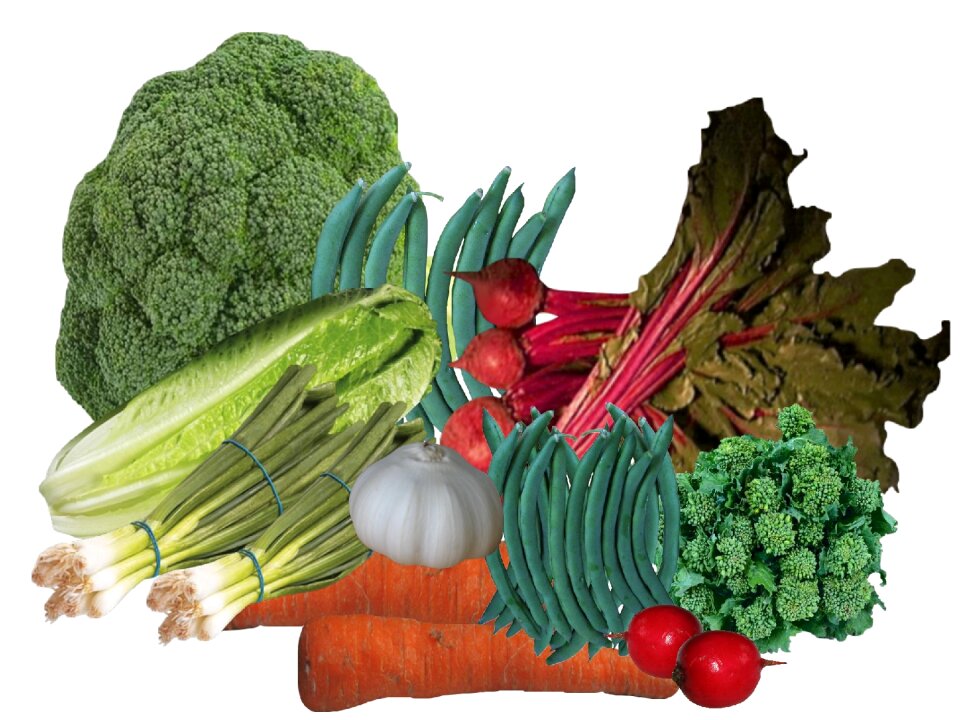
Innovativi Metodi Il benessere L\’ambiente are packed with essential nutrients and offer numerous health benefits. These approaches do more than focus on individual health. They show how caring for nature can support our overall happiness and mental health. As awareness grows, these innovative strategies become more important for building healthier communities. They make us see that a cleaner, greener world isn’t just good for the planet. It also helps us feel better every day.
Innovative Approaches to Personal Well Being and Environmental Harmony
Building a healthier world isn’t just about policies or large scale projects. It’s about small, thoughtful actions integrated into everyday life. These methods connect our well being directly with caring for the environment. The goal is simple: live more meaningfully while protecting the planet at the same time. Several new trends are making this possible, blending nature with daily routines in ways that feel natural and sustainable.
Green Spaces and Urban Nature Integration
Cities are changing. They are becoming greener adding parks, green roofs, and natural elements to urban spaces. These green patches are more than pretty scenery. They serve as places of refuge and calm amid city noise and chaos. Spending time in these natural spots lifts spirits and improves mental health. Looking out over a park or walking barefoot on grass can reset your mood and clear your mind.
Many cities now recognize this link. They install green roofs on buildings, turning concrete rooftops into gardens. These spaces keep buildings cooler and provide city wildlife a habitat. Parks are expanding, and sidewalks are lined with trees. All these efforts make it easier to incorporate nature into daily life. When nature is close, spending time outdoors feels less like a luxury and more like a necessity.
Eco Friendly Technology in Daily Life
Sustainable gadgets and appliances are transforming how we live. Thinking eco friendly isn’t just about saving energy; it’s about improving our quality of life in the process. For example, energy efficient lights or smart thermostats cut energy bills while keeping homes comfortable. Eco conscious materials, like recycled plastics or sustainably sourced wood, reduce waste and pollution.
Using eco friendly technology offers key benefits:
- Better air and water quality.
- Reduced carbon footprint.
- Higher physical comfort and mental well being.
Innovations like composting bins or solar powered chargers make it easier to adopt greener habits. They don’t force you to change your routine; instead, they enhance it. Living sustainably becomes seamless, helping us feel good about making small choices that add up to big impacts.
Mindfulness and Nature Connection Practices
More than ever, people are finding ways to reconnect with nature as a way to reduce stress. Outdoor meditation, ecotherapy, and nature focused mindfulness are gaining popularity. These practices don’t require special skills just time and a bit of curiosity.
Outdoor meditation takes the usual practice and moves it outside. Sitting under a tree or along a riverbank helps quiet the mind while immersing you in natural sounds and sights. Ecotherapy plants you in the moment, encouraging a sense of grounding through direct contact with nature. It can be as simple as planting flowers or taking a walk in the woods.
These routines remind us that spending time outdoors isn’t just good physically but also heals emotionally. Nature provides a gentle backdrop that fosters calmness, clarity, and even a renewed sense of purpose. Regular practice helps lower stress levels and boosts overall happiness, making care for ourselves and the Earth feel like one simple act.
Community and Policy Innovations for Sustainable Living
Creating a sustainable future depends on the choices we make both as individuals and as communities. It’s about reshaping how we think about space, resources, and education. When communities come together, they can build systems that make green living easier and more appealing. Governments and local groups can set policies that encourage innovation and support healthier, greener neighborhoods. These efforts turn idea into action and inspire everyone to join in.
Urban Agriculture and Local Food Systems
Community gardens, rooftop farms, and farmer’s markets are making fresh, healthy food more accessible. These spaces bring people together around growing food, creating a stronger sense of connection. They also cut down on the pollution caused by transporting food from distant places.
Urban agriculture offers a lot of benefits. It improves access to nutritious food, reduces waste, and teaches sustainability. Cities are planting vegetables and herbs in vacant lots or on rooftops. Vertical farms are springing up in unused building cores, stacking crops high to conserve space. These farms produce food close to where people live, cutting carbon footprints.
Local markets support small farmers and eliminate the middlemen. They offer seasonal produce and foster a sense of community. When people buy fresh, local food, they’re also reducing packaging waste and supporting a cycle of sustainable production. These efforts are more than just about food they create resilient neighborhoods where everyone shares responsibility for the environment.
Green Building Standards and Eco Centric Planning
Building smarter is now a necessity. Cities are adopting standards that require new buildings to be energy efficient and environmentally friendly. Certifications like LEED or BREEAM set clear guidelines for reducing water use, improving air quality, and using sustainable materials.
Eco districts are neighborhoods planned from the ground up to be green. They focus on walkability, shared transportation, and energy efficient infrastructure. Policy incentives, such as tax breaks or grants, encourage developers to build with the environment in mind. Schools, offices, and homes all become parts of a bigger system that aims to lower energy use and pollution.
Smart planning prioritizes pollution reduction, natural light, and green spaces. It recognizes that sustainable growth doesn’t mean sacrificing comfort. Instead, it creates urban areas that are healthier to live in and easier on the planet. Mix this with community involvement, and urban spaces transform into places people are proud to call home.
Educational Programs on Environmental and Personal Wellness
Knowledge is power. Communities that invest in education programs teach both children and adults how to lead healthier, greener lives. Schools incorporate lessons about climate change, recycling, and conservation into daily routines. Students learn why sustainability matters early on and how they can make a difference.
Programs for adults focus on simple habits, like composting, reducing plastic waste, or choosing public transportation. Workshops and community events make these ideas feel practical and achievable. Some programs even include gardening projects, so participants get their hands dirty and see firsthand how plants grow.
Public campaigns promote mental health alongside environmental care. For example, campaigns about spending time outside highlight how connecting with nature reduces stress. These efforts build a culture that naturally values sustainability and wellness. When everyone understands the stakes and feels equipped, it sparks a shift toward more mindful, environmentally friendly choices.
These community led innovations and policies are shaping a more sustainable way of living. When people work together and governments support forward thinking initiatives, the impact grows. It creates a world where caring for the environment becomes second nature just part of daily life.
Future Trends in Personal and Environmental Well Being
As awareness increases about the connection between our health and the planet, new ideas are shaping how we live. It’s not just about individual habits anymore. The future points toward integrated ways to make daily life healthier for us and better for the environment. Let’s look at some of the most promising trends emerging now.
Smart Homes and Personal Health Tech
Smart devices are changing the way we watch over our health. Wearable gadgets, like fitness trackers and smartwatches, monitor heart rates, sleep patterns, and activity levels automatically. These devices are more than just helpful tools. They encourage us to develop eco friendly habits too.
Imagine waking up and your smart home adjusts the temperature to save energy. Your smart mirror shows your mood and offers tips for a healthier day. Smart water meters alert you to conserve water. This kind of technology helps us see the impact of our choices instantly.
More than just convenience, these tools push us toward sustainability. They motivate us to reduce waste, save energy, and adopt healthier routines. When our homes become personal health hubs, caring for ourselves and the environment becomes part of everyday life.
Bioarchitecture and Eco Design Innovation
The way buildings are designed has a big role in future well being. Bioarchitecture focuses on creating spaces that feel natural and promote comfort. These designs use materials and techniques that blend with nature, rather than fight against it.
New building ideas include natural ventilation, daylight optimization, and green roofs. These features lower energy use, improve air quality, and create calming environments. Imagine living in a house where sunlight filters in just right, and fresh air flows in without the need for energy intensive systems.
Eco design also considers the full life cycle of materials. Recycled, non toxic, and locally sourced resources are prioritized. The goal is to reduce waste and pollution while making spaces that promote feeling relaxed and balanced.
This approach turns buildings into health hubs. They respond to our needs naturally and respect the environment. The result is a living space that nurtures both body and mind, with less harm to the planet.
Community Driven Environmental Wellness Projects
Local projects have a powerful role in shaping healthier communities. These initiatives bring people together around sustainability and shared well being. They often involve planting trees, creating community gardens, or organizing clean up days.
Community gardens shift the focus to growing fresh food nearby. They connect people to the land and promote healthy eating. Rooftop farms on apartment complexes turn unused space into sources of fresh produce. These projects foster a sense of ownership and pride.
Shared efforts around sustainability encourage cooperation and education. Many towns now have programs to teach kids about planting, recycling, and conserving water. These programs instill habits that last a lifetime.
When neighborhoods work together, they set examples that ripple outward. These efforts lead to cleaner streets, greener parks, and stronger bonds among residents. A community that cares about its environment also nurtures the mental and physical health of its people. It creates spaces that welcome everyone, fostering a sense of connection and shared purpose.
These future trends show a world where health and the environment go hand in hand. They paint a picture of living spaces and communities that promote well being naturally. It’s clear how embracing these changes can create healthier, happier lives for all of us.
Innovation is reshaping how we connect our health with the environment. These new ideas are not just improvements; they are building blocks for a better future. When we create spaces that combine nature with everyday life, we improve our mood, reduce stress, and strengthen our communities. Small changes like planting trees, using eco friendly tech, or supporting local food growings add up.
Taking action now means choosing to live in ways that benefit both ourselves and the planet. Every effort counts toward healthier lives and cleaner surroundings. Think about what small step you can take today to promote well being and protect the environment. As we move forward, let these innovations remind us that a happier world starts with simple, deliberate choices. Thank you for being part of this journey toward a more vibrant, sustainable future.