Importanti Cause Caratteristiche
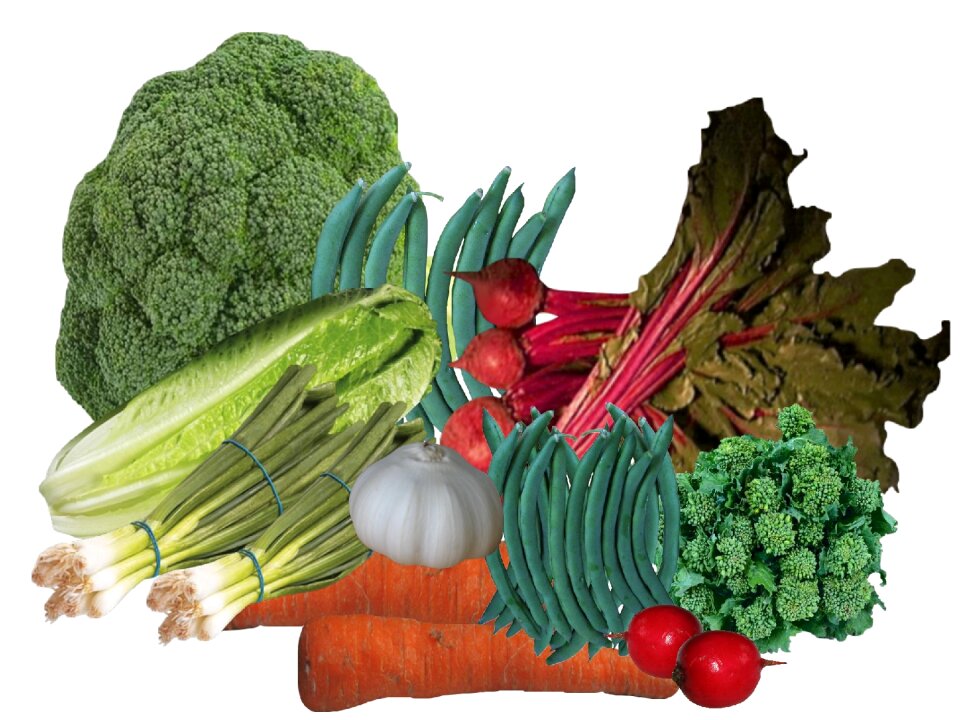
Importanti Cause Caratteristiche are packed with essential nutrients and offer numerous health benefits. When we know the main factors behind a result, it’s easier to plan, adjust, and improve. Recognizing these causes and features can turn guesswork into clear, confident action.
highlight the key reasons that shape results in different situations. By understanding these traits, you’ll gain better control over outcomes, whether in work, projects, or your personal goals. Clear insight makes a difference, leading to better decisions and stronger results.
Defining Causes and Characteristics
Understanding what drives success or failure starts with grasping two core ideas: causes and characteristics. These words might seem simple, but they shape how we see outcomes and what we can do about them. Let’s break them down in clear terms.
Understanding Causes
Causes are the factors that produce a specific result. Think of them as the ingredients in a recipe. If you want to bake a cake, the eggs, flour, sugar, and baking soda are the causes that lead to the finished dessert. Remove or change one, and the outcome will change too.
In different fields, causes look a little different:
- In business, causes could be a new marketing strategy or a product improvement that boosts sales.
- In health, causes might include regular exercise or a balanced diet that improves well being.
- When it comes to personal growth, causes could be practicing daily habits or adopting a positive mindset that helps you progress.
The key point is that causes are the direct reasons behind a result. Sometimes, identifying the cause is simple. Other times, outcomes are shaped by a mix of causes working together, making it harder to spot the most important factors.
Key Characteristics of Outcomes
While causes are the reasons behind results, characteristics describe how outcomes look and behave. They are traits that often hint at what led to a success or failure.
Think of outcomes as a report card. Certain traits like consistency, effort, or timing stand out and help us understand if the result is likely to be successful or not.
Some common characteristics include:
- Consistency: Results that repeat often show reliability. For example, a salesperson who closes deals regularly is likely doing something right.
- Quality: High quality work tends to lead to better outcomes, such as customer satisfaction or repeat business.
- Timing: Acting at the right moment can turn the tide in your favor. Missed chances often lead to poorer results.
Patterns are essential here. When certain traits appear in successful outcomes repeatedly, they become indicators of what works. The same goes for unsuccessful results certain features often stand out as warning signs. Recognizing these patterns allows you to tweak your approach and aim for better results.
In essence, characteristics give us clues about what to focus on and how to improve. They can be the difference between a result that inspires confidence and one that leads to setbacks. Recognizing these features is a skill that can turn good intentions into clear, tangible success.
Major Causes of Success and Failure
Certain factors consistently push results toward success or set them up for failure. Recognizing these causes helps you focus your efforts more wisely and avoid common pitfalls. While no single cause guarantees success, patterns emerge across different areas of life and work. Here’s what tends to make the biggest difference.
Role of Planning and Preparation
Having a clear plan makes a big difference. When you take the time to prepare, you set a foundation that supports your goals. Planning helps you see potential obstacles before they appear, so you can come up with solutions early. It also guides your focus, ensuring your actions align with your desired results.
Detailed preparation includes setting specific goals, breaking them into smaller steps, and gathering resources. It involves thinking about what might go wrong and how to handle it. The more thorough your planning, the more confident you’ll feel when it’s time to act.
Successful outcomes often stem from preparation. People who organize their tasks and anticipate challenges tend to make better progress. They stay on track even when surprises happen. In contrast, rushing into things with little thought often leads to mistakes and setbacks.
Preparation isn’t just about doing your homework. It’s about making sure every step is clear and manageable. When you approach tasks with a well laid plan, your chances of reaching your goals increase significantly.
Impact of Attitudes and Mindset
Your attitude shapes everything you do. A positive outlook fuels motivation and keeps you moving forward, even when faced with setbacks. Believe in your ability to improve and succeed. This confidence tends to attract better results.
Resilience is another key trait. When failure happens, resilience lets you bounce back quickly. Instead of seeing mistakes as defeats, you view them as learning chances. A growth mindset fosters continual learning and adaptation.
Having the right mindset creates a ripple effect. When you think success is possible, you tend to act more confidently. You’re more willing to take the risks needed for growth. Conversely, a negative attitude can block progress and turn small problems into big failures.
It’s not just about feeling good; it’s about choosing a perspective that propels you forward. Your attitude influences how you respond to obstacles and setbacks. Success often belongs to those who see challenges as opportunities rather than reasons to give up.
Effect of External Factors
Outside influences play a major role in success or failure. The environment you are in, economic conditions, and social support all shape your results.
A positive environment can boost your efforts. Having access to supportive people, a quiet workspace, or helpful resources opens doors to success. When your surroundings are encouraging, you are more likely to stay motivated and focused.
Economic conditions matter, too. During good times, opportunities multiply. You might find it easier to get funding or attract clients. Tough economic periods, however, can put pressure on your resources and increase risks. Adjusting your plans during these times becomes essential.
Social support acts as a safety net. Whether from colleagues, friends, or family, encouragement and practical help keep you going. Conversely, a lack of support often leads to feelings of isolation, which can hinder your progress.
External factors are beyond direct control but influence outcomes strongly. Recognizing their effects allows you to adapt strategies or seek environments that support your goals. When you account for these influences, your chances of success grow stronger.
Characteristics That Predict Success or Failure
When it comes to reaching your goals, certain traits can give you a clear edge or set you back. These traits act like signs along the path, telling you what’s likely to work and what might lead to trouble. Recognizing these features makes it easier to focus your energy where it counts. Let’s explore the key characteristics that predict whether someone will succeed or face setbacks.
Discipline and Consistency
Discipline is about sticking to your plans, even when motivation drops or distractions appear. Think of it as building muscle each small effort adds up over time. Consistency means showing up every day, doing the work, and maintaining focus. These traits separate those who just dream from those who reach their goals.
Regular effort creates momentum. When you practice a skill daily or stick to a routine, progress becomes steady. Without discipline, small setbacks can turn into full stops. But with it, setbacks become just bumps in the road, not reasons to give up.
Imagine trying to learn a new language. It’s not about a flash of enthusiasm but about daily practice. The ones who succeed are the ones who turn study into a habit. Their efforts add up over months and years.
Discipline is what keeps you going when the initial excitement fades. It’s the trait that makes success predictable. If you want to see results, focus on developing a strong sense of discipline and maintaining consistency.
Adaptability and Flexibility
The ability to adapt is like having a flexible boat that remains afloat through rough waters. When conditions change, those willing to adjust are best positioned to find new ways forward. Being open to change means you can solve unexpected problems rather than get stuck.
Successful people see obstacles as opportunities to learn rather than reasons to give up. They’re prepared to change their approach or adjust goals when needed. This trait is especially important in today’s fast moving world where plans rarely stay the same for long.
Think about a business facing new competition. Instead of sticking to old methods, successful leaders look for fresh ideas, new markets, or different ways to serve customers. Flexibility allows them to turn setbacks into stepping stones rather than dead ends.
Having this trait means being comfortable outside your comfort zone. It involves seeing change not as a threat but as a way to grow. When you stay flexible, you’re more likely to find new paths that lead to success rather than hitting dead ends.
Perseverance and Resilience
Perseverance is about sticking with your goals, even when things get tough. Resilience is your capacity to bounce back quickly from setbacks. Together, they form a shield that keeps you moving toward success despite difficulties.
Successful people don’t give up at the first sign of trouble. Instead, they see challenges as part of the process. When they encounter failures, they analyze what went wrong and adjust. They keep trying until something finally clicks.
Think of a runner training for a marathon. On tough days, motivation may drop. But persistence keeps them pounding the pavement, step after step. Over time, that persistence pays off with a finish line.
Resilience is like a spring that pushes you back up after being knocked down. It helps you recover from failures faster and keeps your focus on the goal ahead. It makes setbacks seem temporary, not permanent.
Anyone aiming for big results needs resilience. It’s a trait that predicts how likely you are to overcome obstacles and keep moving forward, even when the going gets rough.
Learning and Growth
People who achieve more are always learning. They see growth as a continuous process rather than a one time event. They seek new knowledge, skills, and experiences that can help them improve.
Learning isn’t just about getting new information. It’s about adopting a mindset that welcomes feedback and sees mistakes as chances to grow. Every failure becomes a lesson, and every success prompts new goals.
Picture someone climbing the career ladder. They read books, attend courses, or ask for advice. They are never satisfied with their current skills because they understand growth fuels progress.
A growth mindset keeps you curious and eager to improve. It helps you adapt faster, seize new opportunities, and correct your course when needed. People who focus on learning are more flexible, innovative, and ready for whatever comes next.
The key trait here is humility combined with a desire to improve. When you commit to constant learning and growth, you build a base that supports long term success, not just quick wins.
Having these traits doesn’t mean perfection. Instead, they form a pattern. When you see discipline, adaptability, perseverance, and a hunger for learning in someone, you can expect measurable progress. These signs aren’t just indicators they’re signs of a person who’s likely to turn effort into achievement.
Understanding the key causes and traits behind outcomes provides a solid foundation for making smarter choices. Recognizing what influences results helps you focus on actions that matter most. Traits like discipline, flexibility, and perseverance often determine whether you reach your goals or fall short. By paying attention to these signs, you can steer your efforts in the right direction. Remember, success combines knowing what to do with the mindset to keep going. Take these insights and apply them to your next challenge. Small shifts in habits and attitude can change big results. Thanks for reading your future success depends on understanding these simple but powerful ideas.