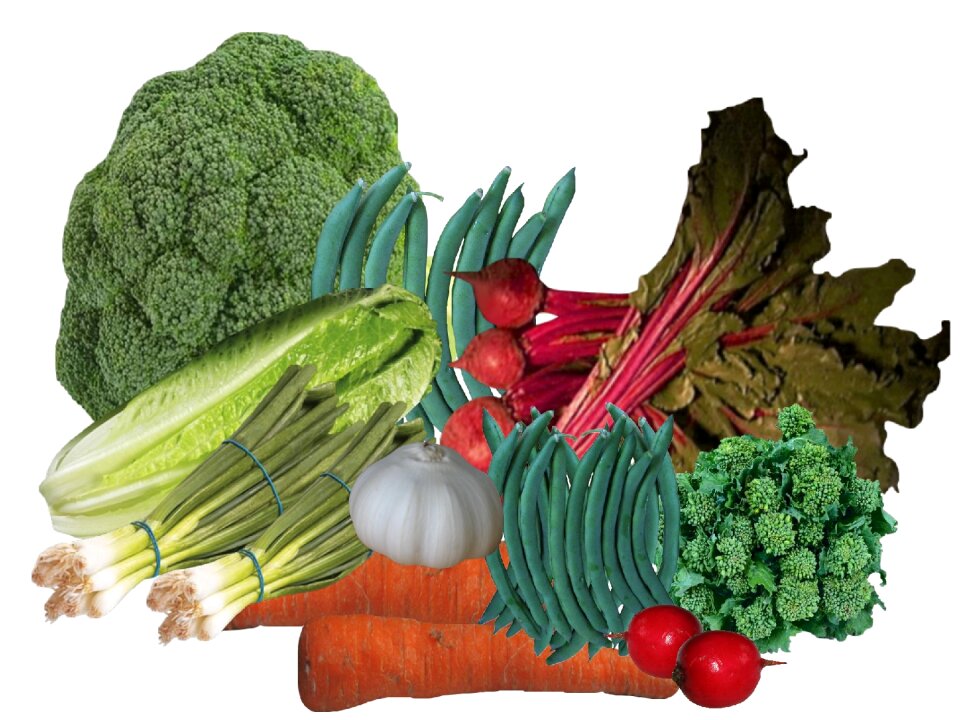
Naturali Idee Vantaggi
Naturali Idee Vantaggi are packed with essential nutrients and offer numerous health benefits. They focus on using what the environment provides to make things easier, healthier, and more sustainable. As awareness grows, more people seek ways to live that are kinder to the planet and easier on their wallets.
This interest isn’t just a trend but a real shift toward small, practical changes. From choosing eco friendly products to reducing waste, natural ideas offer clear benefits. They help save money, health, and the environment all at once.
In this post, you’ll see how these simple ideas can make a difference. We’ll look at how each one can fit into everyday routines and why they matter for a greener future.
Understanding Natural Ideas and Their Core Principles
Natural ideas are more than simple tricks they are rooted in the way nature works. They focus on using what the environment provides in a straightforward way. Unlike artificial solutions that rely on synthetic materials and complex machinery, natural ideas aim for ease, durability, and harmony with the world around us.
At their core, natural ideas follow three main principles:
- Simplicity keeps things easy to understand and use. It means avoiding complicated designs that break easily or require constant repairs. A basic example is using unpainted wood instead of painted or laminated surfaces. Simple designs often last longer because they have fewer parts that can break or wear out.
- Sustainability centers on protecting our resources. It involves choosing renewable materials that aren’t going to run out. For instance, planting trees for wood instead of mining metals or producing plastics heavily reliant on fossil fuels. The goal is to reduce pollution, waste, and energy use with every decision.
- Harmony with nature means living alongside the environment, not against it. It’s about creating solutions that fit into natural cycles, like composting food scraps or harvesting rainwater. This approach benefits communities by promoting healthier living and supporting local economies that grow from sustainable practices.
Comparing Natural Ideas to Synthetic Solutions
Most artificial or synthetic options rely on industrial processes. They often involve chemicals, heavy manufacturing, and energy consumption that can harm the environment. Think about plastic packaging that takes hundreds of years to break down or chemical cleaners that pollute water sources.
Natural ideas stand apart because they use time tested materials like wood, clay, stone, or plants. These materials are biodegradable, require less energy to produce, and often improve over time. Imagine a simple, natural clay pot that lasts longer and ages gracefully compared to a cheap plastic container that offers quick convenience but quickly breaks apart.
Examples that Show Core Principles in Action
- A wooden bench in a park is a natural idea. It’s sturdy, simple, and blends with the surroundings. It ages well and can be repaired easily, unlike metal or plastic options.
- Rain gardens use natural plants to soak up rainwater, preventing runoff and filtering pollutants. They work with nature’s cycle rather than against it.
- Cloth shopping bags made from natural fibers like cotton or jute reduce waste and avoid the pollution caused by disposable plastic bags.
Natural ideas remind us that solutions don’t have to be complicated to be effective. When we choose the simple, sustainable, and harmonious way, we help build a healthier world. It’s about working with what’s already there, not trying to replace it with something artificial. This way, we honor the balance that nature has maintained for thousands of years.
Advantages of Implementing Natural Ideas in Daily Life
Choosing natural ideas for everyday routines brings clear benefits. These simple solutions don’t just help the environment they improve your health, save money, and create a more sustainable way of living. When you decide to adopt natural habits, the positive effects spread across your life in many ways.
Health and Well Being Improvements
Natural ideas can boost both your physical health and mental state. Using organic foods means eating fewer chemicals and preservatives, which can lead to better digestion and overall wellness. Imagine waking up to fresh fruits and vegetables grown without pesticides your body thanks you every time you eat them.
Natural skincare products, free of synthetic fragrances or harsh chemicals, can be gentler on your skin. They help prevent irritation, redness, and dryness. Your skin absorbs what you put on it. Choosing natural options gives your skin the nourishment it needs without exposing it to unnecessary toxins.
Living in an eco friendly home offers mental peace. Using non toxic paints, natural insulation, and sustainable materials creates healthier indoor environments. You breathe easier, sleep better, and feel more relaxed knowing your home supports your well being.
Simple natural ideas also support a healthier mind. Spending time in nature reduces stress, sharpens focus, and boosts your mood. Walking in a park or tending your garden can refresh your spirit in ways synthetic environments never will.
Cost Effectiveness and Practical Savings
Many natural solutions aren’t just good for the planet they save money over time. This means more cash stays in your wallet, even as you live greener.
Switching to natural, reusable products like cloth bags, beeswax wraps for food, or glass containers reduces waste. While they might cost a little upfront, they last for years, saving you money on constantly buying replacements.
Natural solutions often lower utility bills, too. Installing rain barrels and harvesting rainwater cuts water costs. Using eco friendly insulation and energy efficient natural lighting reduces energy use. These small changes can lead to significant savings on bills month after month.
Maintenance costs come down as well. Natural materials like wood or stone tend to age better and last longer than synthetic alternatives. They’re easier to repair, and they don’t need frequent replacements. Switching to natural cleaning products means fewer chemicals wearing out appliances or polluting waterways, which can also cut repair costs later.
Environmental Impact Reduction
Choosing natural ideas decreases pollution and conserves resources. Using fewer synthetic products means less waste ending up in landfills or in our oceans. For example, replacing plastic packaging with compostable or reusable options helps reduce plastic pollution that can linger for centuries.
Natural homes and products also help lower energy consumption. Solar powered outdoor lights or natural ventilation reduce reliance on electricity. Fewer fossil fuels burned means cleaner air and less greenhouse gas released into the atmosphere.
Data shows eco friendly practices really work. Cities that promote green building techniques see reduced emissions and better air quality. Companies going natural in their packaging or sourcing report lower waste management costs and improved community health.
When communities adapt natural ideas, they often see benefits like cleaner parks, healthier rivers, and more wildlife. This is just the start of how making natural choices leads to a healthier planet. Every small step helps push us toward a world where nature and people thrive in balance.
Challenges and Misconceptions About Natural Ideas
Many people are drawn to natural solutions, but misconceptions and doubts often stand in the way. Some believe natural ideas are only for a select few or think they are too costly. Others worry they simply aren’t strong or reliable enough for everyday use. Recognizing these barriers can help clarify what’s really true about natural solutions and how they fit into everyday life.
Cost and Accessibility Concerns
A common misconception is that natural ideas are always expensive. This idea can scare people away from trying simple, eco friendly options. In reality, most natural solutions are affordable or can be made at home with little effort. For example, reusable cloth bags, natural cleaning ingredients like vinegar and baking soda, or planting herbs in your backyard rarely cost more than their synthetic counterparts.
Many natural products are available at local stores, making them easy to find. Bulk sections of supermarkets often sell dried herbs, grains, and other staples at a lower price. Community markets or farmers’ markets can be a goldmine for fresh, natural foods at better prices than pre packaged options.
It’s worth noting that you don’t need to buy everything new. Using what’s already around, like jars to store homemade cleaners, or repairing old furniture with natural oils, keeps costs low. Natural ideas can fit almost any budget, especially once you see how much money you save over time by reducing waste and avoiding costly replacements.
Effectiveness and Durability of Natural Solutions
Many people doubt natural options will last or work as well as synthetic ones. They imagine that natural cleaning sprays aren’t strong enough or that a wooden fence will rot too fast. These doubts are common but often unfounded.
Natural materials, when chosen wisely, can stand the test of time. For example, high quality hardwoods and naturally resistant woods like cedar or redwood resist rot and pests better than folks think. Natural cleaning solutions like vinegar or lemon juice are surprisingly effective at removing stains, mold, and bacteria when used correctly. They may require a little more effort or different techniques but deliver excellent results.
Some natural products become better with age, gaining character and strength. Wooden furniture, if treated with natural oils, can last decades and even improve with age. Natural clay bricks hold up well in tough weather, and well maintained rain gardens can function effectively for years.
Natural options are often more durable than many assume. They might need occasional upkeep, but they generally need replacing much less frequently than their synthetic peers. They are reliable, efficient, and can be just as long lasting with the right care.
Changing Perspectives and Adoption Barriers
Despite the benefits, many people resist change. Comfort with familiar habits and skepticism about new ideas prevent wider adoption. It seems easier to stick with what you know than to try something different. Some also worry about the time, effort, or skill needed to switch to natural methods.
To overcome this hesitation, start small. Try one natural change at a time, like switching to reusable shopping bags or natural cleaning products. Once you see how simple and effective they are, adopting more ideas becomes easier.
Being open to learning helps change perceptions. Find stories or examples of neighbors and friends who successfully use natural solutions. These real life experiences can inspire confidence and show that natural ideas work for everyone.
It’s also helpful to understand that natural solutions are adaptable. You don’t need to overhaul your life overnight. Small, consistent steps can make a difference. Think of it like planting seeds; with patience and care, they grow into strong, lasting change.
Wider acceptance increases when communities share tips and encourage each other. Groups focused on sustainability, local workshops, or online forums can provide support and motivation. When people see their neighbors making eco friendly choices, skepticism shifts into curiosity and then into action.
Natural ideas are not perfect or impossible. They are accessible, effective, and can become a natural part of life. Overcoming misconceptions starts with understanding, small steps, and trusting that nature has already provided many of the solutions we need.
Integrating Natural Ideas into Everyday Life
Incorporating natural ideas into daily routines doesn’t need to be overwhelming. Small, consistent steps build habits over time and make the switch easier. Think of it as planting seeds you water them regularly, and after a while, they grow into something lasting. You don’t have to change everything at once; simple swaps and routines add up. Here are practical ways to start this journey.
Practical Tips for Beginners
Starting with small, manageable changes can make a big difference. For instance, swap out harsh chemical cleaners for natural options like vinegar, baking soda, or lemon juice. These ingredients are cheap, safe, and effective for most cleaning tasks. Use them to scrub counters, clean dishes, or freshen up laundry.
Plantging a small garden can be another step. Even a few pots on a balcony or windowsill filled with herbs or vegetables adds a touch of nature to your daily routine. It helps you connect with the growing process and encourages healthier eating habits.
Choosing reusable items takes very little effort but offers long term benefits. Reusable shopping bags, cloth napkins, and beeswax wraps save money and reduce waste. Switch these in gradually. Once they become part of your routine, you’ll wonder how you ever did without them.
Cooking meals at home instead of relying on pre packaged foods is another easy move. Focus on fresh, whole ingredients. Over time, you’ll find that natural, unprocessed foods become second nature. This habit improves your health and cuts down on packaging waste.
Building a Natural Lifestyle Over Time
Change happens best when it’s gradual. Commit to one new habit at a time. Maybe start by replacing plastic bottles with a sturdy, reusable water container. Once that feels normal, add in natural cleaning routines or a small garden project.
Consistency is key. Every small step adds up. Little by little, natural ideas become part of your daily life without forcing change. You’ll find yourself naturally making more eco friendly decisions because they become routines.
Long term habits grow stronger when they are simple. Imagine switching your cleaning spray to vinegar and noticing how well it works without the chemical smell. Over time, your confidence grows, and natural choices feel just as convenient as the synthetic ones.
Living this way doesn’t mean perfection. It’s about making better choices whenever you can. Over months, these choices become second nature, and you’ll see tangible benefits. Your health, wallet, and the planet will thank you for all the small efforts.
Resources and Support for Adoption
Starting new habits is easier with a little help. Many organizations, blogs, and products make switching to natural ideas simpler and more accessible. Local farmers’ markets are a treasure for fresh, natural foods. Community gardens can give you a place to grow your own herbs or vegetables.
Online blogs and social media groups focus on eco friendly living. These real life stories and tips can inspire you and show that small changes matter. Look for groups that share tips on homemade cleaners, sustainable shopping, or gardening.
There are also brands dedicated to natural products. Brands offering organic skincare, reusable household items, or biodegradable packaging can be found online or in stores. Choose trusted options that fit your budget and lifestyle. Many provide guides and tutorials to help you make the switch smoothly.
Support can come from workshops in your community or local classes on composting or planting. Learning new skills makes it easier to stay committed. The more you see others living naturally, the more motivated you’ll be to keep going.
Remember, even the biggest changes start with just one step. Support is everywhere, waiting to help you turn small ideas into lasting habits. Naturally, the process of integrating these ideas becomes part of who you are, making your life healthier and more balanced.
Moving Toward a Natural Future
Every small step toward natural ideas adds up. It might seem like a tiny change at first. But each one of those choices builds a stronger, cleaner, and healthier world. Think of it as planting seeds once they grow, they shape a brighter future for everyone.
Why Natural Ideas Matter More Than Ever
Choosing simple, natural solutions means choosing to respect the earth. These ideas use resources wisely and reduce waste. They help slow down pollution and lessen the strain on our planet. Every time you opt for a reusable bag or fix a wooden fence instead of replacing it, you become part of that positive change.
Natural ideas also make life better on a personal level. They help you breathe cleaner air, eat healthier foods, and live without harmful chemicals. These small improvements brighten your days and build confidence in what you can do. They remind us that real change begins with everyday choices, not big overhauls.
Building Trust in Small Actions
It’s easy to feel overwhelmed by the size of global problems. But focusing on what you can control turns that weight into manageable steps. Trust in your ability to contribute. Each little action, like planting herbs or cutting plastic use, adds to a larger wave of change.
Small actions matter because they influence others. When you share your successes, others get inspired. You become a part of a community that values sustainability, one that encourages everyone to try. Your simple choices can start a ripple that reaches farther than you realize.
Believing in Positive Change
Change doesn’t happen overnight. It’s a slow process that begins with your choices. Believe in the power of those choices. Picture a future where clean air and healthy foods are the norm that future starts today with your small steps.
Natural ideas aren’t about perfection. They’re about doing what’s right with what’s available. Each time you choose natural, you build momentum. Over time, these moments turn into habits that shape your life and the world around you.
Every effort counts. You’re not just making your life better you’re pushing the whole world toward a cleaner, simpler way of living. Trust that your everyday actions matter, because they do. When enough people move in this direction, it creates a future where nature and people thrive side by side.