Moderni Metodi Utilizzi
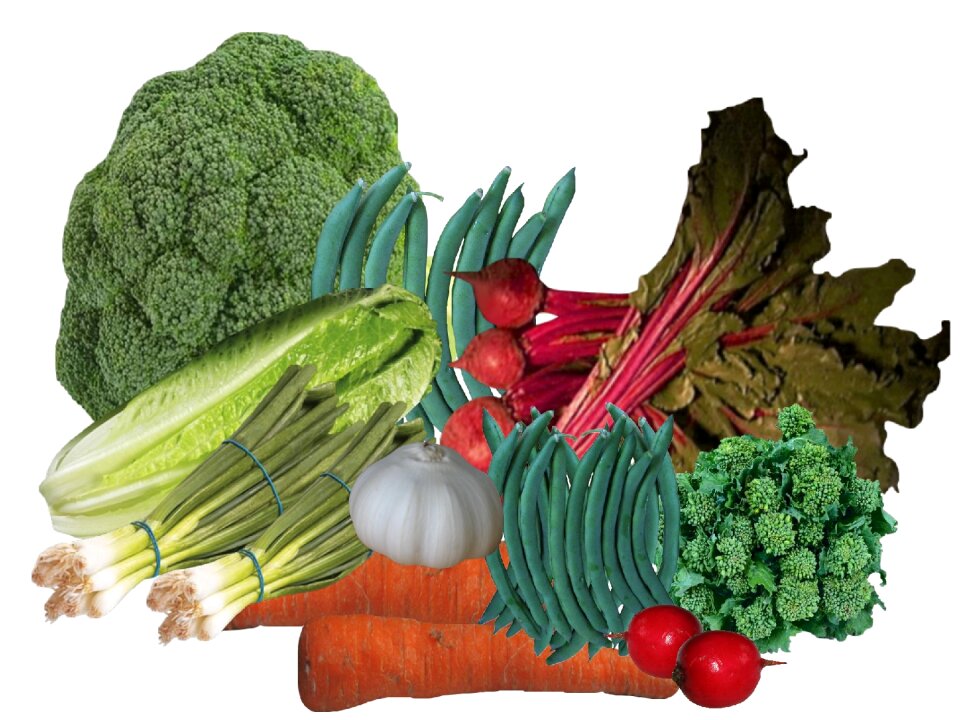
Moderni Metodi Utilizzi are packed with essential nutrients and offer numerous health benefits. They are reshaping industries and creating new opportunities for growth. From healthcare to manufacturing, these techniques drive faster results and better solutions.
In this post, you’ll see how new tools and strategies are changing the way work gets done. You’ll also learn why staying updated on these methods makes a real difference. Understanding their role helps teams innovate and improve efficiency in everyday tasks.
Technological Advances in Modern Methods
New technologies are transforming the way industries operate. They help us do things faster, more accurately, and with less effort. Let’s look at some of the key advances that are shaping modern methods across various fields.
Automation and Robotics
Automation and robotics are changing how work gets done. In factories, robots assemble products with incredible precision. They can work around the clock without losing focus or making mistakes. This speeds up production and reduces costs.
In healthcare, machines now perform routine tasks like tests or delivering medicines. They free up staff to focus on complex care that needs a human touch. Automation makes processes more consistent, which means fewer errors and higher quality results.
Other sectors see similar benefits. Banks use automated systems for processing transactions quickly. Farms use drones and automated machinery to monitor fields and plant crops efficiently. The main goal is to improve speed and accuracy while cutting down on manual work, freeing humans for tasks that require creative thinking.
Big Data and Analytics
Big data has opened new ways to understand what’s happening behind the scenes. Instead of guesswork, companies now gather massive amounts of information about customers, operations, and market trends. This data, when analyzed correctly, can reveal patterns and insights that help make smarter decisions.
Think of it as having a window into the future. Retailers can see buying habits to stock only what customers want. Hospitals analyze patient data to improve treatment plans and catch problems early. Even cities use data to plan better transportation routes or reduce energy use.
The power of data lies not only in collecting it but in understanding it. Advanced analytics transform raw numbers into clear reports. This helps decision makers act faster and customize services for each user, offering a more personalized experience.
Artificial Intelligence and Machine Learning
Artificial Intelligence (AI) and machine learning are truly reshaping the way we approach problems. AI can analyze complex data quickly and spot patterns humans might miss. It’s now used to predict outcomes, automate repetitive tasks, and even make decisions in real time.
In industries like logistics, AI predicts the best routes for deliveries, saving time and fuel. In customer service, chatbots handle simple inquiries, freeing agents for more complicated issues. Hospitals use AI for diagnosing diseases from scans and medical records, often delivering results faster and more accurately.
Machine learning takes this even further. These systems learn from new data, becoming better over time. This allows businesses to continuously improve their operations and adapt rapidly to changes. Instead of static rules, they develop models that grow smarter with experience.
Harnessing these advances takes the guesswork out of decision making. It introduces a level of precision and efficiency that was once impossible. The key is to understand how these tools complement human skills, creating a smarter way of working that benefits everyone.
Shifting Approaches in Work and Education
Recent changes in how we work and learn have reshaped everyday routines. These new methods break down traditional barriers and introduce more flexible, interactive ways to connect and grow. Instead of being tied to specific places or fixed schedules, many now have the chance to learn from anywhere or collaborate without physical boundaries. Here’s how these shifts are making a real difference.
Remote Work and Digital Collaboration Tools
Remote work has become a common part of daily life for many teams. Modern collaboration tools like video conferencing apps and cloud based platforms are much more than simple conveniences. They change the way people work together, often making team efforts more productive and inclusive.
Video calls offer a face to face experience, even when team members are miles apart. They foster spontaneous conversations and quick decision making that were harder to achieve in traditional setups. Cloud collaboration tools like Google Workspace or Microsoft 365 let teams work on the same documents at the same time, from different locations. This eliminates delays, reduces misunderstandings, and keeps everyone on the same page.
Tools like Slack or Microsoft Teams create constant communication lines. They act like virtual offices, allowing quick questions, updates, and sharing ideas without formal meetings. This setup promotes a sense of teamwork and transparency. It also enables more flexible schedules since employees can choose when to work, as long as they meet deadlines.
The impact of these tools goes beyond convenience. They boost productivity and often improve work quality by reducing the time wasted on back and forth emails or misunderstood instructions. As work moves away from physical offices, teams need to master new ways to stay connected, coordinated, and motivated.
E Learning and Virtual Classrooms
Education is no longer confined within classroom walls. Digital platforms now make learning accessible to anyone, anywhere. Features like live videos, interactive quizzes, and digital whiteboards turn passive watching into active participation.
Virtual classrooms connect students and teachers in real time, much like a traditional classroom but with added benefits. Students can attend from their home, a café, or even while traveling. This means education becomes more flexible and less tied to a single location or schedule.
Platforms like Zoom, Microsoft Teams, and specialized e learning tools like Moodle or Canvas support collaboration with group work, file sharing, and instant feedback. These features enhance engagement and help students learn actively. Instead of passive listening, learners become participants, asking questions, solving problems, and sharing ideas in real time.
The technology also opens doors for lifelong learning. Many platforms now offer courses, certifications, and workshops that are available on demand. These resources allow anyone to pick up new skills or refresh old ones at their own pace. Abstract concepts become easier to grasp when learners can revisit lessons whenever they need.
The shift towards online learning makes education more inclusive. It offers opportunities to people who might not have access otherwise. It caters to various learning styles and schedules, giving everyone a chance to grow when it suits them best.
Changing Skills and Training Methods
Workplaces are moving away from traditional, in person training sessions. Now, online certifications, micro credentials, and on demand courses take center stage. They are designed for quick, targeted learning that fits into busy schedules.
Micro credentials focus on specific skills, such as using new software or understanding a crucial process. These short programs can often be completed in a few hours or days, providing immediate value. They are ideal for employees who need to stay current in fast changing fields.
Online certifications are often more affordable and flexible than traditional degrees. Many companies see them as a way to quickly build capabilities within their teams. This shift makes ongoing learning part of everyday work rather than a separate, costly endeavor.
On demand training offers learners the chance to choose what to learn and when. Instead of waiting for scheduled classes, they can access videos, tutorials, and exercises at their own pace. This approach encourages a culture of continuous improvement and adaptability.
Overall, these new methods focus on practical skills that can be applied immediately. They promote lifelong learning, support career growth, and help businesses stay competitive. The traditional classroom is giving way to learning that is as flexible and fast moving as the world around us.
Sustainable and Eco Friendly Methods
As we look for new ways to grow and innovate, sustainability becomes more than just a goal. It’s a practical approach that benefits our planet while driving progress. Modern methods now focus on using resources responsibly, cutting down waste, and shifting toward energy sources that don’t harm the environment. Here’s how these approaches take shape.
Green Technologies and Renewable Resources
The shift from fossil fuels to clean, renewable energy is one of the biggest changes today. Solar panels soak up sunlight and turn it into power, making electricity in a way that leaves no smoke or pollution behind. Wind turbines stretch high into the sky, spinning with the breeze to generate energy. Both are now cheaper and more efficient, making them a real alternative to coal and gas.
Bioenergy offers another solution. It uses organic material like crop waste or wood chips to produce heat, power, or fuel. These resources are naturally replenished and produce fewer emissions. This means less damage to our air and water, while still providing energy for homes and industries.
Innovations don’t stop there. New battery technologies store energy made from renewables, so power is available even when the sun isn’t shining or the wind isn’t blowing. This flexibility helps communities rely more on green power and less on polluting sources.
The goal is clear: replace old, dirty energy sources with new ones that are endless and less harmful. These technologies reduce greenhouse gases and slow climate change. They help create a cleaner, healthier environment for everyone.
Smart Cities and Green Building Designs
City planning is changing. Modern urban areas are designed around sustainability. Smart cities use technology to cut energy waste and lower pollution. Sensors monitor everything from streetlights to traffic flows, adjusting systems in real time. This smart use of data means less energy is wasted on empty streets or unnecessary lighting.
Buildings also play a big role. Green designs focus on using less energy and water. Natural light and ventilation are prioritized. Solar panels are integrated into rooftops, turning buildings into energy producers. Using sustainable materials and adding insulation reduces the need for heating and cooling.
These strategies help cities breathe easier. They lower pollution levels, reduce energy bills, and make urban life healthier and more comfortable. Smart cities show us that technology can manage resources wisely without sacrificing growth or convenience.
Circular Economy and Waste Management Innovations
Waste is a big part of our footprint. Modern approaches turn waste into a resource rather than trash. The circular economy is about reusing, recycling, and repairing instead of throwing things away.
Many companies now design products with their entire life cycle in mind. They use materials that can be easily recycled or repurposed. When a product reaches the end of its life, it goes back into the system rather than landfills.
Innovations in waste management also focus on reducing waste at the source. Food waste is composted into fertilizer. Packaging is made from biodegradable materials that break down quickly in the environment. Electronics are designed for easy disassembly, so valuable parts can be reused.
Businesses adopting these methods see lower waste disposal costs and less environmental harm. They also set an example for consumers to rethink how they use and dispose of products. The goal is simple: create a system where waste becomes input for new resources instead of pollution.
These methods show a clear path forward. We can build a future that respects the planet, saves resources, and keeps economies moving all at once.
Using modern methods today is about more than just improving operations. It’s about building a smarter, cleaner way to work and grow. These techniques help us work faster, reduce waste, and protect the environment. They enable us to make better decisions based on real data and to solve problems with new tools.
Adopting these approaches isn’t optional. It’s essential for staying competitive and creating a sustainable future. The effort to incorporate current practices shows a commitment to innovation and responsibility. Every step forward is a move closer to a more efficient, healthier world.
Keep exploring these methods and consider how they can transform your work. The future belongs to those who use the best tools available. Thank you for joining this journey toward smarter, greener solutions. Your next move can shape the way forward.