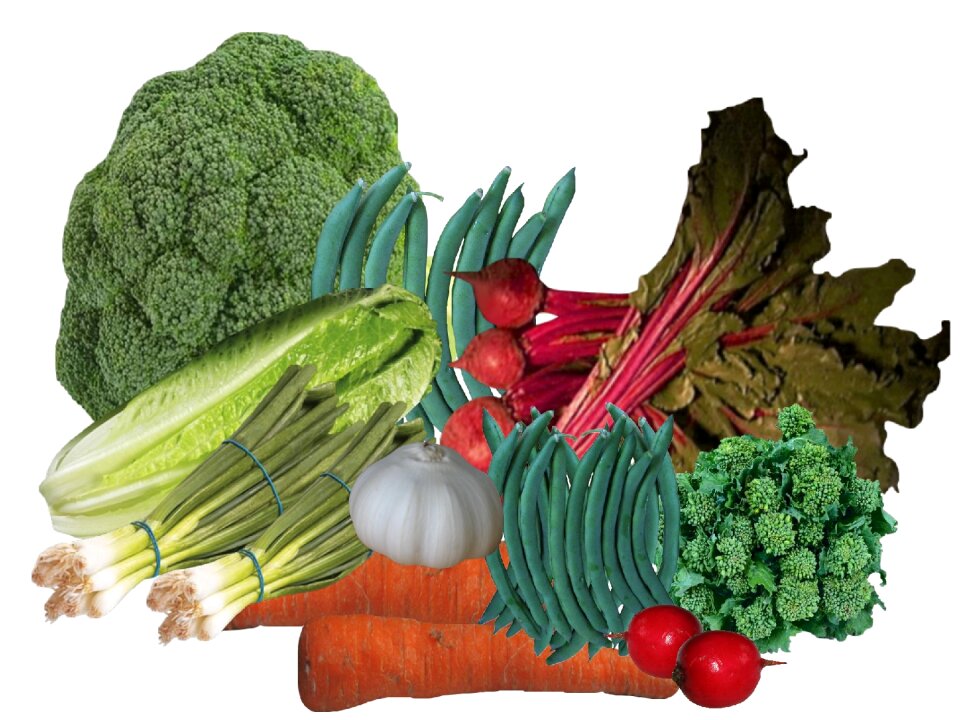
Moderni Aspetti Pratiche
Moderni Aspetti Pratiche are packed with essential nutrients and offer numerous health benefits. They reflect how industries and communities adapt to ongoing changes. Understanding these aspects helps us stay relevant and effective in today’s environment. This post highlights how current practices shape everyday actions and decisions for better results.
The Shift Toward Practical Innovation
As technology advances, our daily routines and work processes change faster than ever. Instead of waiting for big breakthroughs, we see innovation happening in small, practical steps that directly solve problems or make life simpler. This shift is reshaping how industries operate, how people work, and even how communities grow.
Adoption of Digital Tools in Daily Routines
Digital devices and apps are now part of everyday life, streamlining tasks across many fields. They help us manage our health, control our homes, and work remotely with greater ease. For example, health trackers monitor sleep and activity, providing insights that help people stay healthier daily. Smart home devices allow us to turn lights on, adjust thermostats, or lock doors with a simple tap or voice command.
In the workplace, remote work solutions keep teams connected no matter where they are. Video conferencing tools, shared calendars, and cloud storage make collaboration smooth. These tools aren’t just conveniences; they’ve become essential, changing how we think about physical offices and in person meetings. The goal is clear: integrate tools that save time, reduce effort, and improve outcomes.
Automation in Work Processes
Automation is no longer just a fancy feature; it’s a necessity for efficiency. It takes repetitive, manual tasks off human shoulders, freeing time for more meaningful work.
In manufacturing, robots and automated systems assemble products faster and more precisely than manual labor. Production lines operate with minimal human intervention, resulting in higher output and fewer errors. In customer service, chatbots answer common questions instantly, providing 24/7 support. These bots handle large volumes of inquiries, reducing wait times and improving customer satisfaction.
Data management benefits greatly from automation too. Systems automatically sort, analyze, and report data, giving companies quick insights without hours of manual work. This allows leaders to make decisions based on real time information, not outdated spreadsheets. The result is faster responses to market shifts and customer needs.
Innovative Approaches to Problem Solving
Creative thinking now drives many solutions that once seemed impossible. Approaches like design thinking focus on understanding real needs and testing ideas quickly. Instead of lengthy planning, teams build prototypes, test, learn, and improve fast. This rapid cycle keeps innovation practical and relevant.
Collaborative methods encourage diverse teams to share ideas openly. When different perspectives come together, fresh solutions emerge. For instance, cross functional groups often find new ways to improve products or processes faster than a single expert could.
Using these methods often means thinking outside the box. It involves trying ideas that may seem unorthodox but could unlock better outcomes. This way of working not only simplifies problem solving but also fuels ongoing improvement in real world settings.
This focus on practical innovation keeps industries flexible and responsive. By adopting smarter tools, automating routine work, and encouraging creative solutions, organizations can stay ahead of the curve. These small but smart steps bring meaningful change to everyday life and work.
Sustainable Practices in Modern Approaches
Sustainability is no longer a choice but a necessity in today’s world. Across industries, organizations are shifting their focus to practices that protect the environment and promote long term wellbeing. This change influences daily decisions, from the products we buy to the plans established for future growth. Bright ideas translate into habits that make a real difference. Here’s how sustainability shapes modern practices.
Eco Conscious Material Use
Using eco friendly materials has become a staple in many industries. Companies lean toward recycled products, biodegradable packaging, and materials that come from sustainable sources. These choices reduce waste and lessen the toll on natural resources.
Recycled products are reimagined into new items, thanks to innovations in waste processing. For example, plastics are melted down and reshaped into useful things like furniture or packaging. Biodegradable packaging replaces traditional plastics, breaking down naturally without polluting the environment.
Sustainable construction materials, such as bamboo or recycled steel, now dominate building projects. These materials consume less energy to produce and often have a longer lifespan. They encourage a shift away from resource heavy methods.
Seeing more businesses adopt these materials signals a move toward thoughtful consumption. Every product made with eco conscious materials contributes to a cleaner, greener future.
Energy Efficiency and Conservation
Reducing energy use is key to a sustainable future. Modern buildings are designed with efficiency in mind, using better insulation, smart lighting, and heating systems. These features cut down on waste and lower costs.
Transportation is also shifting. Electric vehicles and hybrid cars help reduce emissions from daily commutes. Many cities are investing in better public transit options, making it easier for people to choose a low impact way to get around.
Manufacturing plants are adopting cleaner energy sources like solar and wind power. These resources are on the rise because they produce electricity without polluting the air. The idea is simple: use less energy overall and replace dirty sources with clean ones.
Smart grids play a big role too. They balance demand and supply efficiently, ensuring energy is used wisely. This prevents waste and makes the entire power system more resilient.
By focusing on energy conservation, companies and communities work to lower carbon footprints. It’s about making smarter choices each day that add up over time into significant change.
Circular Economy and Waste Reduction
The concept of a circular economy centers on keeping resources in use for as long as possible. Instead of throwing things away after a single use, companies now design for reuse and longevity. This shift helps cut waste at its source.
Products are built with their entire lifecycle in mind. Many firms create items that can be easily repaired or repurposed. For example, furniture that can be disassembled and rebuilt or electronics designed for upgrades rather than replacement.
Recycling and upcycling are vital pieces of this puzzle. Upcycling transforms waste into higher value products old fabric into new clothing or used glass into decorative art. It’s a practical way to extend the life of materials that would otherwise end up in landfills.
Every day, more organizations are developing systems that reduce waste. Recycling centers, repair shops, and resale stores push the idea of reuse into everyday life. These efforts show how small actions, like reusing packaging or choosing durable goods, can make a big impact.
By thinking long term and designing with reuse in mind, industries lessen their reliance on raw materials. It’s a shift toward a cleaner, more responsible way of producing and consuming.
Sustainable practices now direct much of how companies approach their work. From eco friendly materials to smarter energy use and circular systems, these steps set a foundation for a more responsible future. They prove that positive change starts with everyday choices.
Modern Skill Development and Training Methods
As industries change, so do the ways people learn and grow their skills. Today’s methods focus on practical, hands on experiences that match real work demands. This shift makes training more relevant and effective, helping workers adapt faster.
Digital Learning Platforms and Courses
The rise of online learning platforms has reshaped how we pick up new skills. Now, anyone can access a wide range of courses without leaving their home. Massive Open Online Courses (MOOCs) open the door for large groups of learners to explore everything from coding to cooking. These platforms often offer free or affordable content created by top universities and institutions.
Webinars and virtual workshops provide real time interaction. They let learners hear from experts, ask questions, and participate in discussions. These sessions are flexible, allowing you to fit learning into busy schedules. Some platforms even give certificates of completion, giving learners a tangible proof of their new skills.
Online courses provide structure for those looking to learn step by step. They often include videos, quizzes, and practical assignments. No matter where you are, you can stay updated and develop new abilities with just a laptop and an internet connection.
Hands On Training and Experiential Learning
Learning becomes more meaningful when it involves actual practice. Hands on training deepens understanding by translating theory into action. It allows learners to test skills in real or simulated environments, making knowledge stick.
Apprenticeships combine work and study, giving learners direct experience. They work alongside experienced professionals, gaining skills while contributing to real projects. Workshops and boot camps offer focused, intensive practice on specific topics. For example, coding boot camps teach programming through projects that mimic actual work tasks.
Simulations create a controlled environment where learners face real world challenges. These can be virtual scenarios or physical mock ups. For instance, medical students might practice surgeries on simulators, preparing them for real patients. In fields like manufacturing or engineering, simulations allow testing of processes without risking safety or resources.
These methods turn passive learning into active engagement. They build confidence, sharpen problem solving skills, and ensure learners are ready to handle what they will face on the job.
Industry Driven Certification Programs
Many industries now rely on special badges and certificates to certify skills. These credentials prove that someone meets specific standards and is ready to perform certain tasks. They hold weight wherever professionals gather and help employers verify expertise.
In IT, certifications like Cisco or CompTIA validate skills in network management and cybersecurity. These programs usually include exams and practical assessments that ensure knowledge is current and applicable. Health professionals earn licenses and certificates that show their skills in patient care and safety. Trades like electrical work, plumbing, or carpentry often require industry specific licenses to work legally and safely.
These programs stay aligned with industry needs. They evolve to include the latest technologies and best practices. Earning a certification often involves a mix of coursework, hands on projects, and testing. As a result, workers gain recognition for their skills and open doors for new opportunities.
This trend toward certification reflects a focus on practical, job ready skills. It moves training beyond classroom theory and into the real world of work, where measurable competency makes all the difference.
Reflecting on Practical Progress
Staying current with practical approaches isn’t just about following trends. It’s about understanding that what works today might need adjusting tomorrow. Every step forward in applying recent methods shows us how flexible and adaptable we must be.
When we focus on real world results, we keep our work relevant and impactful. Small changes, like adopting a new tool or refining a process, add up over time. They can make daily tasks easier and boost overall productivity.
It’s helpful to pause and reflect on what you’ve learned. Ask yourself: Are my current practices aligned with what I’ve seen work? Are there new methods I could test? These questions push us to grow beyond comfort zones and keep improving.
Moving forward, consider ways to stay curious. Follow industry updates, join discussions, or take new courses. Growth happens when we make consistent efforts to learn and adapt. The goal is simple: always aim for better results through smarter, more practical actions.
Think of these steps as building blocks. Each one helps you construct a stronger foundation for future success. Keep your focus clear and your efforts steady. That’s how progress becomes a habit, not just a one time effort.