Naturali Caratteristiche Utilizzi L\’ambiente
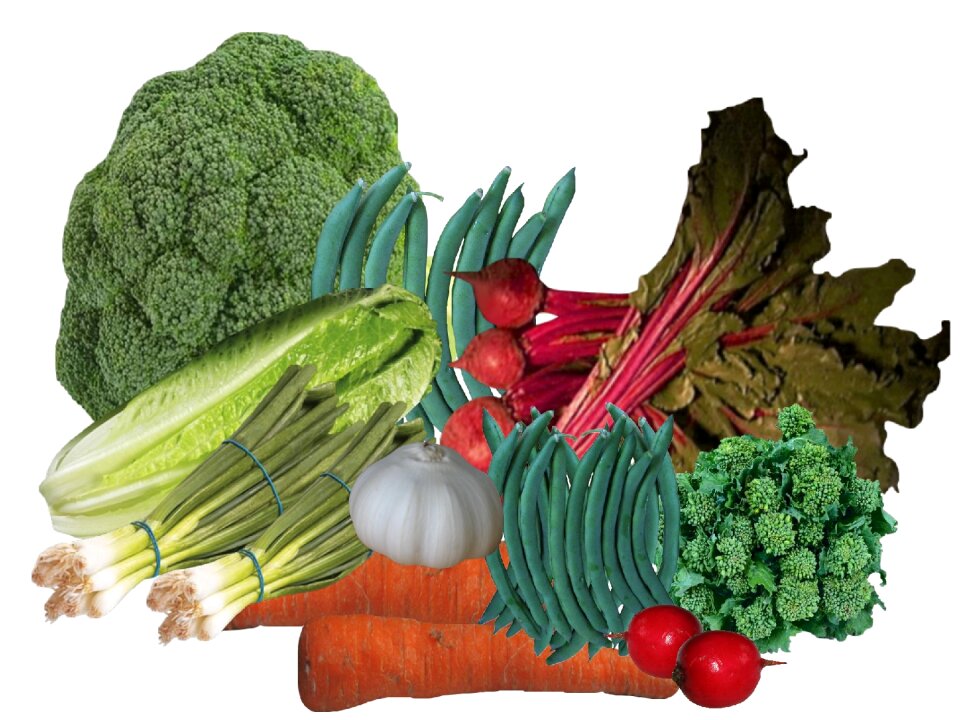
Naturali Caratteristiche Utilizzi L\’ambiente are packed with essential nutrients and offer numerous health benefits. They influence the air we breathe, the water we drink, and the land we walk on. Understanding these features helps us see how nature provides resources and opportunities for our daily lives.
This knowledge is key to using the environment wisely. It explains why certain plants grow better in some areas, why some minerals are worth mining, and how ecosystems support life. Recognizing these natural traits helps us protect what’s important and make better choices for the future.
The Basic Traits of Natural Environments
Natural environments are the places where Earth’s forces work in harmony. They are shaped by the elements soil, water, air, plants, and animals that constantly interact. These features create diverse ecosystems, each with its own balance and personality. Understanding these traits helps us see how nature supports life and why protecting it matters.
Soil and Its Composition
Soil forms the ground beneath our feet, but it is much more than dirt. It is a living mixture of minerals, organic matter, water, and air. There are different types of soil sandy, clay, loamy and each has unique features. Sandy soil is light and drains quickly. Clay soil is denser and holds water longer. Loamy soil has a good balance of everything, making it ideal for plants.
Soil supports plant roots, supplies nutrients, and influences what plants thrive where. In natural environments, soil varies with location. Rocky soils in mountains give way to rich, dark soils in valleys. This variation supports a wide array of plants, insects, and animals. When soil is healthy, ecosystems flourish. It’s the foundation for plant growth and the cycle of life itself.
Water Sources and Their Impact
Water is essential in shaping the world around us. Lakes, rivers, underground streams, and aquifers form the water sources that sustain ecosystems. Each plays a vital role in keeping land and life thriving.
Lakes serve as homes for aquatic life and water sources for plants and animals. Rivers carve valleys, shape coastlines, and help distribute nutrients. Underground water flows through soil and rock, feeding wells and springs. Its purity and mineral content matter greatly. Freshwater often contains minerals, which impact how plants grow and how animals survive.
Natural water sources also influence climate and weather patterns. A lake’s surface can cool the air around it, creating microclimates. Rivers can flood, depositing nutrient rich silt that supports fertile land. Without clean, accessible water, life slows down or ends.
Air Quality and Composition
Air is the invisible performer in this natural symphony. It surrounds us, carries life sustaining oxygen, and helps regulate the Earth’s temperature. Clean air is vital for all living things, from tiny insects to towering trees and humans.
Natural cycles keep air balanced. Plants absorb carbon dioxide and release oxygen through photosynthesis. Meanwhile, the atmosphere filters out some pollutants and keeps the balance of gases in check. In pristine environments, the air feels pure fresh, crisp, and free of pollutants.
Poor air quality, however, can harm health and weaken ecosystems. Particles, chemicals, and pollutants from human activity can settle into the air, choking off the clean cycle. This imbalance can lead to health problems, damage forests, and upset wildlife.
The air we breathe connects everything. It supports life, helps regulate climate, and reflects the health of the environment itself. When the air remains clear and balanced, nature can thrive and continue providing for all who depend on it.
Natural Resources and Their Uses
Humans have always found ways to use what nature provides. From the woods we build homes with to the water powering industries, natural resources are the foundation of our daily lives. While these resources support our well being, they also need to be used wisely. Overuse and waste can lead to shortages or damage that takes years to heal. Let’s look at how natural resources serve us and why managing them carefully matters.
Forests and Wood Products
Forests are among the most important natural features on Earth. They give us more than just a scenic view; they are vital for life itself. Forests absorb carbon dioxide, release oxygen, and help regulate the Earth’s climate. They also support countless species of animals and plants, keeping ecosystems balanced.
Humans rely heavily on forests for many materials. Timber is the most obvious, used in construction, furniture, and paper products. Trees provide raw material for paper, cardboard, and packaging. In many parts of the world, forests are the backbone of local economies, offering jobs and resources.
But forests are more than just sources of wood. They act as natural filters, cleaning the air and water. They prevent soil erosion and protect against floods. When we cut down trees, it’s essential to do so responsibly, ensuring new growth can replace what is lost. Sustainable forestry practices help keep forests healthy for future generations.
Water for Agriculture and Industry
Water is a resource everyone depends on, from farmers irrigating crops to factories producing goods. It is also key for generating power through hydroelectric plants. Freshwater influences nearly all aspects of human life and must be managed carefully.
Farming relies heavily on water to grow crops. Without enough water, harvests fall, prices rise, and food supplies become uncertain. Proper irrigation systems help use water efficiently, ensuring a steady flow to grow healthy plants. Industries also depend on water for processing, cooling machinery, and cleaning. Wastewater treatment prevents pollution from entering rivers and lakes.
Energy production through hydroelectric dams captures water’s energy. This form of renewable energy can power entire communities without burning fossil fuels. Still, draining too much water or altering rivers can disrupt ecosystems. Responsible management involves balancing water needs for human use with preserving natural flows for wildlife.
Mineral and Energy Resources
Beneath our feet and deep in the earth lie minerals and fuels that fuel modern life. These resources include metals like iron and copper, fossil fuels such as coal, oil, and natural gas. They drive industries, build infrastructure, and support everyday needs.
Mining and drilling extract these resources but must be done responsibly. Overextraction can scar the land, pollute water sources, and cause ecological harm. That’s why many seek sustainable methods, like recycling metals or using cleaner energy sources.
Renewable energy sources are gaining importance. Solar panels, wind turbines, and geothermal systems provide alternatives to fossil fuels. These sources offer energy without depleting resources or harming the environment. Transitioning to renewables helps reduce pollution and preserves nonrenewable resources for future use.
Managing natural resources with care is vital for sustainability. It means minimizing waste, recycling whenever possible, and investing in cleaner technologies. When we treat nature as a partner rather than just a resource, we ensure it continues to serve us without lasting harm.