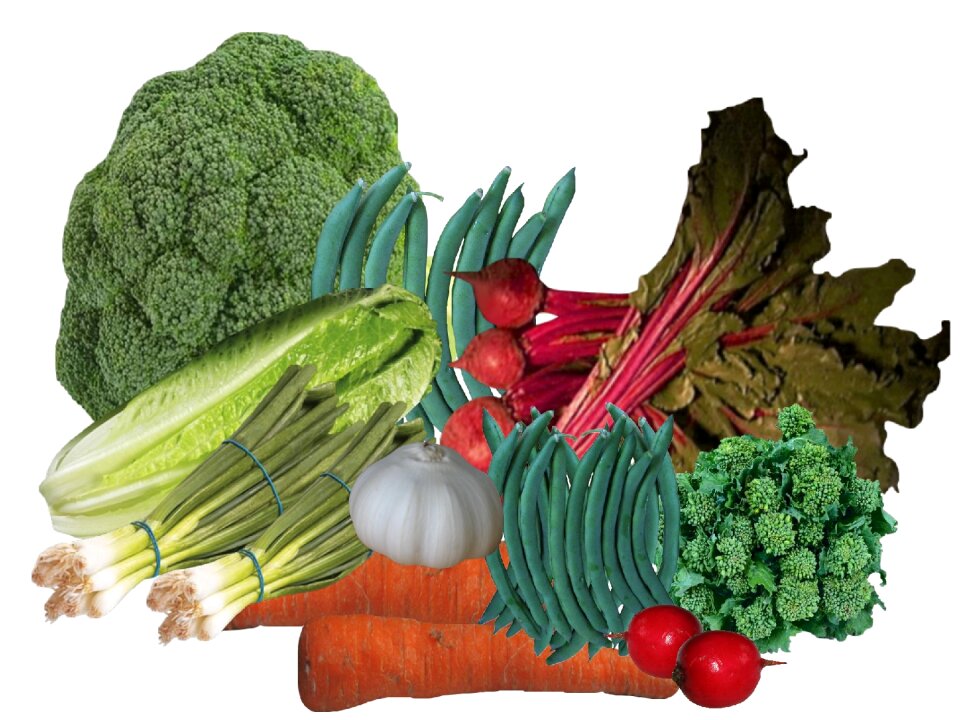
Innovativi Caratteristiche Benefici
Innovativi Caratteristiche Benefici are packed with essential nutrients and offer numerous health benefits. For many, a simple diet is the best way to improve health and feel better. But what exactly makes a diet simple? It’s about sticking to easy, practical choices that work for your life.
In this post, we’ll look at how a straightforward approach to eating can lead to real, lasting results. You’ll learn why simplicity matters and how focusing on clear, manageable steps can make a big difference. This isn’t about strict rules or fad diets it’s about making better choices that fit your everyday routine.
Understanding the Core Principles of a Simple Diet
A simple diet isn’t about strict rules or counting every calorie. It’s about clear, practical choices that make healthy eating easy to stick with long term. When you focus on the basics, eating well becomes less overwhelming and more of a natural part of your day. Let’s look at some core principles that keep a diet straightforward and effective.
The Basics of Clean Eating
Clean eating is about choosing foods that provide nourishment without unnecessary extras. Think fresh fruits, vegetables, whole grains, lean proteins, and healthy fats. These foods are close to how nature intended minimally processed and rich in nutrients.
By focusing on Whole foods instead of packaged snacks, you get better energy and feel more satisfied. You don’t need complicated mixes or trendy superfoods. Simple ingredients prepared well can turn into satisfying meals.
The goal isn’t perfection. It’s making better choices most of the time. Replacing chips with nuts or soda with water is a good start. Over time, these small shifts can add up to big health gains.
Importance of Portion Control
Even healthy foods can cause issues if eaten in huge amounts. Portion control means paying attention to serving sizes and not going overboard. Many tend to eat more than they realize, especially with larger plates or super sized portions.
Using smaller plates, measuring cups, or simply stopping when you feel full helps prevent overeating. Think of your plate like a pie chart: fill half with vegetables, a quarter with lean protein, and a quarter with grains or starchy vegetables. This ratio keeps your meals balanced without fuss.
Portion control isn’t about deprivation. It’s about respecting your body’s signals and feeding yourself enough to feel energized, not stuffed or sluggish.
Balancing Nutrients Without Overcomplicating
A simple diet doesn’t require complicated meal plans with dozens of ingredients. Instead, focus on balance. The goal is to include a mix of carbs, proteins, fats, and fiber in each meal. This keeps your energy steady and prevents cravings.
For example, pair chicken with roasted vegetables and a small serving of brown rice. Another time, enjoy eggs with spinach and avocado on whole grain toast. Basic combinations like these cover your bases without confusion.
Recall that variety matters. Different foods provide different nutrients. Rotating your staples keeps your diet interesting and your body well fed.
Avoiding Processed Foods and Excess Additives
Processed foods are quick and easy, but often loaded with unhealthy fats, sugars, and additives. These can lead to weight gain, fatigue, and long term health issues. Eliminating or reducing them keeps your diet simple and clean.
Instead of snacks packed with preservatives, choose plain nuts or fresh fruit. Read labels if you don’t recognize the ingredients, it might be best to skip it. Cooking from scratch is often easier than it sounds, and it gives you full control over what goes into your meals.
Focusing on whole foods means fewer chemicals and more natural flavors. This not only improves health but also helps you enjoy food more without the distraction of artificial tastes.
The Role of Hydration in Healthy Eating
Water is the foundation of a good diet. Proper hydration supports digestion, keeps your energy levels up, and flushes out toxins. Drinking enough water is one of the simplest steps you can take to improve your health.
Aim for about eight glasses a day, but listen to your body’s signals. If you’re thirsty, drink up. If you’re active or it’s hot outside, you’ll need more.
Avoid sugary drinks and sodas they bring empty calories and don’t satisfy your thirst. If plain water feels boring, add a slice of lemon, cucumber, or fresh herbs for flavor.
Staying hydrated helps you eat less because your body can sometimes mistake thirst for hunger. Keep water within reach and make it the go to choice every time you need a drink.
Steps to Adopt a Simple, Healthy Diet
Switching to a healthy, simple diet isn’t about strict rules or complicated plans. It’s about making small, manageable changes you can stick with. These steps can help you build habits that last and make eating healthy feel natural.
Setting Realistic Goals
Start by setting goals that fit your lifestyle and preferences. Aim for progress, not perfection. For example, if you usually skip vegetables, focus on adding one serving a day. Or, replace soda with water a few times a week. Clear goals give you a sense of direction and keep you motivated.
Avoid overwhelming yourself with too many changes at once. If your goal is to eat more whole foods, and you’re used to processed snacks, try swapping one snack a day. As those swaps become habits, gradually increase the number of healthier choices. Achieving small victories keeps you moving forward and helps build confidence.
Meal Planning Made Easy
Meal planning simplifies your week and removes guesswork. Spend a little time each weekend deciding what you will eat and preparing ingredients. Keep a list of simple recipes that you enjoy. Think about easy, nutritious meals like grilled chicken with steamed veggies or scrambled eggs with spinach.
Preparing ingredients in advance, like washing vegetables or cooking grains, makes cooking during the week faster. Having a few staples ready, like roasted chicken or cooked beans, saves time and reduces stress. You’ll find it easier to stick with your goals when you know what you’ll eat.
Choosing Whole Foods Over Convenience
Trade processed foods for whole, natural ingredients whenever possible. Store your kitchen with fresh fruits, vegetables, nuts, and lean proteins. When you shop, stick to the outer aisles of the store. These typically hold the whole foods you need.
Cooking from scratch is simpler than it sounds. Often, it’s just about combining a few ingredients that you already have. Whole foods don’t just taste better; they fill you up better and keep you energized longer. Making this switch reduces your intake of additives, sugars, and unhealthy fats.
It’s okay to keep some convenience foods on hand for busy days. Just choose options with shorter ingredient lists and fewer preservatives. Balance is key.
Mindful Eating Practices
Eating mindfully means paying full attention to your food and how it makes you feel. Sit down without distractions like TV or phones. Take your time eating, noticing flavors, textures, and smells.
Before you start your meal, think about your hunger level. Are you truly hungry or just bored? Eating slowly helps your brain catch up with your stomach and signals when you’re full. This prevents overeating and helps you enjoy your food more.
Notice your body’s cues and stop when you’re satisfied. Over time, mindful eating trains you to make better choices and appreciate your meals more.
Staying Consistent and Tracking Progress
Consistency is key to adopting a healthy diet. Make small changes that you can sustain for the long term. Track your progress in a journal or app. Record what you eat, how you feel, and any improvements you notice.
Seeing your progress keeps you motivated. Celebrate milestones like a week of healthy eating or trying new recipes. If you slip up, don’t get discouraged. Remember, setbacks are part of the process. Focus on getting back on track without guilt.
Staying consistent doesn’t mean perfection. It’s about creating a routine that fits your life and makes healthy choices second nature. Over time, these habits become automatic, leading to lasting health benefits.
Barriers and How to Overcome Them
Even with the simplest approach, sticking to a healthy diet can feel like hitting a wall sometimes. Life gets busy, temptations pop up, and the ideas of eating well can seem overwhelming. The key is understanding what holds you back and finding straightforward ways to push through.
Here are some common barriers and ways to break them down:
Dealing with Cravings and Temptations
Cravings can sneak up on you, especially when you’re used to comforting snacks or sweets. It might seem impossible to resist that bag of chips or slice of cake when your stomach grumbles. But cravings are often about habits, emotions, or blood sugar. The good news is, they can be managed.
Start by replacing high sugar or greasy foods with healthier options. If you crave something salty, try nuts or roasted chickpeas. For sugar cravings, fruit can satisfy your sweet tooth without the crash later. Keep healthy snacks handy so you don’t reach for quick, processed options.
Distracting yourself works, too. When a craving hits, step outside for a walk, pour a glass of water, or do something you enjoy. Often, cravings pass in a few minutes if you don’t feed them immediately. Remember, it’s about small victories. Saying no to temptation once or twice builds your confidence and makes it easier next time.
Managing Time for Healthy Cooking
Time can be your biggest hurdle. Between work, errands, or kids’ activities, cooking from scratch feels like a luxury you can’t afford. The truth is, simple meals don’t need hours of prep. The secret is in planning ahead.
Create a weekly plan. Pick recipes that are quick to make, with minimal ingredients. For example, grilled chicken salads or stir fries can be ready in under 20 minutes. Batch cook on weekends. Roast a batch of vegetables or cook a big pot of beans to use throughout the week.
Utilize ready to eat staples like pre washed greens or canned fish. These shortcuts save time and reduce stress. When you know what you’ll cook and have ingredients ready, eating healthy becomes just a matter of grabbing what’s on hand.
Social Challenges and Eating Out
Social events or dining out can make sticking to your diet tricky. It’s easy to feel out of place when everyone else is ordering pizza or dessert. The key is to plan ahead and stay confident in your choices.
Check menus online beforehand. Decide what healthy options you’ll order. Many restaurants now offer lighter versions or salads. Don’t be afraid to ask for substitutions or smaller portions. Sharing a dish or skipping bread is perfectly acceptable and saves you from overeating.
Bring your own healthy snacks if you’re unsure about available options. When dining with friends, focus on the company rather than what’s on the plate. Remember, you’re making choices that benefit your health, not winning a contest.
Finding Joy in Simple Eating
Eating healthy doesn’t mean giving up flavor or enjoyment. It’s about appreciating simple, real food that fuels your body. Instead of complicating your meals with dozens of ingredients, focus on fresh, wholesome foods that taste good on their own.
Learn to savor each bite, noticing textures and flavors. Fresh vegetables, ripe fruit, and well seasoned proteins can bring satisfaction without all the fuss. Experiment with herbs and spices to make your meals more interesting.
Find joy in the process. Preparing a colorful salad or roasting vegetables can become a calming, even fun, part of your day. When you enjoy what you eat, it’s easier to stick to good habits. Simple food, well made, can be a daily source of pleasure rather than a mundane chore.
Long Term Benefits of a Simple Diet
A simple diet isn’t just about quick fixes or short term results. When you stick to easy, straightforward eating habits, the benefits tend to stick with you for years. These habits build a foundation of health that keeps on giving, long after the initial change. Let’s explore how a simple approach to food impacts your life over time.
Improved Energy and Mood
Eating simple, wholesome foods can make a noticeable difference in how you feel each day. When your body is fueled by unprocessed ingredients fruits, vegetables, lean proteins you notice a steadier energy level. Unlike processed snacks that cause sugar crashes, whole foods provide a slow, consistent release of energy.
Your mood also benefits from this approach. Junk foods often spike your blood sugar, then leave you feeling tired and irritable. Switching to a simple diet helps stabilize those levels, keeping you calmer and more focused. It’s like giving your brain gentle fuel, not volatile fuel that causes ups and downs.
Over time, you’ll find yourself feeling less anxious and more centered. This mental clarity boosts motivation and makes it easier to stick with healthy habits. When your body and mind are both in balance, life feels a lot easier to manage.
Better Weight Management
One of the clearest benefits of a simple diet is easier control over your weight. You’re likely to naturally eat less of the high calorie, processed foods that tend to cause weight gain. Whole foods are more filling, so you eat fewer chips, cookies, or sugary drinks.
Avoiding overeating means your body stays in a healthy range without constant calorie counting or restrictive dieting. Small, consistent changes like choosing a fruit instead of a pastry add up over months and years. It’s not about depriving yourself but about making smarter choices every day.
For many people, this leads to steady, sustainable weight loss. Others find it easier to maintain their current weight without the rollercoaster of yo yo dieting. The beauty of a simple diet is that it creates a natural balance, making weight management an easier part of everyday life.
Reduced Risk of Chronic Diseases
Long term, eating simply can significantly lower your chances of developing serious health problems. Conditions like type 2 diabetes, high blood pressure, and heart disease are often linked to poor diets filled with processed foods and added sugars.
Choosing whole, nutrient dense foods helps protect your body. Fruits, vegetables, lean meats, nuts, and whole grains promote healthier blood pressure, better cholesterol levels, and improved insulin sensitivity. Eating clean means fewer toxins and chemicals accumulating in your system over time.
These habits don’t just prevent disease; they may even slow down aging. When your body gets the nutrients it truly needs, it works better for longer. The long term health dividends make simple eating an investment in your future well being.
Sustainable Eating Habits for Life
A simple diet creates habits that last a lifetime. Unlike fad diets or complicated meal plans that rely on strict rules, simplicity encourages consistency. When your meals are uncomplicated and familiar, you’re more likely to stick with them through busy days and life changes.
Eating this way often reduces stress around food. You don’t need to count every calorie or follow restrictive guidelines. Instead, you develop a mindset of balance and moderation. Over time, making good choices becomes second nature.
This approach also makes eating healthier more enjoyable. Preparing and eating real foods tends to be more satisfying than endless meal replacements or processed snacks. You learn to trust your body’s signals and find joy in fresh, simple flavors.
By sticking to straightforward choices, you create a flexible, resilient way of living that doesn’t depend on perfection. This sustainability means your health improves gradually, but consistently, through the years. It’s about creating habits that feel natural and supportive, no matter what your schedule or circumstances are.
A simple diet lasts because it fits into everyday life. It focuses on real foods, balanced portions, and mindful choices. These habits support long term health without the stress of complicated rules or counting every calorie.
Choosing whole foods, controlling portions, and staying hydrated make a big difference over time. Small, consistent steps lead to more energy, better mood, and a stronger body. This approach is easy to maintain, even on busy days.
Taking the time to plan, eat mindfully, and simplify your meals builds a healthy foundation that sticks. Many benefits come with sticking to simple eating better weight control, reduced risk of disease, and lasting well being. Keep moving forward by trusting the process. Your healthier future starts with just a few smart choices today.